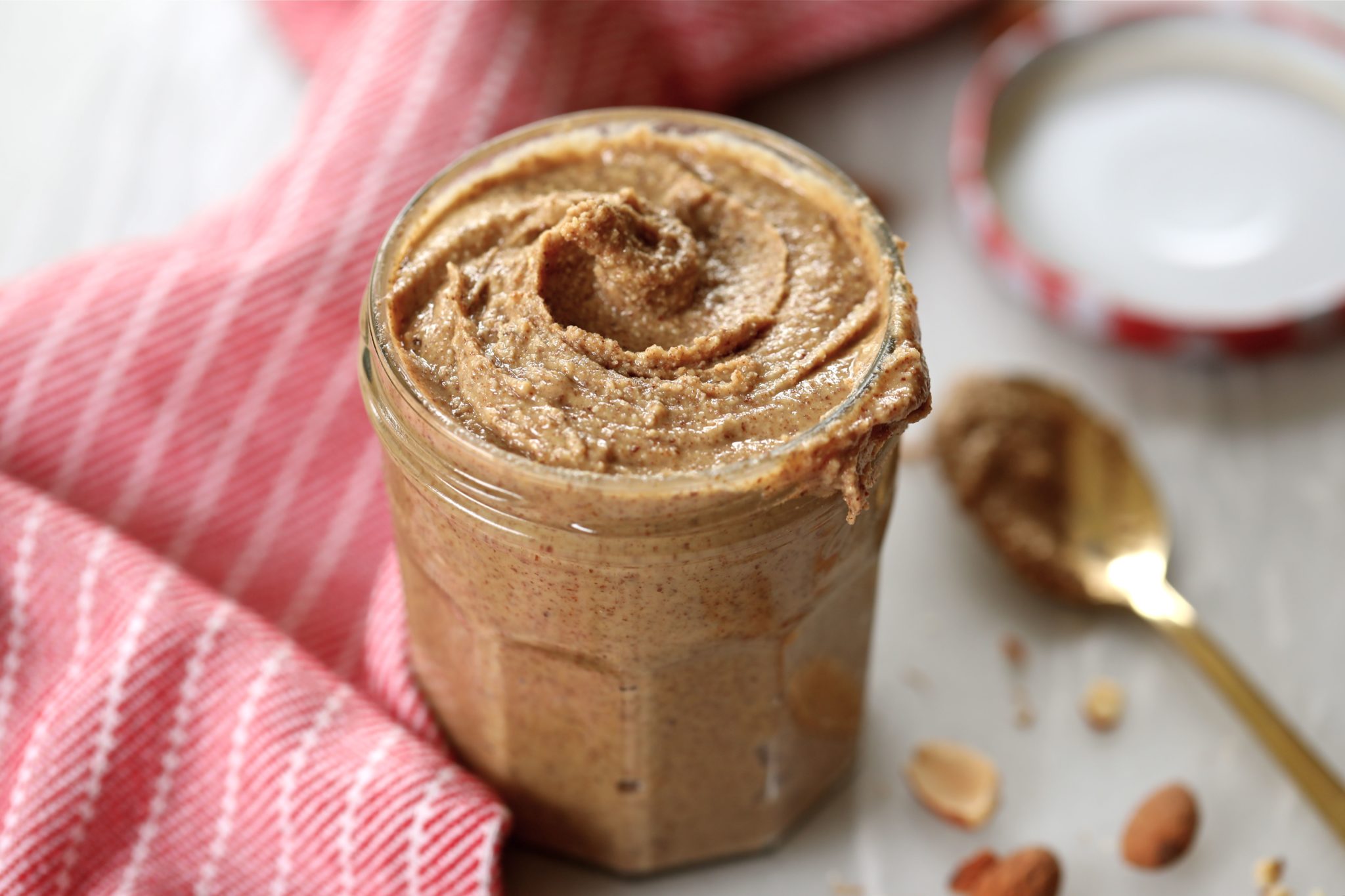
Almond Butter: A Nutty Delight for a Healthier You
In recent years, almond butter has gained immense popularity as a nutritious and delicious alternative to traditional peanut butter. Made from ground almonds, this creamy spread is not only packed with flavor but also boasts an array of health benefits. Whether you’re looking to enhance your overall well-being or simply add some variety to your diet, almond butter is an excellent choice that can be enjoyed in countless ways.
Nutritional Powerhouse
One of the primary reasons almond butter has become a staple in many households is its impressive nutritional profile. Almonds themselves are known for their high content of healthy fats, protein, fiber, vitamins, and minerals – all of which are preserved in the process of making almond butter.
Healthy Fats: Almond butter contains monounsaturated fats that have been linked to heart health by helping reduce bad cholesterol levels. These good fats also promote satiety and can aid in weight management when consumed as part of a balanced diet.
Protein: For those following vegetarian or vegan diets or seeking alternative protein sources, almond butter can play an important role. With around 6 grams of protein per serving (2 tablespoons), it contributes significantly towards meeting daily protein requirements.
Fiber: Just two tablespoons of almond butter provide roughly 3 grams of dietary fiber. A high-fiber diet aids digestion, promotes feelings of fullness, and supports stable blood sugar levels.
Vitamins and Minerals: Almond butter is rich in vitamin E, which acts as a powerful antioxidant protecting cells from damage caused by free radicals. Additionally, it contains essential minerals like magnesium and potassium that contribute to various bodily functions such as nerve function and bone health.
Heart Health Benefits
Numerous studies suggest that including almonds or almond products like almond butter in your diet may help improve heart health markers:
1. Cholesterol Management: The monounsaturated fats found abundantly in almonds have been shown to help lower LDL (bad) cholesterol levels while maintaining or increasing HDL (good) cholesterol levels. This balance is crucial for reducing the risk of heart disease.
2. Blood Pressure Regulation: Almonds are naturally low in sodium and high in potassium, a mineral that helps regulate blood pressure. Including almond butter as part of a balanced diet can contribute to maintaining healthy blood pressure levels.
3. Antioxidant Protection: The vitamin E content in almond butter acts as an antioxidant, preventing oxidation of LDL cholesterol particles – a key factor in the development of plaque within arteries.
Weight Management Aid
Contrary to popular belief, incorporating almond butter into your diet may actually support weight management efforts rather than hinder them:
1. Satiety and Portion Control: The combination of protein, healthy fats, and fiber found in almond butter promotes feelings of fullness and satisfaction after eating. This can prevent overeating and unnecessary snacking between meals.
2. Stable Blood Sugar Levels: With its low glycemic index score, almond butter causes a slower rise in blood sugar compared to other spreads or snacks loaded with refined sugars. Consequently, it helps maintain steady energy levels throughout the day and curbs cravings for sugary treats.
Versatile Culinary Companion
Beyond its nutritional benefits, one of the most appealing aspects of almond butter is its versatility in both sweet and savory recipes:
1. Spread it on Toast or Rice Cakes: Swap your regular morning toast spread with almond butter for a delightful nutty flavor packed with nutrients.
2. Blend it Into Smoothies: Add a spoonful or two of almond butter to your favorite smoothie recipe for added creaminess and richness along with an extra boost of protein and good fats.
3. Use it as a Dip: Almond butter makes an excellent dip for apple slices, carrot sticks, or celery stalks – providing you with essential nutrients while satisfying your snack cravings.
4. Bake with Almond Butter: Replace traditional butter or oil in baking recipes with almond butter for a healthier twist. It adds moisture, richness, and a subtle nuttiness to cookies, muffins, and energy bars.
5. Stir it Into Oatmeal or Yogurt: Elevate the taste and nutritional value of your morning oats or yogurt by mixing in some almond butter. The combination will provide you with sustained energy throughout the day.
Choosing Quality Almond Butter
As with any food product, not all almond butters are created equal. When shopping for this delicious spread, consider these factors:
1. Ingredient List: Opt for almond butter without added sugars or hydrogenated oils. Ideally, the ingredient list should only contain almonds (and possibly salt).
2. Organic Options: Choosing organic almond butter ensures that you avoid potential exposure to pesticides commonly used on conventionally grown almonds.
3. Natural vs. Roasted: Natural almond butter is made from raw almonds while roasted versions have a more intense flavor profile due to roasting before grinding. Both options have their merits; it depends on personal preference.
4. Texture Preference: Some brands offer smooth and creamy almond butters while others may be slightly crunchy due to small bits of ground almonds left intact.
In conclusion, adding almond butter to your diet can bring numerous benefits – from improved heart health to better weight management – all while delighting your taste buds with its rich flavor and versatility in recipes. So go ahead and give this nutty delight a try; your body will thank you!

Leave a Reply