In recent years, there has been a growing awareness and concern about the impact of our food choices on the environment. As individuals become more conscious of their carbon footprint, they are increasingly opting for sustainable food options and eco-friendly packaging. These choices not only benefit the planet but also contribute to personal well-being.
One of the key aspects of sustainable eating is choosing foods that have been produced in an environmentally friendly manner. This means opting for organic produce whenever possible. Unlike conventionally grown crops, organic farming methods do not rely on synthetic fertilizers or pesticides that can harm ecosystems and contaminate water sources.
Furthermore, organic agriculture promotes biodiversity by preserving natural habitats and supporting wildlife populations. By choosing organic fruits and vegetables, consumers support farmers who prioritize soil health and employ techniques such as crop rotation and composting to maintain fertility naturally.
Another important consideration when it comes to sustainable food choices is reducing meat consumption. The production of meat contributes significantly to greenhouse gas emissions, deforestation, and water pollution. Livestock farming requires vast amounts of land for grazing or growing animal feed crops like soybeans or corn.
Moreover, raising animals for food consumes a substantial amount of resources like water and energy while producing significant amounts of waste. By adopting plant-based diets or incorporating more vegetarian meals into our routine, we can reduce our ecological footprint considerably.
However, it’s worth noting that not all plant-based foods are equally sustainable. For instance, some tropical fruits like avocados or pineapples may have a high carbon footprint due to long-distance transportation from their countries of origin. Therefore, it’s essential to consider both the environmental impact and nutritional value when making food choices.
When selecting packaged foods with sustainability in mind, one should focus on eco-friendly packaging alternatives that minimize plastic waste generation. Single-use plastics are among the most detrimental materials polluting our oceans and harming marine life.
Fortunately, many companies are now offering innovative solutions such as compostable or biodegradable packaging made from renewable resources like plant-based materials. These alternatives break down naturally and have a lower carbon footprint compared to traditional plastic packaging.
Another eco-friendly option gaining popularity is reusable packaging. Some grocery stores allow customers to bring their own containers for purchasing bulk items, reducing the need for disposable packaging altogether. This approach not only reduces waste but also encourages mindful consumption, as it forces individuals to consider the quantity of food they actually need.
In addition to sustainable food choices and eco-friendly packaging, minimizing food waste is crucial in our efforts towards a more sustainable future. According to the Food and Agriculture Organization (FAO), approximately one-third of all food produced globally goes to waste.
To combat this issue, individuals can practice smarter shopping by planning meals ahead and buying only what they will consume. Additionally, embracing leftovers and using them creatively in new dishes helps reduce unnecessary waste.
Composting is another effective way to divert organic waste from landfills while also creating nutrient-rich soil for gardens or potted plants. By composting fruit peels, vegetable scraps, coffee grounds, and other organic matter at home or through community programs, we can significantly reduce methane emissions from decomposing food waste in landfills.
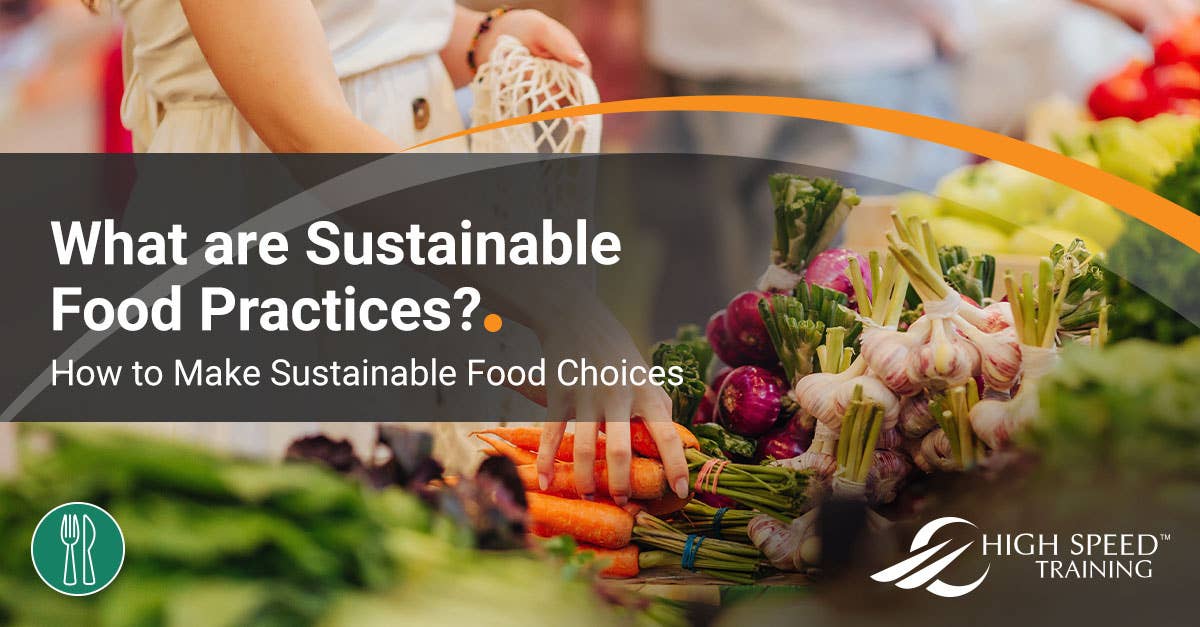
Lastly, supporting local farmers markets is an excellent way to contribute to sustainability efforts within your community. Locally sourced foods require less transportation than those shipped over long distances, which means fewer greenhouse gas emissions associated with transportation fuel.
Moreover, by shopping directly from local farmers who use sustainable farming practices like crop rotation or agroforestry systems that promote biodiversity and soil health while minimizing chemical inputs – consumers can ensure that their purchases align with their values.
In conclusion, making sustainable food choices and opting for eco-friendly packaging options are essential steps towards protecting our planet’s resources while maintaining personal well-being. By prioritizing organic produce when possible, reducing meat consumption through plant-based diets or vegetarian meals, selecting foods with low carbon footprints, and supporting local farmers’ markets, we can all play a role in building a sustainable future. Additionally, embracing eco-friendly packaging alternatives and minimizing food waste through smart shopping and composting are valuable contributions to reducing our environmental impact. Together, these choices can make a significant difference in preserving the health of our planet for future generations.

Leave a Reply