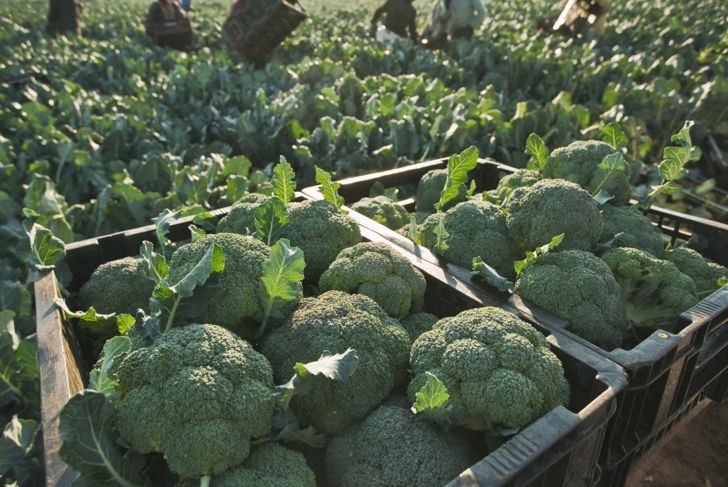
Growing Broccoli at Home: A Guide to Fresh and Nutritious Harvests
Introduction:
Broccoli is a nutrient-packed vegetable that is not only delicious but also offers numerous health benefits. Known for its high content of vitamins, minerals, and antioxidants, broccoli has become a popular choice for those who prioritize healthy eating. While it’s readily available in grocery stores year-round, growing your own broccoli at home can be an enjoyable and rewarding experience. In this guide, we will explore the steps required to successfully cultivate broccoli in your own backyard or even indoors.
Benefits of Growing Broccoli at Home:
1. Freshness: When you grow your own broccoli, you have access to the freshest produce possible. Store-bought vegetables may lose some of their nutritional value during transportation and storage, but by harvesting straight from your garden or indoor containers, you can ensure maximum freshness and taste.
2. Organic Control: By growing your own broccoli, you gain control over how it is cultivated. You have the option to avoid pesticides and chemical fertilizers if you choose organic gardening methods. This allows you to enjoy truly healthy greens without any concerns about harmful residues.
3. Cost Efficiency: Growing broccoli yourself can be cost-effective in the long run since store-bought organic options tend to be quite expensive compared to conventionally grown ones. With proper care and maintenance, a single plant can yield multiple harvests throughout its lifetime.
Getting Started:
1. Climate Considerations:
– Broccoli thrives in cool weather conditions with temperatures between 60°F (15°C) and 70°F (21°C).
– If you live in an area with mild winters or cool summers, such as Zones 3-10 in the United States Department of Agriculture (USDA) Plant Hardiness Zone Map, outdoor cultivation should work well.
– For regions with less forgiving climates or limited space like apartments or urban areas, indoor gardening using containers or hydroponics can be a great alternative.
2. Choosing the Right Varieties:
– There are numerous broccoli varieties available, each with its own unique characteristics.
– Common types include Calabrese, Romanesco, and Purple Sprouting broccoli.
– Consider factors such as maturity time, size of the head, and overall plant size when selecting a variety that suits your needs.
3. Soil Preparation:
– Broccoli prefers well-draining soil rich in organic matter.
– Prepare your garden bed by removing any weeds and loosening the soil to a depth of 12-15 inches (30-38 cm).
– Mix in compost or aged manure to improve soil fertility and drainage.
4. Starting from Seeds:
Indoor Seed Starting:
– Start seeds indoors about 6-8 weeks before the last expected frost date in your area.
– Use seed trays or small containers filled with seed-starting mix. Plant seeds at a depth of ¼ inch (0.6 cm) and keep them moist until germination occurs.
– Once seedlings have developed their second set of true leaves, they can be transplanted into larger pots or outdoor beds.
Outdoor Sowing:
– In regions where winters are mild, you can sow broccoli seeds directly into prepared garden beds after the danger of frost has passed.
– Sow seeds ½ inch (1.25 cm) deep and space them approximately 18 inches (46 cm) apart to allow for proper growth.
5. Transplanting Seedlings:
Indoor Transplantation:
– When transplanting indoor-grown seedlings outdoors, ensure that all risk of frost has passed in your region.
– Harden off young plants gradually over several days by exposing them to outdoor conditions for increasing durations each day.
– Dig holes slightly larger than the root ball’s size and gently place seedlings in the ground, ensuring the crown is level with the soil surface.
Outdoor Transplantation:
– If you have sown seeds directly outdoors, you will need to thin out excess seedlings to provide adequate space for each plant.
– When plants reach 4-6 inches (10-15 cm) tall, carefully remove weaker seedlings, leaving only the healthiest ones spaced according to variety recommendations.
Caring for Your Broccoli Plants:
1. Watering:
– Broccoli requires consistent moisture throughout its growing season.
– Aim to keep the soil evenly moist but not waterlogged.
– Use mulch around plants to help retain moisture and prevent weed growth.
2. Fertilization:
– Prioritize nutrient-rich soil by incorporating compost or well-balanced organic fertilizers before planting.
– Additionally, side-dress your broccoli plants with compost or a slow-release organic fertilizer midway through their growth period.
3. Pest and Disease Management:
– Broccoli can be susceptible to certain pests like cabbage worms, aphids, and flea beetles.
– Attract beneficial insects such as ladybugs and lacewings by planting companion flowers like marigolds or dill nearby.
– Regularly inspect your plants for signs of infestation and treat affected areas promptly using organic pest control methods if necessary.
Harvesting and Storage:
1. Harvest Time:
– The time it takes for broccoli heads to mature depends on various factors including variety, weather conditions, and cultivation practices.
– Most varieties take around 60-85 days from transplanting for their main heads to develop fully.
– Harvest when the head is compact and firm before any yellow flowers appear.
2. Cutting Technique:
– To harvest broccoli heads, use a sharp knife or shears to cut just below the head where it attaches to the stalk.
– Leave several inches of stem attached to the plant to encourage side shoots for additional harvests.
3. Storage and Preservation:
– Freshly harvested broccoli can be refrigerated in a plastic bag or container for up to a week.
– For longer-term storage, consider blanching and freezing florets. This process helps preserve their color, flavor, and nutritional value.
Conclusion:
Growing your own broccoli at home allows you to enjoy the freshest produce while maintaining control over cultivation methods. By following the steps outlined above, you can successfully cultivate this nutrient-packed vegetable in your backyard or even indoors. With proper care and attention, you’ll soon be enjoying homegrown broccoli that is not only delicious but also packed with essential vitamins and antioxidants for a healthy diet. So why wait? Start your own broccoli garden today!

Leave a Reply