Prebiotics: Nourishing Your Gut for Optimal Health
Introduction:
In recent years, there has been a growing interest in gut health and its impact on overall well-being. Research has shown that the trillions of bacteria residing in our digestive system play a crucial role in maintaining good health. These beneficial bacteria, collectively known as the gut microbiota, aid digestion, support the immune system, synthesize vitamins, and even influence mental health.
To keep our gut microbiota thriving, it’s important to provide them with the right nourishment. This is where prebiotics come into play. In this case study post, we will explore what prebiotics are, how they work in conjunction with probiotics, their potential health benefits, and some delicious ways to incorporate them into your diet.
Understanding Prebiotics:
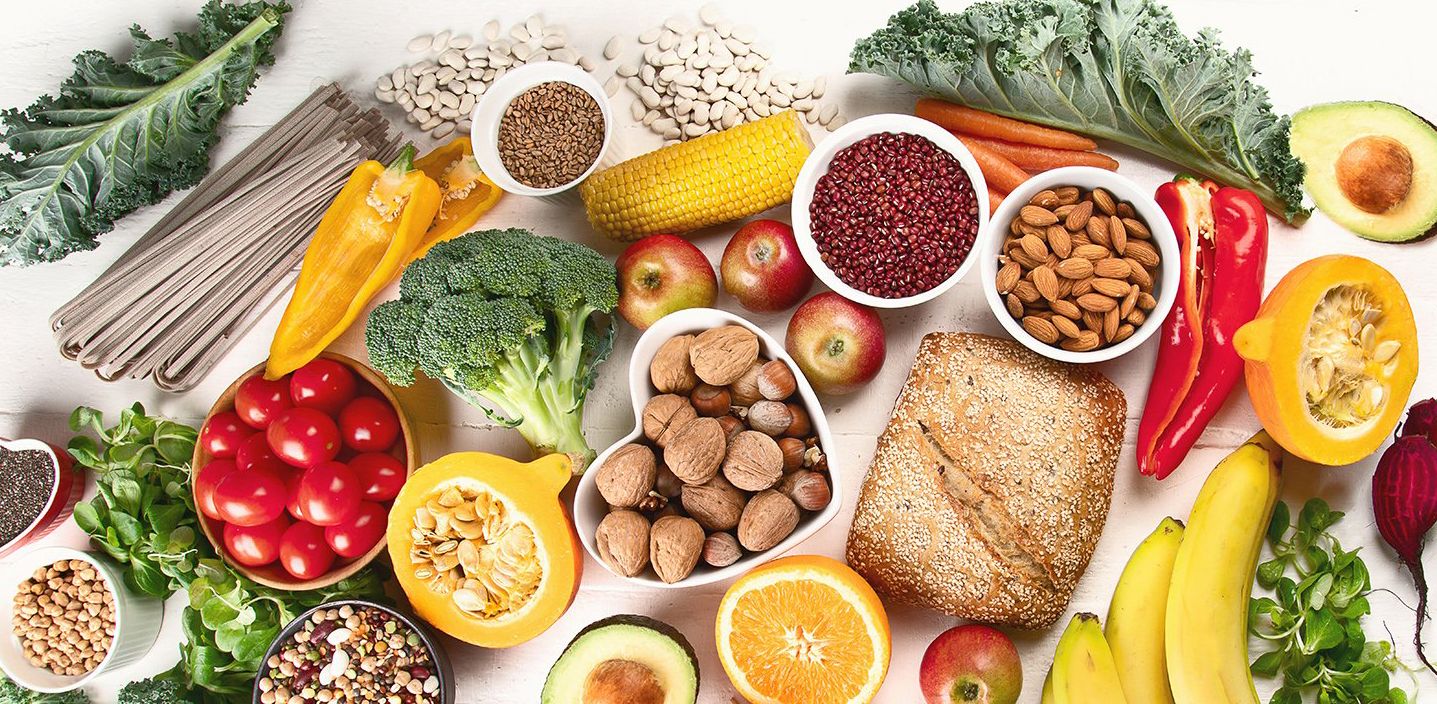
Prebiotics are non-digestible fibers found mainly in certain fruits, vegetables, whole grains, and legumes. They act as food for the beneficial bacteria living in our intestines. Unlike probiotics (live microorganisms), prebiotics themselves are not alive but serve as sustenance for these friendly microbes.
The most well-known type of prebiotic is dietary fiber – primarily soluble fiber like oligosaccharides (fructooligosaccharides or FOS) and inulin. Other forms of prebiotics include resistant starches and galactooligosaccharides (GOS).
How Prebiotics Support Gut Health:
When we consume foods rich in prebiotic fibers, they travel undigested through our stomachs and small intestines until they reach the colon – where most of our gut bacteria reside. Once there, these fibers undergo fermentation by specific strains of bacteria capable of breaking down complex carbohydrates.
During fermentation processes within the colon environment such as short-chain fatty acids (SCFAs) are produced from this breakdown process including acetate butyrate propionate. These SCFAs provide energy for the cells lining our colon, help maintain a healthy pH balance, and regulate bowel movements.
Additionally, prebiotics selectively stimulate the growth and activity of beneficial bacteria like bifidobacteria and lactobacilli while inhibiting the growth of potentially harmful pathogens. This selective promotion of good bacteria contributes to a balanced gut microbiota, creating an environment conducive to overall health.
Health Benefits of Prebiotics:
1. Improved Digestive Health: By promoting regular bowel movements, prebiotics can alleviate common digestive issues such as constipation and irritable bowel syndrome (IBS). The increased production of SCFAs also helps reduce inflammation in the gut and may protect against conditions like inflammatory bowel disease (IBD).
2. Enhanced Immune Function: A significant portion of our immune system resides in the gut. Prebiotic fibers support a healthy gut barrier function by nourishing beneficial bacteria that contribute to immunological defense mechanisms. Studies have shown that consuming prebiotics can increase levels of immunoglobulins (antibodies) and improve immune responses.
3. Weight Management: Some evidence suggests that prebiotic consumption may aid in weight management efforts. Since they are low-calorie but highly filling, foods rich in prebiotic fiber can help control appetite and reduce overall calorie intake.
4. Blood Sugar Regulation: Certain types of prebiotic fibers have been found to improve insulin sensitivity and lower blood sugar levels, making them beneficial for individuals with diabetes or at risk for developing it.
5. Mental Health Support: Emerging research indicates a connection between gut health and mental well-being through the “gut-brain axis.” Prebiotics may influence brain function by modulating neurotransmitter production, reducing stress hormones, and improving mood regulation.
Incorporating Prebiotics into Your Diet:
Now that we understand how valuable prebiotics are for our health let’s explore some delicious ways to incorporate them into our daily diet:
1. Fruits and Vegetables: Include a variety of fruits like bananas, apples, berries, and vegetables such as onions, garlic, leeks, asparagus, artichokes, and chicory root in your meals. These are excellent sources of prebiotic fibers.
2. Whole Grains: Opt for whole grains like oats, barley, quinoa, and wheat bran instead of refined grains to increase your prebiotic intake.
3. Legumes: Incorporate legumes like lentils, chickpeas (garbanzo beans), kidney beans into soups or salads for a fiber-rich meal that supports gut health.
4. Fermented Foods: While not containing prebiotics directly themselves fermented foods can contain probiotics which work together with prebiotics to support gut health. Consider adding yogurt (with live cultures), sauerkraut kimchi kombucha or kefir to your menu.
5. Prebiotic Supplements: If it is challenging to obtain enough prebiotics from natural food sources alone or if you have specific dietary restrictions consider taking a prebiotic supplement after consulting with a healthcare professional.
Conclusion:
Prioritizing gut health by incorporating prebiotics into our diet is an essential step towards overall well-being. By nourishing the beneficial bacteria residing in our intestines through these non-digestible fibers we can enhance digestion improve immune function regulate blood sugar levels manage weight effectively support mental health and prevent various gastrointestinal disorders.
Remember to introduce new foods gradually into your diet if you are not accustomed to high-fiber foods as sudden increased consumption may cause temporary digestive discomfort initially but this usually subsides with time as your gut microbiota adjusts.
Start exploring the diverse range of delicious recipes packed with fruits vegetables whole grains and legumes while considering fermented options too – all aimed at providing optimal nourishment for both you and the trillions of tiny allies residing within your gut.

Leave a Reply