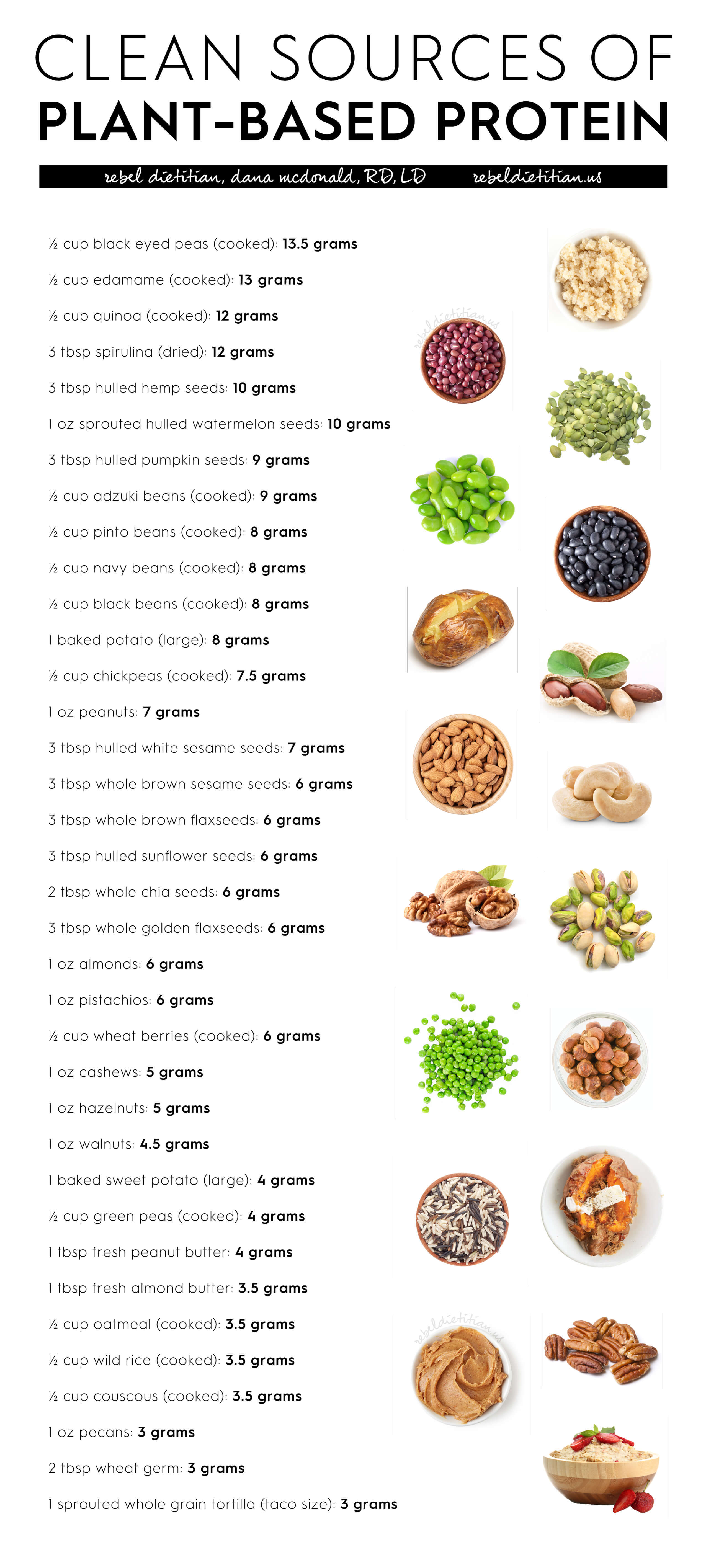
Plant-based diets have gained immense popularity in recent years due to their numerous health benefits and positive impact on the environment. One of the common concerns people have when considering a plant-based diet is whether they will be able to meet their protein needs without consuming animal products. Rest assured, there are plenty of plant-based protein sources that can provide all the essential amino acids required for optimal health.
1. Legumes: These include beans, lentils, chickpeas, and peas – all excellent sources of plant-based protein. For example, one cup of cooked black beans contains about 15 grams of protein. Legumes are also high in fiber, iron, and other important nutrients.
2. Tofu: Made from soybeans, tofu is not only an excellent source of protein but also rich in calcium and iron. With its mild taste and versatile texture, tofu can be used in various dishes like stir-fries or blended into smoothies for added creaminess.
3. Tempeh: Another soybean product popular among vegetarians and vegans is tempeh. This fermented food provides around 20 grams of protein per serving along with probiotics that promote gut health.
4. Edamame: Young soybeans known as edamame are often served as a snack or appetizer but can also be used in salads or stir-fries to boost your protein intake.
5. Quinoa: Unlike most grains, quinoa is a complete source of protein containing all nine essential amino acids our bodies need to function properly. It’s easy to cook and makes a great base for salads or side dishes.
6. Chia seeds: These tiny powerhouses pack quite a punch when it comes to nutrition! Just two tablespoons contain around 4 grams of plant-based protein along with omega-3 fatty acids and fiber.
7. Hemp seeds: Derived from the Cannabis sativa plant (but without any psychoactive effects), hemp seeds are a complete source of protein and provide heart-healthy fats. They can be sprinkled on top of salads, yogurt, or blended into smoothies.
8. Spirulina: This blue-green algae is not only rich in protein but also contains antioxidants and essential vitamins and minerals. It can be added to smoothies or taken as a dietary supplement.
9. Nuts and nut butter: Almonds, peanuts, cashews, and other nuts are not only delicious but also good sources of plant-based protein. A handful of almonds provides about 6 grams of protein while almond butter can be spread on toast for an extra boost.
10. Seitan: Made from wheat gluten, seitan has a meat-like texture that makes it a popular choice among those transitioning to a plant-based diet. With around 25 grams of protein per serving, it can be used as a meat substitute in various recipes.
11. Lentils: These legumes deserve special mention due to their high protein content – around 18 grams per cooked cup! Lentils come in different colors and can be used in soups, stews, or even burgers.
12. Green peas: Although often overlooked as just a side dish, green peas contain significant amounts of plant-based protein – roughly 8 grams per cooked cup – along with fiber and vitamins A and C.
In conclusion, there is no shortage of plant-based options when it comes to meeting your daily recommended intake of protein while following a vegetarian or vegan diet. Incorporating these diverse sources into your meals will ensure you get all the necessary amino acids needed for optimal health without relying on animal products. So go ahead and enjoy the bountiful flavors nature has provided us!

Leave a Reply