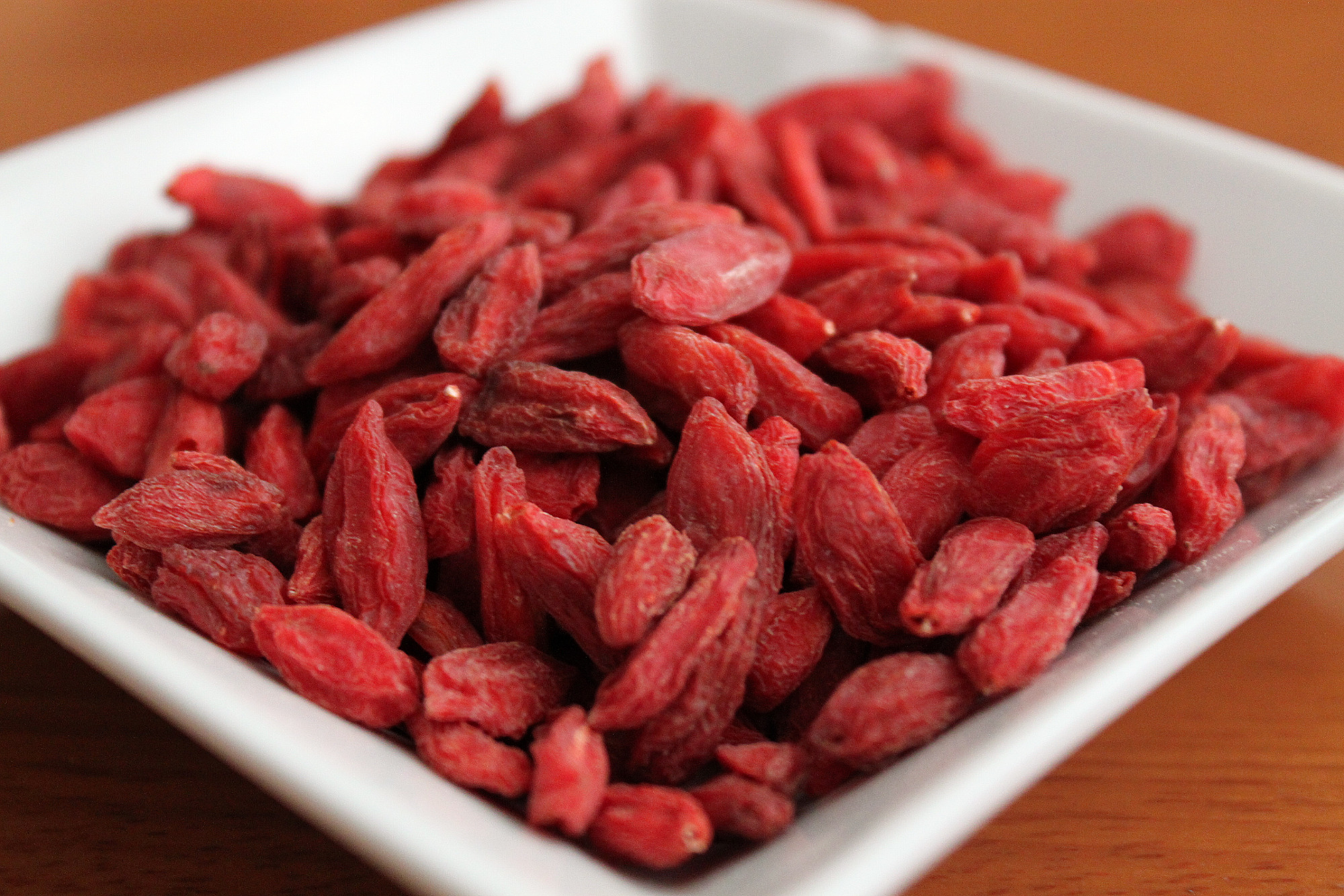
The history and origin of Goji berries
In recent years, there has been a surge in the popularity of superfoods and nutrient-rich foods. One such superfood that has garnered a lot of attention is the goji berry. These small, red berries are known for their numerous health benefits and have been consumed for centuries in traditional Chinese medicine. In this article, we will delve into the history and origin of goji berries to understand why they have become such a sought-after ingredient in healthy eating.
Goji berries, scientifically known as Lycium barbarum, are native to Asia and belong to the Solanaceae family, which also includes tomatoes, potatoes, and eggplants. They primarily grow in China but can also be found in other parts of Asia including Tibet and Mongolia. The goji berry plant is an evergreen shrub with long vines that produce vibrant orange-red fruits.
The cultivation and consumption of goji berries date back thousands of years. Traditional Chinese medicine texts mention these berries as early as 200 BCE during the Han dynasty. According to legend, goji berries were discovered by ancient herbalists who noticed increased vitality among animals that grazed on these plants.
Goji berries hold an esteemed place in Chinese culture due to their association with longevity and good health. In fact, they are often referred to as “the fruit of immortality” or “the fountain of youth.” Ancient Chinese emperors valued goji berries so much that they would send expeditions into the Himalayas to collect them.
In addition to being prized for their mythical properties, goji berries were commonly used in traditional medicine for their healing properties. They were believed to strengthen the immune system, improve vision health, enhance fertility, promote liver function, reduce inflammation, boost energy levels, and even slow down aging.
It wasn’t until relatively recently that knowledge about goji berries spread beyond Asia’s borders. In the 20th century, goji berries were introduced to other parts of the world, including Europe and North America. The growing interest in natural remedies and alternative medicine played a significant role in popularizing these berries.
In the 1990s, goji berries gained attention from health enthusiasts when they were featured on television programs and health-related publications. The media coverage touted their high antioxidant content and nutrient profile, leading to increased demand for these superfood berries.
Goji berries are rich in antioxidants such as vitamin C, beta-carotene, zeaxanthin, lutein, and polysaccharides. These antioxidants help protect our cells from damage caused by free radicals and may contribute to reduced risk of chronic diseases like heart disease and cancer.
Furthermore, goji berries are an excellent source of vitamins A and E, which are essential for maintaining healthy skin and promoting good eye health. They also contain iron, zinc, selenium, calcium, potassium, fiber, amino acids (including all nine essential ones), and trace minerals that support overall well-being.
Today, goji berries can be found in various forms – fresh or dried fruits; juices; powders; herbal tea blends; supplements; or added to granola bars or trail mixes. Their sweet-tart flavor makes them versatile for use in both sweet and savory dishes.
While traditional Chinese medicine practitioners have long revered goji berries for their health benefits, it is important to note that scientific research on humans regarding the effects of consuming goji berries is limited. Most studies conducted so far have been on animals or using isolated compounds from the fruit.
However limited the research may be currently when it comes to human consumption specifically related to Gojis there does seem enough evidence suggesting potential benefits that make it worth considering including them into your diet as part of a balanced healthy eating plan especially since they are low in calories whilst being high in nutrients
In conclusion ,goji berries have a rich history and are deeply rooted in traditional Chinese medicine. Their journey from the Himalayas to our supermarkets is a testament to their revered status as a superfood. While further research is needed to fully understand their potential benefits, goji berries can be enjoyed as part of a healthy diet, providing an array of vitamins, minerals, antioxidants, and other bioactive compounds. So why not give these tiny red powerhouses a try and experience their potential health-boosting effects for yourself?

Leave a Reply