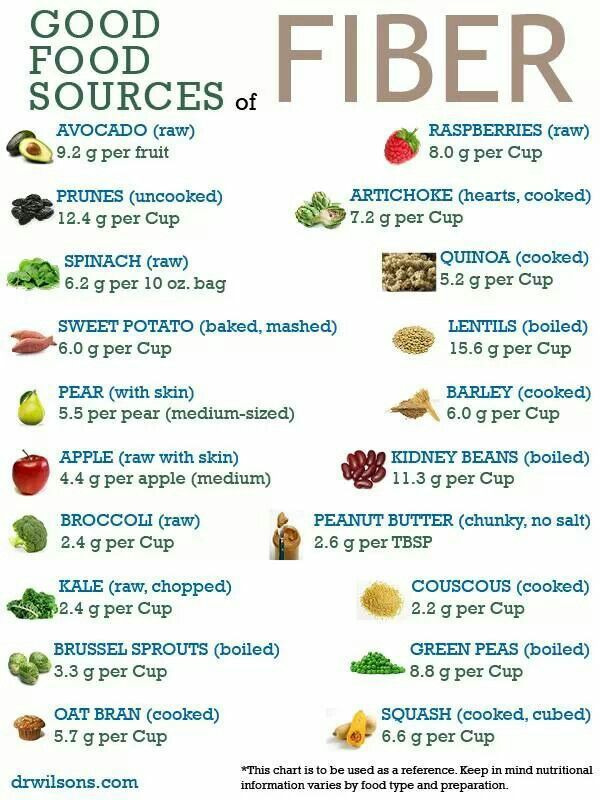
High-fiber ingredients play a crucial role in a healthy diet, as they can help improve digestion, stabilize blood sugar levels, and promote heart health. Incorporating these ingredients into your cooking not only enhances the nutritional value of your meals but also adds flavor and texture. If you’re looking to boost your fiber intake, here are some tips for cooking with high-fiber ingredients.
1. Start with whole grains: Whole grains like quinoa, brown rice, barley, and whole wheat pasta are excellent sources of fiber. Swap refined grains with their whole grain counterparts in recipes such as stir-fries, salads, or side dishes. These grains add a nutty taste and chewy texture to your meals while increasing their fiber content.
2. Experiment with legumes: Legumes such as lentils, chickpeas, black beans, and kidney beans are packed with fiber and protein. They can be used in various dishes like soups, stews, chili’s or even blended into dips like hummus. Adding legumes not only increases the fiber content but also makes the dish more filling.
3. Get creative with vegetables: Vegetables are naturally rich in dietary fiber and offer endless possibilities for incorporating them into your meals creatively. Consider adding grated zucchini or carrots to muffins or bread batter for an extra dose of fiber without compromising taste or texture. You can also try replacing traditional noodles with spiralized vegetables like zucchini or sweet potato for a lighter yet fibrous alternative.
4. Embrace fruits: Fruits not only contain essential vitamins and minerals but are also great sources of dietary fiber when consumed with their skin intact whenever possible (after thorough washing). Incorporate diced apples or pears into oatmeal or yogurt bowls for added sweetness and crunch while boosting the overall fiber content.
5. Add seeds to your recipes: Chia seeds, flaxseeds, hemp seeds, and pumpkin seeds are all excellent sources of fiber. Sprinkle them on top of salads, yogurt, or cereal to add a pleasant crunch and increase the fiber content of your meals. These seeds can also be used as an egg substitute in baking recipes by mixing them with water.
6. Don’t forget about nuts: Nuts like almonds, walnuts, and pistachios not only provide healthy fats but are also packed with dietary fiber. Incorporate chopped nuts into your granola bars, trail mix, or sprinkle them over roasted vegetables for added texture and nutritional value.
7. Hydrate adequately: High-fiber ingredients absorb water during digestion; therefore, it’s essential to drink enough fluids throughout the day to prevent constipation or discomfort. Aim to drink at least eight glasses of water daily and incorporate hydrating foods such as cucumbers or melons into your meals.
Remember that gradually increasing your fiber intake is key to avoid digestive discomfort. Start by incorporating small amounts of high-fiber ingredients into your cooking and gradually increase as tolerated.
By implementing these tips and including high-fiber ingredients in your everyday cooking routine, you’ll enjoy delicious meals that support a healthy lifestyle while reaping the numerous benefits that come with a high-fiber diet

Leave a Reply