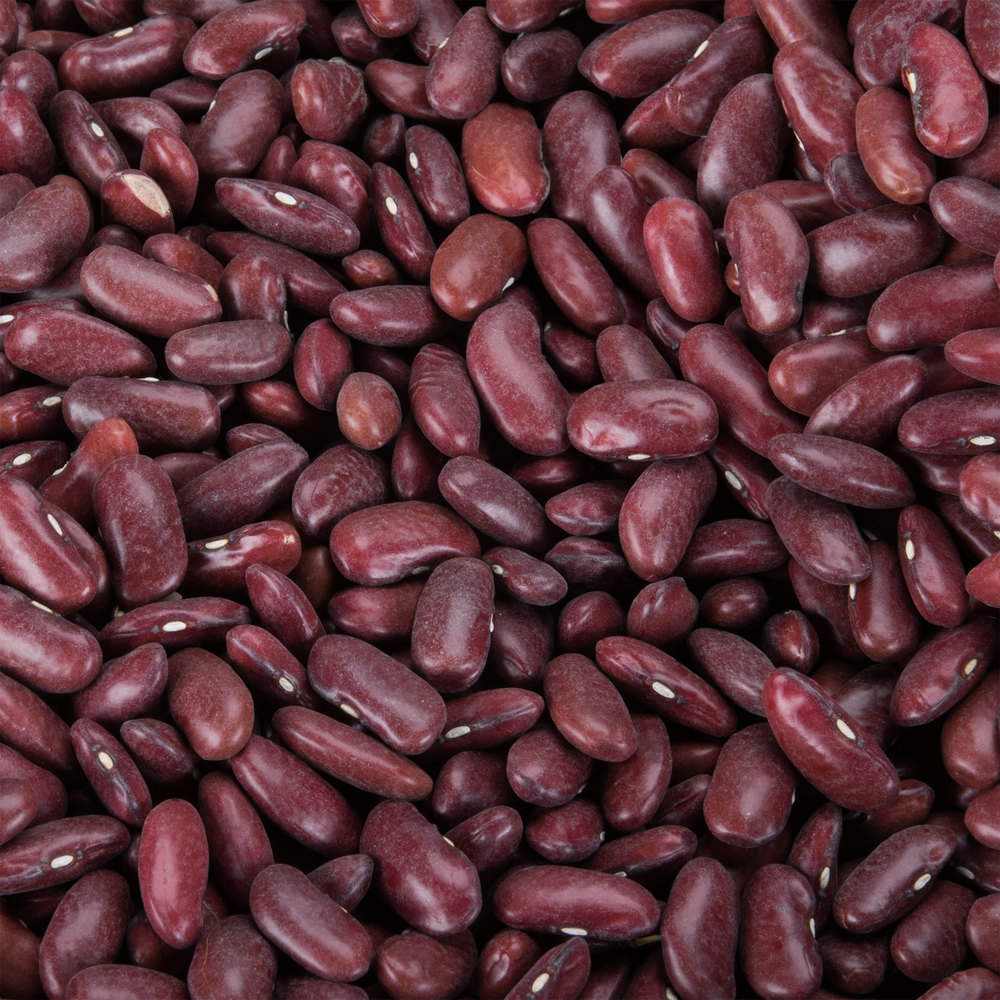
Kidney beans, also known as red beans or rajma, are a popular legume that is enjoyed in various cuisines around the world. These small, kidney-shaped beans not only add flavor and texture to dishes but also offer numerous health benefits. In this article, we will delve into everything you need to know about kidney beans – from their nutritional value and cooking methods to their potential health benefits and precautions.
Nutritional Value of Kidney Beans:
Kidney beans are a nutrient-dense food that provides an array of essential vitamins, minerals, and plant compounds. They are an excellent source of plant-based protein, making them a great choice for vegetarians and vegans. A one-cup (177g) serving of cooked kidney beans contains approximately:
– Calories: 215
– Protein: 15 grams
– Fat: 0.9 grams
– Carbohydrates: 40 grams
– Fiber: 13 grams
– Iron: 3.6 milligrams (20% of the recommended daily intake)
– Magnesium: 70 milligrams (17% of the recommended daily intake)
– Potassium: 607 milligrams (13% of the recommended daily intake)
Furthermore, kidney beans are rich in folate, manganese, phosphorus, copper, thiamine (vitamin B1), and vitamin K1.
Health Benefits of Kidney Beans:
1. Excellent Source of Plant-Based Protein:
Kidney beans provide a significant amount of protein while being low in fat and cholesterol-free. The high protein content makes them beneficial for muscle growth and repair.
2. Heart Health:
Kidney beans contain soluble fiber which helps reduce LDL (“bad”) cholesterol levels by preventing its absorption in the intestines. This can lower the risk factors associated with heart disease such as high blood pressure.
3. Blood Sugar Regulation:
The fiber content in kidney beans slows down digestion and prevents rapid spikes in blood sugar levels. This can be particularly beneficial for individuals with diabetes or those at risk of developing the condition.
4. Weight Management:
Due to their high fiber and protein content, kidney beans can help promote feelings of fullness and satiety, reducing overeating and aiding in weight management.
5. Digestive Health:
Kidney beans are rich in dietary fiber, which promotes healthy digestion and prevents constipation. Regular consumption of kidney beans may also contribute to a healthier gut microbiome.
6. Antioxidant Properties:
Kidney beans contain various antioxidants such as anthocyanins, flavonoids, and phenolic compounds that help neutralize harmful free radicals in the body. These antioxidants have been linked to reduced inflammation and a lower risk of chronic diseases like cancer and heart disease.
7. Bone Health:
The essential minerals found in kidney beans, including calcium, magnesium, manganese, and phosphorus, play a vital role in maintaining bone health and preventing conditions like osteoporosis.
Cooking with Kidney Beans:
Before cooking kidney beans, it is crucial to soak them overnight or for at least 8 hours to reduce cooking time and aid digestion by removing some of the complex sugars responsible for gas production. After soaking, rinse the beans thoroughly before proceeding with your chosen recipe.
Kidney beans can be incorporated into a wide variety of dishes such as soups, stews, salads, chili con carne (a popular Tex-Mex dish), or even blended into dips like hummus or bean spreads. They have a robust flavor that pairs well with spices like cumin, chili powder, garlic powder or fresh herbs like cilantro.
Precautions:
While kidney beans offer numerous health benefits when cooked properly they should not be consumed raw or undercooked as they contain toxic substances known as lectins that could cause gastrointestinal issues such as nausea and vomiting if ingested in large quantities.
Additionally:
– People following specific diets, such as those on a low FODMAP diet, should be cautious with kidney beans due to their high fiber content.
– Individuals with kidney disease may need to limit their intake of potassium and phosphorus-rich foods like kidney beans. Consult a healthcare professional for personalized advice.
In conclusion, kidney beans are a versatile and nutritious legume that can be enjoyed in various dishes. They are packed with protein, fiber, vitamins, minerals, and antioxidants that promote overall health. By incorporating kidney beans into your diet regularly and cooking them properly, you can reap their numerous health benefits while adding flavor and texture to your meals.

Leave a Reply