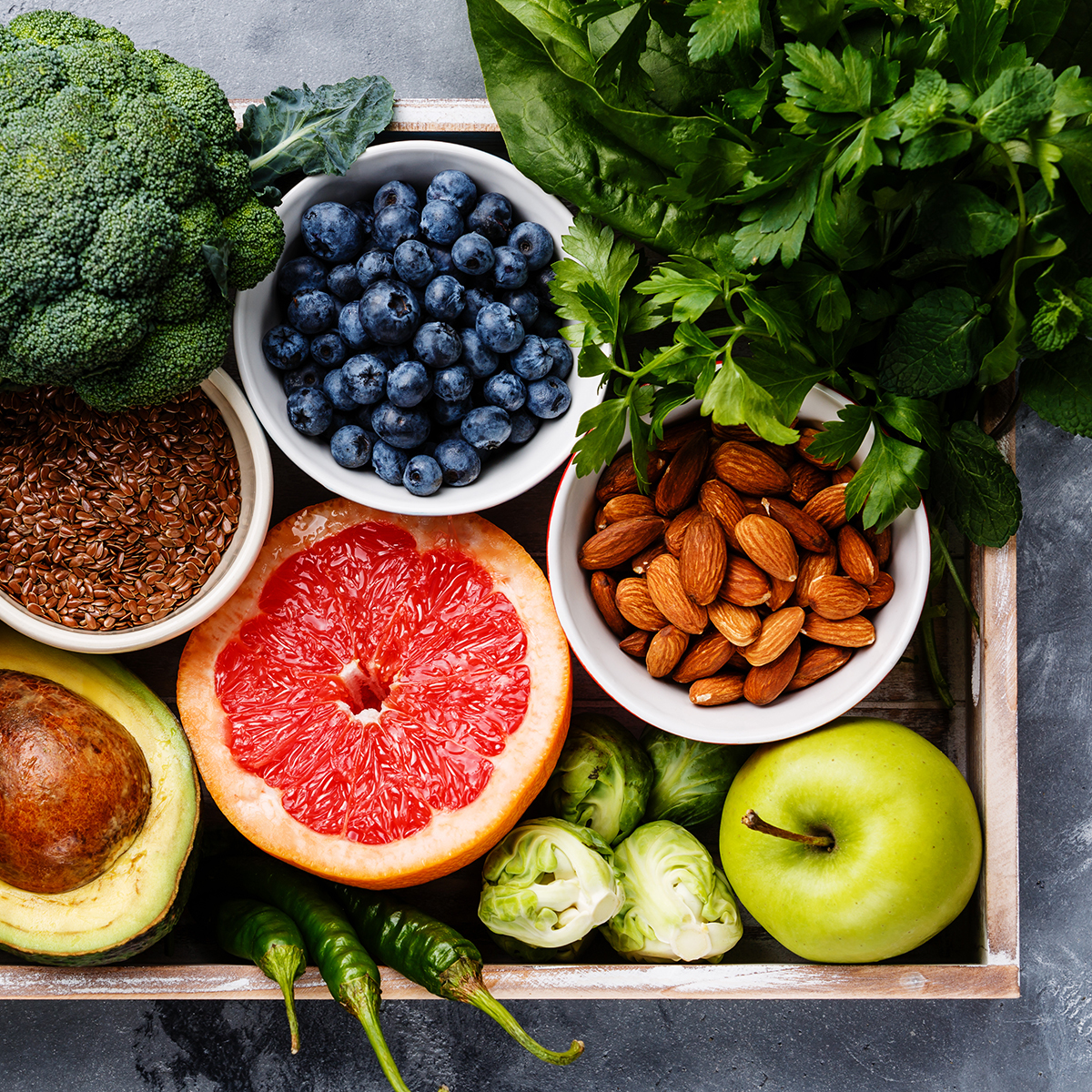
In recent years, there has been a growing interest in the impact of diet on overall health and well-being. One aspect that has gained significant attention is the choice between processed and whole foods diets. While both approaches have their pros and cons, it is important to consider the financial implications associated with each.
Processed foods, often characterized by their convenience and long shelf life, have become increasingly popular in our fast-paced society. These products undergo various manufacturing processes that alter their original form, usually involving additives for flavoring, preservation, or texture enhancement. However, this convenience comes at a cost – both financially and nutritionally.
On one hand, processed foods tend to be more affordable than whole foods. This affordability can be attributed to economies of scale achieved through mass production. Additionally, manufacturers often use inexpensive ingredients or substitutes to reduce costs further. As a result, individuals with limited budgets may find it more economical to rely on processed options when grocery shopping.
However, while these products may seem cheaper upfront, there are hidden costs associated with consuming them over time. Processed foods are notorious for being high in added sugars, unhealthy fats (such as trans fats), sodium levels beyond recommended limits and low in essential nutrients like fiber and vitamins. Overconsumption of these nutrient-poor options can lead to various health issues such as obesity, diabetes, cardiovascular diseases among others – all of which come with substantial financial burdens including medical expenses.
Whole foods offer an alternative approach focused on consuming minimally processed or unprocessed ingredients that retain most of their natural nutrients. Although they might initially appear more expensive compared to their processed counterparts due to factors like seasonality or organic certification costs if applicable; adopting a whole food diet can prove beneficial from a financial standpoint in the long run.
By investing in fresh fruits and vegetables along with lean proteins such as chicken breast or lentils instead of pre-packaged meals or fast food options; you not only improve your nutritional intake but also minimize potential healthcare costs. Whole foods provide essential nutrients like vitamins, minerals, and antioxidants necessary for optimal health and disease prevention.
Furthermore, whole food diets can be cost-effective with proper planning and smart shopping habits. Buying seasonal produce when it is abundant can significantly reduce costs while still providing a wide range of nutrient-rich options. Additionally, purchasing whole grains in bulk or opting for frozen fruits and vegetables (which maintain their nutritional value) can help stretch your grocery budget without compromising on quality.
Another financial advantage of a whole foods diet stems from the fact that it promotes mindful eating practices. By preparing meals at home using fresh ingredients, you have greater control over portion sizes and cooking methods. This reduces the likelihood of wasting food and allows you to maximize the use of ingredients across multiple meals, ultimately saving money in the process.
While transitioning to a whole foods diet may require some upfront adjustments to your shopping routine and meal planning habits, there are several strategies that can make this shift more manageable. Meal prepping in batches not only saves time but also prevents impulse purchases or resorting to processed options due to lack of time or energy for cooking each day. Additionally, seeking out local farmers markets or community-supported agriculture programs can offer affordable access to fresh produce while supporting local growers.
In conclusion, although processed foods may seem more affordable initially due to their lower price tags at the store checkout; their long-term financial implications cannot be ignored. The hidden costs associated with nutrient-poor diets contribute to increased risks of chronic diseases and subsequent medical expenses down the line. On the other hand, investing in a whole foods diet may require some initial adjustment in terms of budgeting and meal planning; however, its long-term benefits far outweigh these challenges by promoting better health outcomes as well as reducing healthcare costs in the future.

Leave a Reply