Collagen Types: Understanding the Building Blocks of Healthy Skin, Joints, and More
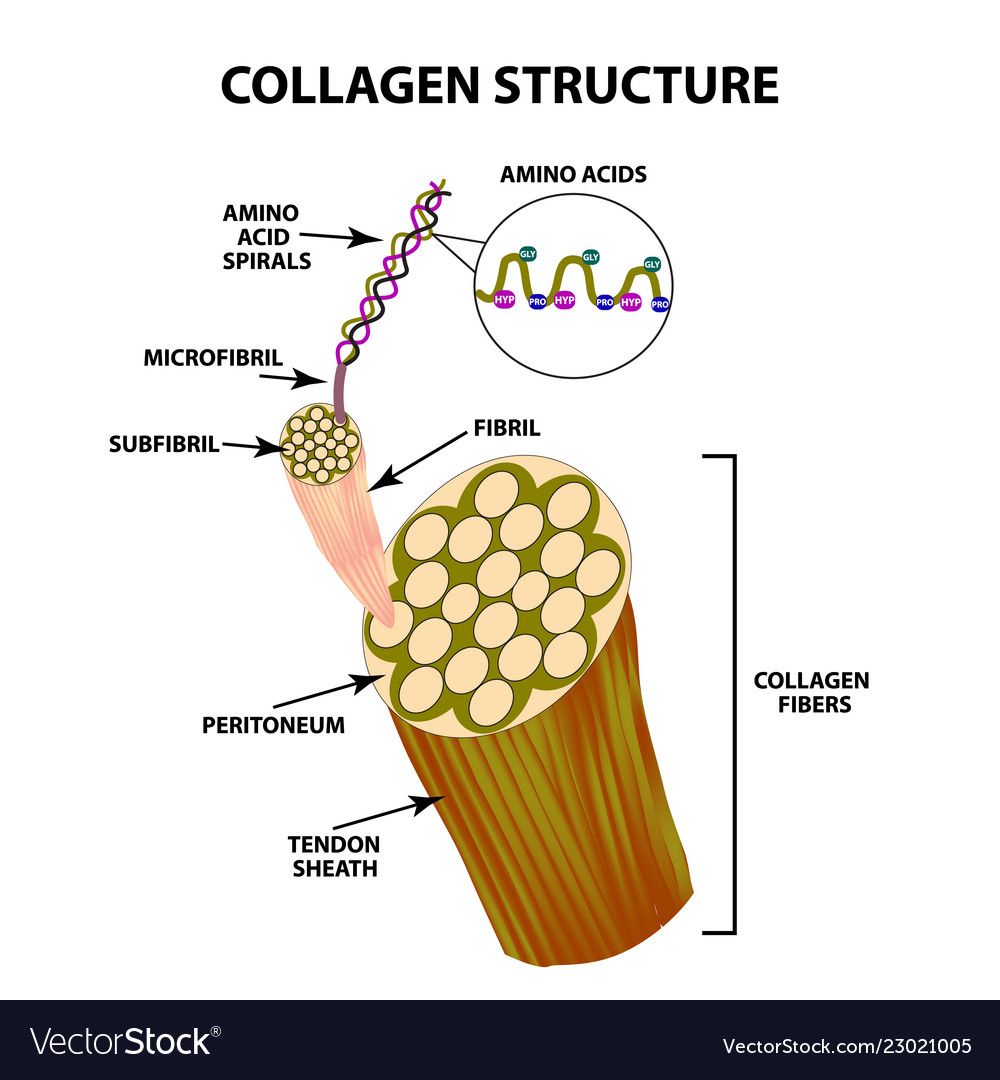
When it comes to maintaining healthy skin, strong joints, and overall well-being, collagen plays a vital role. Collagen is the most abundant protein in our bodies and acts as a building block for various tissues such as skin, bones, tendons, and cartilage. It provides structure and strength while also promoting elasticity. However, not all collagen is created equal. There are several types of collagen that have different functions within our bodies.
Type I collagen is the most common type found in our connective tissues. It forms the foundation of our skin, bones, tendons, ligaments, and teeth. This type of collagen contributes to healthy-looking skin by improving its firmness and reducing the appearance of wrinkles. Additionally, it supports strong bones by providing structural integrity.
Type II collagen primarily affects joint health. It makes up the cartilage that cushions our joints and prevents them from rubbing against each other during movement. By maintaining healthy levels of type II collagen through proper nutrition or supplements, we can support joint mobility and reduce discomfort associated with conditions like osteoarthritis.
Type III collagen works closely with type I collagen to provide structural support to organs like blood vessels, muscles, and organs such as liver and lungs. Together with type I collagen fibers arranged in a web-like pattern under the skin’s surface; they contribute to its elasticity.
Type IV collagen plays an essential role in forming basement membranes – thin layers that separate different tissue layers in organs like kidneys or blood vessels’ inner lining (endothelium). These membranes provide support for cells while also allowing for necessary substance exchange.
Another important type is Type V collagen which helps maintain healthy hair follicles along with Type VII Collagen—both crucial components for strong hair growth.
While these are some of the main types of collagens present in our bodies; it’s important to note that there are at least 28 different types identified so far. Each type has a unique structure and function, contributing to various aspects of our overall health.
To support collagen production and maintain healthy levels in our bodies, it’s important to provide the necessary nutrients. A diet rich in protein, particularly from sources like lean meat, fish, poultry, dairy products, legumes, and eggs can help supply the amino acids needed for collagen synthesis. Additionally, incorporating foods high in vitamin C (such as citrus fruits), zinc (found in nuts and seeds), copper (abundant in seafood and organ meats), and antioxidants (from colorful fruits and vegetables) can further support collagen formation.
Supplements such as hydrolyzed collagen peptides have gained popularity due to their ability to enhance collagen synthesis. These supplements contain smaller chains of amino acids that are more easily absorbed by the body. They can be added to drinks or smoothies for convenience.
In addition to nutrition, certain lifestyle factors can impact collagen production negatively. Smoking tobacco damages collagen fibers while also inhibiting its synthesis. Excessive sun exposure without protection can lead to premature breakdown of existing collagen fibers. Chronic stress is another factor that affects the body’s ability to produce sufficient amounts of this crucial protein.
Maintaining healthy levels of collagen is essential for overall well-being. Understanding the different types of collagens found within our bodies helps us appreciate their unique roles in maintaining healthy skin elasticity, strong joints, and other vital functions. By adopting a balanced diet rich in specific nutrients and making lifestyle choices that promote collagen synthesis rather than breaking it down; we empower ourselves with tools for optimal health at any age.

Leave a Reply