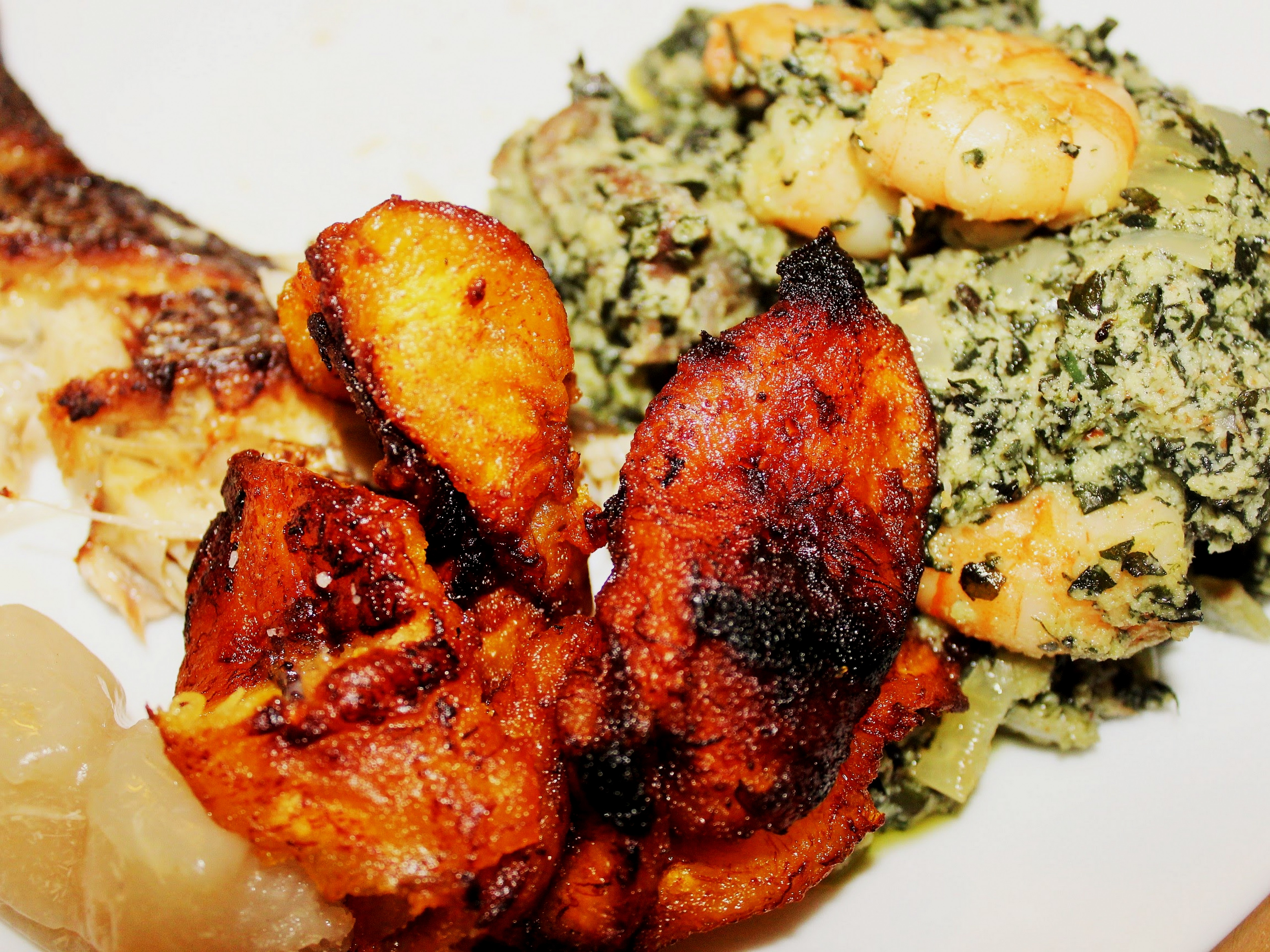
Welcome to our comprehensive guide on Africa, a diverse and vibrant continent that is home to 54 countries. With its rich culture, history, and natural wonders, Africa offers an array of healthy eating options for those looking to explore its culinary delights. In this FAQ-style post, we will delve into the various aspects of African cuisine, traditional ingredients, popular dishes, and the health benefits they offer.
1. What are some common ingredients used in African cuisine?
African cuisine boasts a wide range of indigenous ingredients that form the backbone of many traditional dishes. Some common staples include:
a) Grains: Sorghum, millet, maize (corn), rice.
b) Tubers: Yams, sweet potatoes, cassava.
c) Legumes: Lentils, chickpeas (garbanzo beans), black-eyed peas.
d) Vegetables: Okra (ladies’ fingers), spinach, pumpkin leaves.
e) Fruits: Mangoes, bananas, oranges.
2. Are there any unique spices or herbs used in African cooking?
Yes! African cuisine is known for its flavorful use of spices and herbs. Here are a few examples:
a) Berbere: A fiery spice blend commonly found in Ethiopian and Eritrean cuisines.
b) Harissa: A North African chili paste made from roasted red peppers or hot chilies.
c) Njangsa/Njansa/Okhuen seeds: Commonly used as a spice in West and Central African cooking with a nutty flavor similar to sesame seeds.
3. How does geography influence African cuisine?
The vastness of Africa’s landmass leads to significant regional variations in culinary traditions due to different climates and available resources. Northern regions often draw influences from Mediterranean flavors while coastal areas incorporate seafood into their dishes. Inland regions rely more heavily on livestock farming for meat-based recipes.
4. Which countries have renowned healthy cuisines?
Several African countries have been recognized for their healthy and nutritious cuisines. Here are a few examples:
a) Morocco: Known for its vibrant assortment of tagines, couscous dishes, and salads that feature fresh vegetables, herbs, and spices.
b) Ethiopia: Famous for its injera (fermented flatbread) served alongside a variety of stews made with lentils, chickpeas, or vegetables.
c) Nigeria: Offers an array of soups and stews such as Egusi soup (made with melon seeds), Okra soup, or Efo Riro (vegetable stew).
d) South Africa: Celebrated for its braai (barbecue), often featuring lean meats like chicken or fish paired with colorful salads.
5. Are there any vegetarian or vegan options in African cuisine?
Absolutely! Africa has a plethora of plant-based dishes suitable for vegetarians and vegans. Some notable examples include:
a) Mafe/Tiga Degue/Mafé: A West African peanut stew made using vegetables like sweet potatoes, carrots, eggplant, and spinach.
b) Bobotie: A South African dish consisting of spiced minced tofu/soy mixed with raisins topped with an egg-based custard-like topping.
c) Foul Medames/Medamis/Fava Beans Stew: An Egyptian dish made from fava beans cooked in olive oil along with garlic and lemon juice.
6. How is traditional African cuisine beneficial to health?
African cuisine offers several health benefits due to its reliance on fresh ingredients and minimal processing techniques. Some advantages include:
a) Rich in Nutrients: Traditional African diets tend to be high in fiber, vitamins (especially Vitamin C), minerals such as iron and zinc found abundantly in leafy greens like spinach or kale.
b) Plant-Based Focus: Many traditional dishes emphasize plant-based ingredients like legumes which provide protein while being low in saturated fats.
c) Balanced Approach: African cuisine often combines grains, legumes, and vegetables, offering a well-rounded balance of macronutrients.
d) Antioxidant-Rich Spices: The use of herbs and spices like turmeric, ginger, and garlic in African cooking adds both flavor and potential health benefits due to their antioxidant properties.
7. Can you suggest some healthy African recipes?
Certainly! Here are two delicious recipes to get you started:
a) Moroccan Chickpea Salad:
Ingredients:
– 1 can chickpeas (drained)
– 1 cucumber (diced)
– 1 red bell pepper (diced)
– 1/4 cup chopped fresh parsley
– Juice of 1 lemon
– 2 tablespoons olive oil
– Salt and pepper to taste
Instructions:
Combine all ingredients in a bowl. Toss gently to mix well. Adjust seasoning as desired.
b) Nigerian Vegetable Soup:
Ingredients:
– Assorted vegetables (spinach, kale, pumpkin leaves), chopped
– Palm oil or any vegetable oil for sautéing
– Onions (chopped)
– Garlic cloves (minced)
– Stock/broth
– Seasonings: salt, bouillon cubes/powdered stock
Optional: Fresh chili peppers for heat
Instructions:
In a pot over medium heat, sauté onions and garlic until fragrant. Add the chopped vegetables along with the broth/stock. Simmer until the vegetables are tender but still vibrant green. Season with salt and other seasonings according to taste.
Remember that these are just a few examples; there is an abundance of healthy African recipes waiting to be discovered!
In conclusion, exploring the diverse cuisines of Africa can open up new avenues for healthy eating choices. Whether you’re vegetarian or enjoy lean meats, traditional African dishes offer an array of options packed with nutrients while tantalizing your taste buds. So, embark on a culinary journey and savor the flavors Africa has to offer!

Leave a Reply