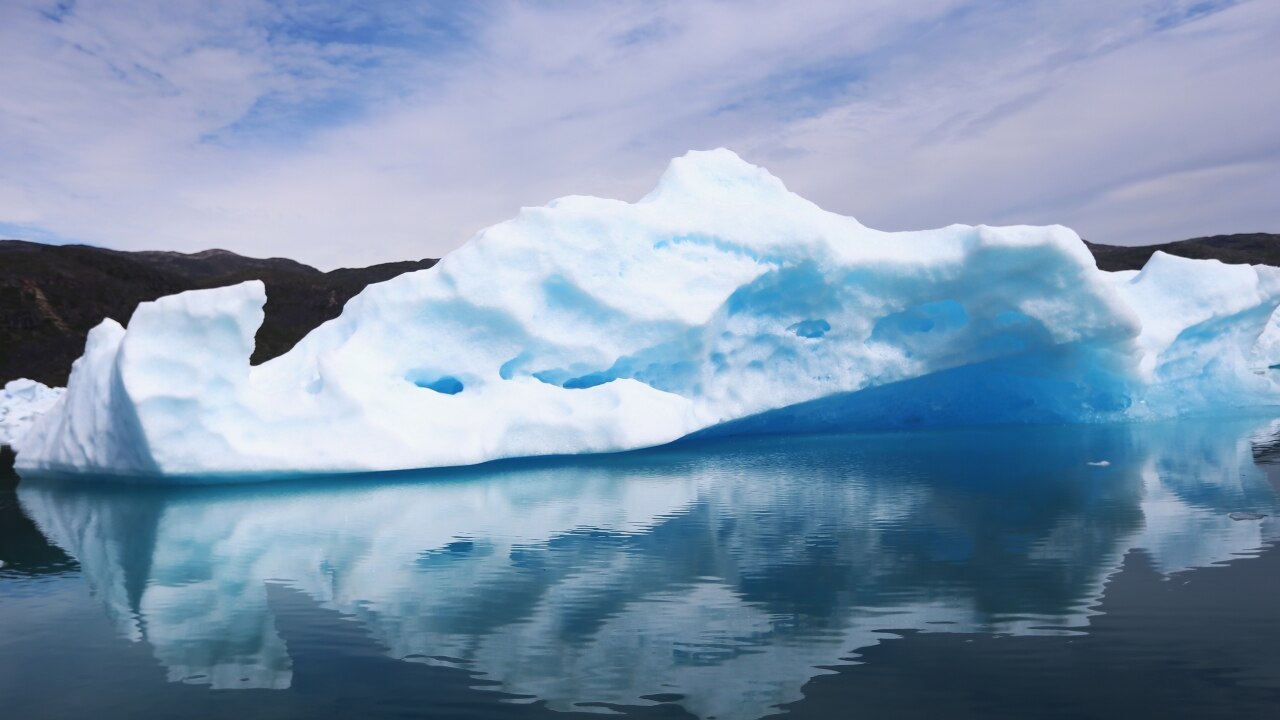
Glaciers and Ice Caps: A Frozen Treasure for a Healthy Planet
Introduction:
When we think of healthy eating, our minds often wander towards fresh fruits and vegetables, lean proteins, and whole grains. However, there is another vital component to a healthy planet that directly impacts the food we eat – glaciers and ice caps. These massive bodies of ice play a significant role in maintaining global climate patterns, ensuring freshwater availability, and supporting diverse ecosystems. In this article, we will explore the importance of glaciers and ice caps for both human health and the well-being of our planet.
1. Climate Regulation:
Glaciers are known as Earth’s natural thermostats due to their ability to regulate climate patterns by reflecting sunlight back into space. As sunlight hits the white surface of glaciers or ice caps, most of it bounces off instead of being absorbed by land or water. This reflective process helps maintain cooler temperatures globally, preventing excessive heat from accumulating on Earth’s surface.
Furthermore, melting glaciers contribute to rising sea levels which can disrupt weather patterns around the world. The resultant changes in precipitation can lead to droughts in some regions while causing severe flooding in others. By preserving these icy giants, we can help stabilize global climates and reduce extreme weather events that impact agriculture and food production systems.
2. Freshwater Reservoirs:
Glaciers store vast amounts of freshwater locked within their frozen mass – an estimated 69% of all freshwater on Earth! As they slowly melt over time or during warmer seasons like summer, this stored water is gradually released into rivers and lakes downstream.
Freshwater availability is crucial for growing crops, sustaining livestock herds, generating hydroelectric power, and meeting daily household needs such as drinking water sanitation purposes. Glacial meltwater acts as a lifeline for many communities located near mountainous regions where access to alternative sources may be limited.
However, with rising global temperatures caused by climate change posing a threat to glaciers, it becomes imperative for us to carefully manage and preserve these freshwater reservoirs. By doing so, we can ensure a constant supply of clean water for healthy eating and living.
3. Biodiversity Hotspots:
Glaciers and ice caps are home to unique ecosystems that support a wide range of plant and animal species. From tiny algae thriving in the meltwater streams to large mammals like polar bears or seals dependent on sea ice, these icy habitats provide shelter, breeding grounds, and food sources for various organisms.
Preserving glacier ecosystems is essential not only for biodiversity conservation but also for maintaining sustainable fisheries. Many fish species rely on cold-water temperatures provided by glacial meltwater during their reproductive cycles. These fish populations play an integral role in our diets as they contribute to the availability of nutrient-rich seafood options.
4. Nutrient-Rich Soils:
As glaciers advance and retreat over time, they erode rocks underneath them, creating fine particles known as rock flour or glacial flour. This finely ground material gets deposited along with meltwater downstream where it enriches soils in nearby valleys.
The presence of rock flour enhances soil fertility by providing essential minerals such as calcium, magnesium, potassium, and phosphorus necessary for plant growth. Healthy soils translate into abundant crops rich in micronutrients vital for human health.
Moreover, some studies suggest that consuming crops grown in glacial-fed regions may offer higher levels of certain nutrients compared to those grown elsewhere due to the unique composition of the soil enriched by glaciers.
Conclusion:
Glaciers and ice caps are not just majestic natural wonders; they are crucial components of a healthy planet that directly impact our ability to eat well-balanced meals while safeguarding our environment from climate change-related disruptions.
By understanding their significance in regulating climates worldwide, acting as freshwater reservoirs supporting diverse ecosystems and enhancing soil fertility – we can appreciate why preserving these frozen treasures is vital not only for ourselves but for future generations.
Let us strive to protect and maintain the health of these icy giants, ensuring a sustainable future where healthy eating is possible for all.

Leave a Reply