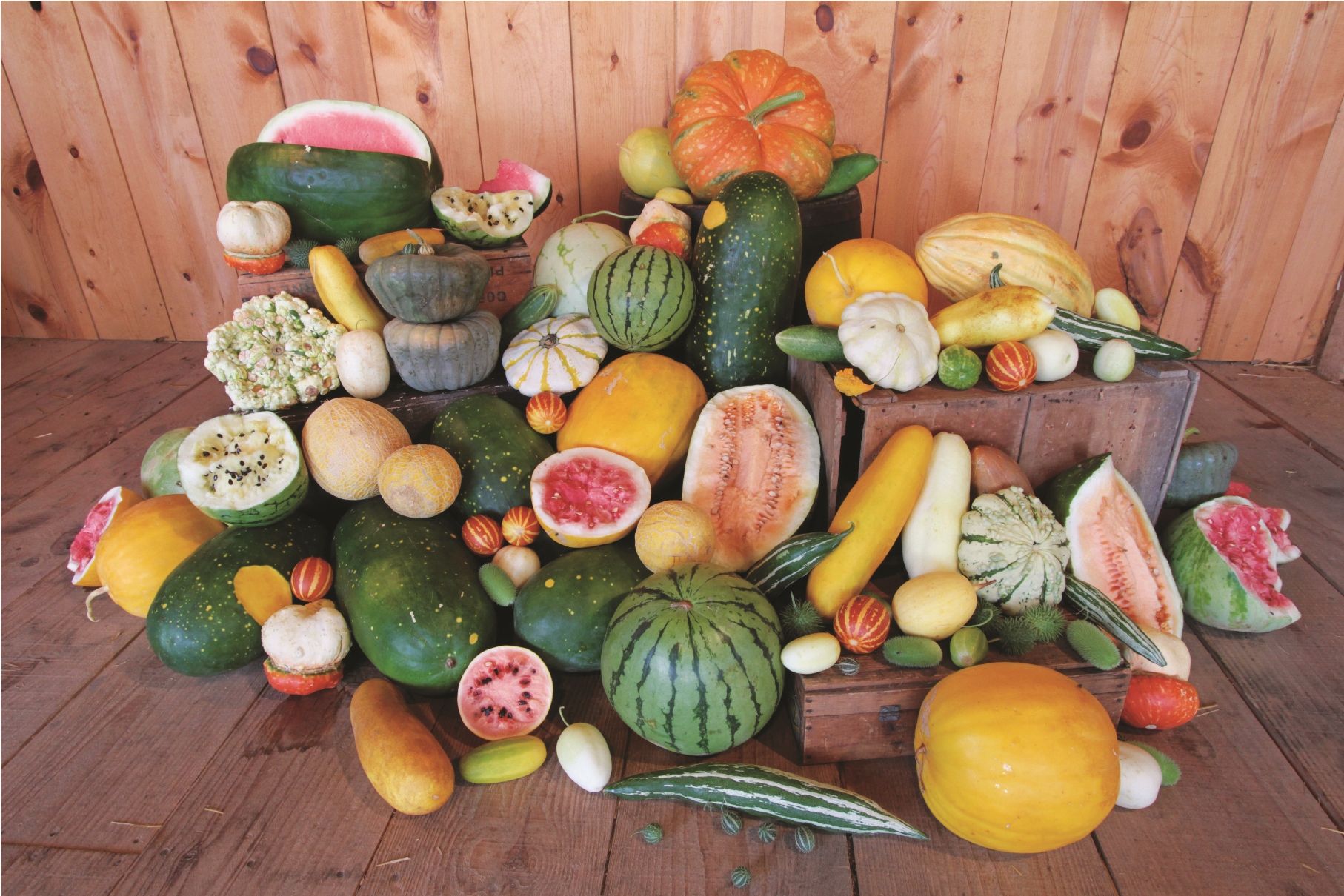
Heirloom Varieties of Fruits and Vegetables: A Journey into the Past for a Healthier Future
In recent years, there has been a growing interest in heirloom varieties of fruits and vegetables. These unique and often forgotten varieties offer not only exceptional flavors but also a connection to our agricultural heritage. In this article, we will explore what makes heirlooms so special, their nutritional benefits, and how incorporating them into our diets can contribute to a healthier lifestyle.
What are Heirloom Varieties?
Heirloom varieties are old cultivars that have been passed down through generations of gardeners. They are open-pollinated plants, meaning they reproduce naturally through wind or insect pollination rather than relying on human intervention. Unlike modern hybrid varieties bred for consistency and uniformity, heirlooms exhibit an array of shapes, sizes, colors, and flavors that have become increasingly rare in today’s industrial agriculture system.
The Beauty of Diversity
One of the most significant advantages of growing or consuming heirlooms is the incredible diversity they bring to our plates. Take tomatoes as an example – instead of being limited to perfectly round red orbs found in supermarkets year-round; you can enjoy yellow pear-shaped tomatoes bursting with sweetness or black Krim tomatoes with their rich smoky flavor.
This diversity not only adds excitement to meals but also broadens our nutrient intake. Different colored fruits and vegetables contain varying combinations of vitamins, minerals, antioxidants, and phytonutrients that help support overall health. By embracing heirlooms’ diversity, we can nourish ourselves more comprehensively while enjoying a delightful range of tastes.
Nutritional Benefits
While taste is often the main reason many people turn to heirlooms when shopping for groceries or starting their own gardens at home—these ancient varieties offer numerous health benefits too. Studies have shown that some older cultivars may contain higher levels of certain nutrients compared to modern hybrids.
For instance, the Golden Bantam corn, an heirloom variety introduced in the early 1900s, is known for its intense flavor and high levels of carotenoids such as beta-carotene. Carotenoids are important antioxidants that help protect our bodies against cellular damage caused by harmful free radicals.
Similarly, Purple Majesty potatoes differ from their conventional counterparts due to their vibrant purple flesh. This unique coloration indicates a higher concentration of anthocyanins—a type of antioxidant associated with reducing inflammation and promoting heart health.
Furthermore, since heirlooms have been cultivated over long periods for taste and texture rather than shelf life or transportability, they are often picked at peak ripeness. This means that they retain more nutrients compared to fruits and vegetables harvested prematurely to withstand long journeys.
Supporting Biodiversity
In addition to their nutritional benefits, growing heirlooms also helps preserve biodiversity—an essential aspect of a healthy ecosystem. The industrial agriculture system has heavily relied on a limited number of hybrid varieties developed for mass production but lacking genetic diversity. By focusing on just a few cultivars, we risk losing countless other varieties that hold valuable traits such as disease resistance or adaptability to specific climate conditions.
By embracing heirloom gardening practices at home or supporting local farmers who grow these unique varieties, we contribute directly to the preservation of agricultural biodiversity. In turn, this ensures that future generations will continue to have access to diverse food options and maintain resilient farming systems capable of adapting to changing environmental conditions.
How Can We Incorporate Heirlooms into Our Diets?
Now that we understand why heirloom varieties are worth exploring let’s discuss how we can incorporate them into our diets.
One way is by shopping at farmers’ markets or joining Community Supported Agriculture (CSA) programs where local farmers often offer a wide range of heirloom produce. These direct-to-consumer channels not only allow us access to fresh and flavorful fruits and vegetables but also provide an opportunity to connect with the people who grow our food.
If you have a green thumb and some space for gardening, consider growing your own heirlooms. Many seed companies specialize in heirloom varieties, making it easy to find seeds for everything from tomatoes and peppers to cucumbers and melons. Growing your own food not only gives you control over the cultivation process but also provides a rewarding experience as you witness the unique characteristics of each variety unfold.
Finally, when cooking with heirlooms, embrace their distinct flavors and textures. Try experimenting with different recipes that highlight their qualities instead of treating them like generic ingredients. For example, heirloom cherry tomatoes shine in simple salads or pasta dishes where their sweetness can be fully appreciated.
In conclusion, heirloom varieties of fruits and vegetables offer us a journey into the past while contributing to a healthier future. Their diverse flavors and nutritional benefits make them an exciting addition to any diet. By embracing these ancient cultivars, we not only savor exceptional tastes but also support biodiversity preservation and sustainable agriculture practices. So why not embark on this culinary adventure? Your taste buds—and your health—will thank you!

Leave a Reply