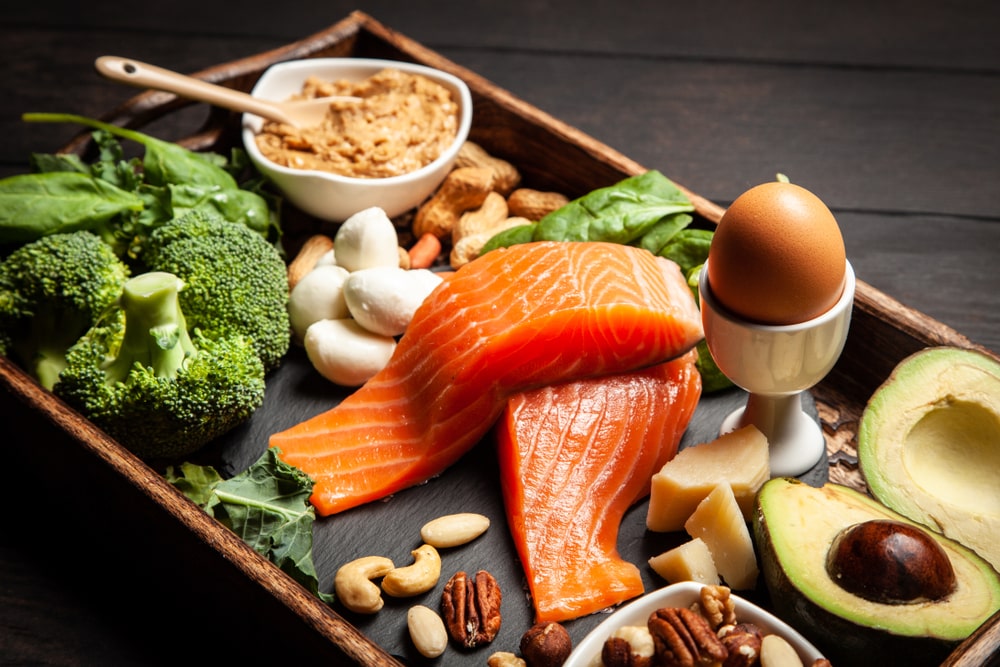
Whether you want to lose weight, improve your overall health, or simply try out a new eating style, the ketogenic diet (keto) might be worth considering. This low-carb, high-fat diet has gained popularity in recent years for its potential benefits. In this article, we will provide an overview of what the keto diet is all about and discuss some of its pros and cons.
What is the ketogenic diet?
The ketogenic diet focuses on drastically reducing carbohydrate intake while increasing fat consumption. By doing so, it aims to shift your body’s primary fuel source from carbohydrates to fats. When you consume fewer carbs, your body enters a metabolic state called ketosis.
In ketosis, your liver starts producing molecules called ketones from stored fat as an alternative energy source for your brain and muscles. This process allows you to burn fat more efficiently and can lead to weight loss.
Foods to eat on the keto diet
To follow a ketogenic diet successfully, it’s crucial to choose foods that are low in carbs but high in healthy fats:
1. Meats: Opt for high-quality protein sources like beef, poultry, pork, lamb, and fatty fish.
2. Eggs: A versatile food that fits perfectly into a keto meal plan.
3. Healthy fats: Avocadoes, olive oil, coconut oil are excellent choices.
4. Dairy products: Full-fat options such as cheese and cream may be included in moderation.
5. Vegetables: Leafy greens like spinach and kale should be staples in every keto dieter’s pantry.
6. Nuts and seeds: Almonds, walnuts chia seeds are great sources of healthy fats with minimal carbs.
Foods to avoid on the keto diet
To achieve ketosis effectively and maintain it long-term:
1. Grains: Wheat-based products like breads or pasta should be avoided entirely.
2. Sugary foods: Candy bars desserts sugary drinks should be strictly eliminated.
3. Starchy vegetables: Potatoes, corn, and carrots contain high amounts of carbs and should be limited.
4. Most fruits: Although naturally sweet, fruits tend to have higher sugar content and can disrupt ketosis.
Pros of the ketogenic diet
1. Weight loss: The keto diet has shown promising results for weight loss due to its ability to reduce hunger levels while promoting fat burning.
2. Improved mental focus: Many individuals report increased mental clarity and concentration while following a ketogenic eating style.
3. Reduced inflammation: By cutting out processed foods and sugars, the keto diet may help decrease inflammation in the body.
4. Better blood sugar control: Since carbohydrates significantly impact blood sugar levels, reducing carb intake can lead to more stable blood glucose levels.
Cons of the ketogenic diet
1. Initial side effects: When transitioning into ketosis, some people experience temporary symptoms known as the “keto flu.” These can include headaches, fatigue, irritability, and constipation but typically subside within a few days.
2. Nutrient deficiencies: Restricting certain food groups may increase the risk of nutrient deficiencies if not carefully planned or supplemented with vitamins and minerals.
3. Limited food choices: The strict carbohydrate limitations might make it challenging for some individuals to stick with this eating plan long-term.
4. Unsustainable for some lifestyles: Athletes or those with very active lifestyles may struggle to meet their energy needs on a low-carb diet like keto.
Is the ketogenic diet suitable for everyone?
While there is evidence supporting its effectiveness for weight loss and certain health conditions such as epilepsy or type 2 diabetes management under medical supervision), the keto diet isn’t a one-size-fits-all approach.
It’s important to note that pregnant women, breastfeeding mothers, individuals with pancreatic disorders or liver disease should avoid following this eating plan without consulting healthcare professionals first.
Additionally, before starting any new dietary regimen like keto, it’s always wise to consult with a registered dietitian or nutritionist who can guide you through the process safely.
In conclusion, the ketogenic diet can be an effective tool for weight loss and improving certain health markers. By drastically reducing carbohydrate intake and increasing fat consumption, individuals may experience increased fat burning, improved mental focus, and better blood sugar control. However, it’s essential to consider the potential side effects and limitations of this eating plan before deciding if it is right for you. As with any dietary change, consulting with a healthcare professional is crucial for personalized advice and guidance tailored to your specific needs.


Leave a Reply