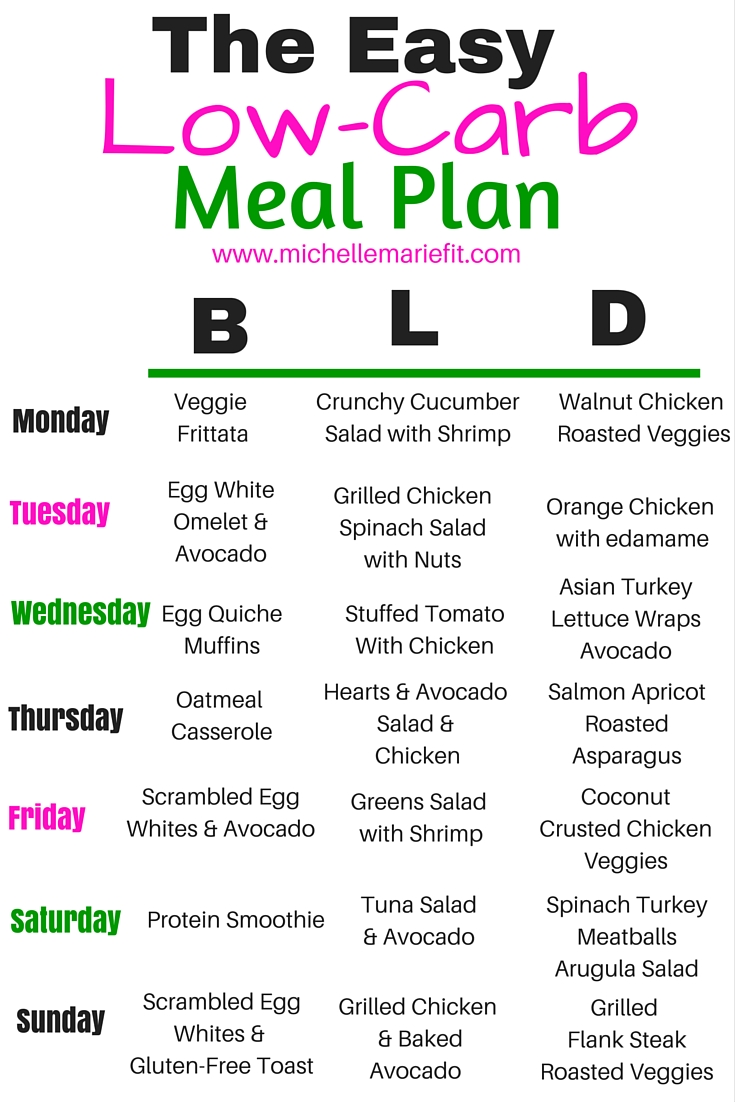
Are you looking to incorporate low-carb meals into your diet? Low-carb meal planning can be a great way to manage weight, improve blood sugar control, and promote overall health. By reducing your carbohydrate intake and focusing on nutrient-dense foods, you can create delicious and satisfying meals that support your health goals. Here are some helpful tips to get started with low-carb meal planning.
1. Stock up on Low-Carb Staples: Fill your pantry with a variety of low-carb staples such as lean proteins (chicken, fish, tofu), non-starchy vegetables (broccoli, spinach, cauliflower), healthy fats (avocado, olive oil), and whole grains in moderation (quinoa, brown rice).
2. Plan Your Meals Ahead: Take some time each week to plan out your meals in advance. This will not only save you time during the week but also help you make healthier choices by avoiding impulsive decisions or relying on takeout options.
3. Embrace Healthy Fats: Incorporating healthy fats into your low-carb meals is essential for satiety and flavor. Avocados, nuts and seeds, olive oil, coconut oil are all excellent sources of healthy fats that can add richness to your dishes while keeping carb content low.
4. Focus on Protein: Including an adequate amount of protein in your meals is crucial for maintaining muscle mass and promoting feelings of fullness. Choose lean sources like chicken breast, turkey breast, fish or seafood to keep saturated fat intake in check.
5. Experiment with Vegetables: Non-starchy vegetables should form the bulk of your low-carb meals. They are packed with essential nutrients while being relatively low in carbohydrates. Get creative by trying new recipes or cooking methods – roasting veggies brings out their natural sweetness!
6. Be Mindful of Portion Sizes: While low-carb eating can be beneficial for weight loss or management goals; portion sizes still matter. Be mindful of how much you’re eating, especially calorie-dense foods like nuts or avocados.
7. Stay Hydrated: Drinking enough water is important for overall health and can also help control appetite. Sometimes we mistake thirst for hunger, so staying hydrated can prevent unnecessary snacking.
8. Plan for Snacks: Preparing low-carb snacks ahead of time can help you avoid reaching for high-carb convenience foods when hunger strikes. Opt for options like hard-boiled eggs, Greek yogurt, or a handful of mixed nuts.
9. Seek Inspiration: Look for low-carb recipes and meal ideas to keep your meals exciting and varied. There are many websites, cookbooks, and social media accounts dedicated to sharing delicious low-carb recipes that will keep you motivated on your healthy eating journey.
10. Listen to Your Body: Ultimately, everyone’s nutritional needs are unique; it’s essential to listen to your body and make adjustments accordingly. If you find yourself feeling sluggish or unsatisfied on a particular low-carb plan, consider consulting with a registered dietitian who can provide personalized guidance.
Incorporating these tips into your meal planning routine can help make low-carb eating more enjoyable and sustainable in the long run. Remember that balance is key – aim for nutrient-dense meals while still allowing yourself occasional treats or higher carb meals if they fit within your overall goals and preferences.

Leave a Reply