Low-Carb Sweeteners on a Keto Diet: A Comprehensive Guide
The ketogenic diet has gained immense popularity as an effective way to shed excess pounds, improve overall health, and boost energy levels. One of the key principles of this low-carb, high-fat diet is to minimize sugar intake. However, cutting out sweet treats entirely can be challenging for many individuals.
Thankfully, there are several low-carb sweeteners available that can satisfy your cravings while keeping you in ketosis. In this comprehensive guide, we will explore some popular options and discuss their suitability for a keto diet.
1. Stevia:
Stevia is derived from the leaves of the stevia plant and has been used as a natural sweetener for centuries. It contains zero calories and does not impact blood sugar levels, making it an excellent choice for those following a keto lifestyle. Additionally, stevia has been shown to have antioxidant properties and may help lower blood pressure.
2. Erythritol:
Erythritol is a sugar alcohol that occurs naturally in certain fruits and fermented foods. It provides sweetness without raising blood glucose or insulin levels significantly. Erythritol also has fewer gastrointestinal side effects compared to other sugar alcohols like xylitol or maltitol.
3. Monk Fruit Extract:
Monk fruit extract comes from the monk fruit native to Southeast Asia. This natural sweetener contains zero calories and does not affect blood sugar levels due to its unique antioxidants called mogrosides. Monk fruit extract can be up to 200 times sweeter than regular table sugar but may have a slightly fruity aftertaste.
4. Allulose:
Allulose is a rare sugar found naturally in small quantities in certain fruits like figs and raisins as well as maple syrup and brown sugar/molasses blends made with allulose-containing ingredients (e.g., Sukrin Gold). It tastes similar to regular table sugar and has only 0.4 calories per gram, making it a popular choice for low-carb baking.
5. Xylitol:
Xylitol is a sugar alcohol commonly found in chewing gum and dental products due to its potential oral health benefits. While xylitol does not spike blood sugar levels significantly, it does have a moderate impact on insulin secretion. It may cause digestive issues if consumed in large quantities, so it’s important to use it sparingly.
6. Stevia-erythritol blends:
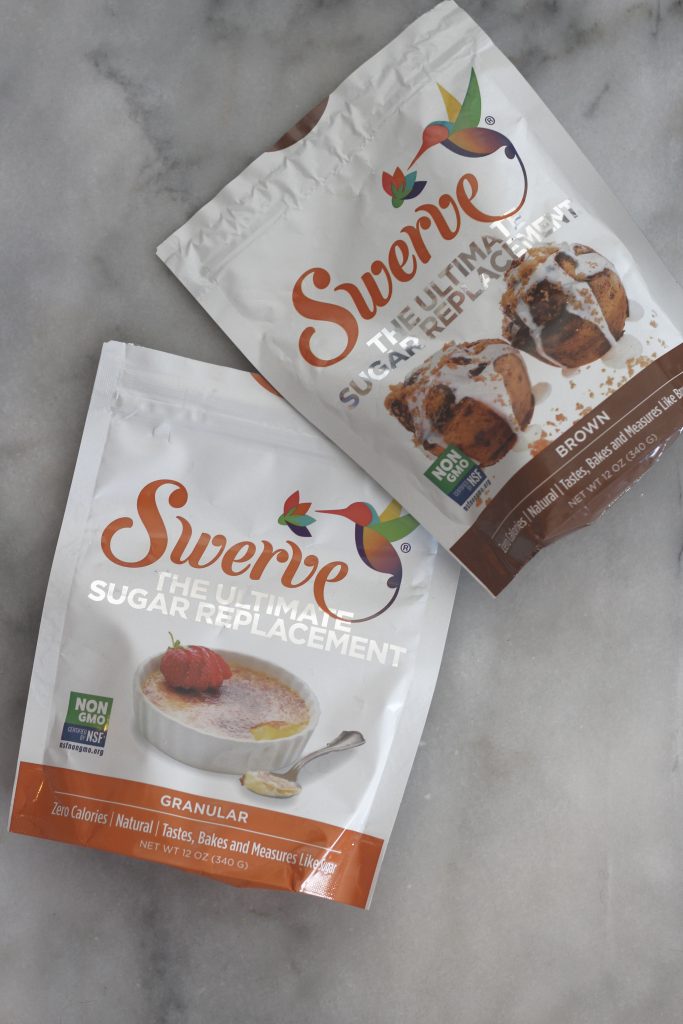
Blends of stevia and erythritol offer the best of both worlds by combining the natural sweetness of stevia with the bulk and texture of erythritol. These blends can be used as a one-to-one replacement for sugar in recipes without any adverse effects on blood glucose or ketosis.
7. Artificial sweeteners:
Artificial sweeteners like sucralose (Splenda) and aspartame (Equal) are highly processed alternatives that provide zero calories but may not align with clean eating principles followed by many individuals on a keto diet. They do not raise blood sugar levels but can still trigger cravings for sweets in some people.
When using low-carb sweeteners on a keto diet, moderation is key. While these options are generally safe, consuming excessive amounts could potentially hinder weight loss or affect gut health negatively.
It’s essential to read labels carefully as some products marketed as “keto-friendly” may contain hidden sugars or fillers that could sabotage your progress. Additionally, individual tolerance to different sweeteners can vary, so listen to your body and adjust consumption accordingly.
In conclusion, incorporating low-carb sweeteners into your keto lifestyle can help you satisfy your cravings while maintaining ketosis. Stevia, erythritol, monk fruit extract, allulose, xylitol, stevia-erythritol blends are all viable options that won’t spike blood sugar levels. Remember to use these sweeteners in moderation and choose high-quality products to support your overall health goals.

Leave a Reply