Research on the Potential Anticancer Properties of Chlorella
In recent years, there has been growing interest in exploring natural compounds that may have potential anticancer properties. One such compound that has gained attention is chlorella, a type of green algae known for its rich nutritional profile and various health benefits. While more research is still needed to fully understand its effects on cancer cells, preliminary studies have shown promising results that suggest chlorella could be a valuable addition to cancer treatment strategies.
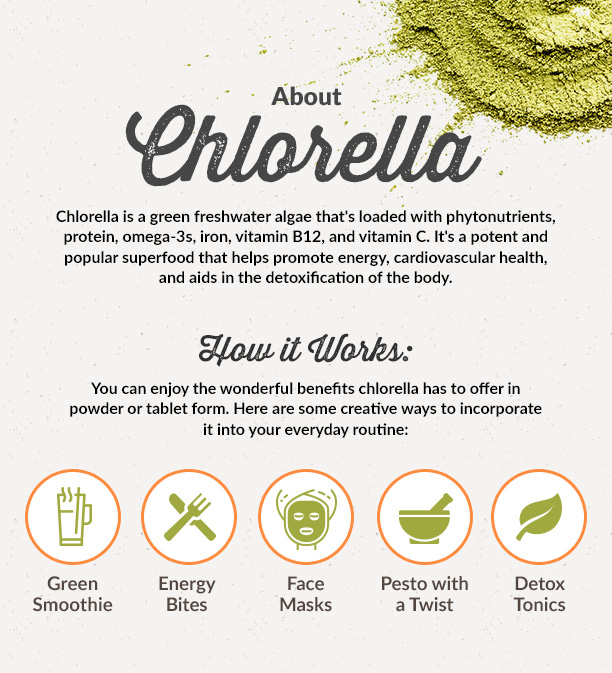
Chlorella is a single-celled freshwater microalgae that contains an array of essential nutrients including vitamins, minerals, antioxidants, proteins, and omega-3 fatty acids. It also contains unique compounds such as chlorophyll and carotenoids which contribute to its vibrant green color. These bioactive components are believed to play a role in chlorella’s potential anticancer activity.
One key aspect of chlorella’s potential anticancer properties lies in its ability to modulate the immune system. The immune system plays a critical role in identifying and eliminating abnormal cells that can potentially develop into tumors. Research suggests that certain compounds found in chlorella may enhance the activity of immune cells involved in tumor surveillance and destruction.
Several studies have investigated the impact of chlorella supplementation on various types of cancer cells both in vitro (in test tubes) and in vivo (in animals). In one study published in Food Chemistry Toxicology, researchers observed that chlorella extract inhibited the growth of human liver cancer cells by inducing apoptosis or programmed cell death. Another study conducted at Japan’s Kagoshima University demonstrated similar findings with breast cancer cells.
Furthermore, it has been suggested that specific molecules present in chlorella may interfere with signaling pathways involved in tumor progression and metastasis – processes crucial for the spread of cancer throughout the body. For instance, research published in Nutritional Journal showed that extracts from Chlorella pyrenoidosa inhibited the migration and invasion of human lung cancer cells by targeting proteins involved in these processes.
In addition to its potential direct effects on cancer cells, chlorella may also help alleviate some side effects associated with conventional cancer treatments. Chemotherapy and radiation therapy often lead to oxidative stress and inflammation, which can further damage healthy tissues. Chlorella’s antioxidant properties have been shown to reduce oxidative stress markers in animal studies, suggesting it may help protect normal cells from the harmful effects of these treatments.
Moreover, chlorella has been found to support detoxification pathways in the body. Detoxification is crucial during cancer treatment as it helps eliminate toxic compounds that accumulate due to chemotherapy or other therapies. Animal studies have indicated that chlorella supplementation enhances liver function and increases the excretion of heavy metals, thereby aiding in detoxification processes.
While research on chlorella’s anticancer properties looks promising, it is important to note that most studies have been conducted in vitro or using animal models. Human clinical trials are still limited but are gradually emerging. Therefore, more comprehensive research is needed before firm conclusions can be drawn about its efficacy as a standalone treatment for cancer.
It is worth mentioning that chlorella should not be considered a replacement for conventional cancer treatments such as surgery, chemotherapy, or radiation therapy. Instead, it could potentially serve as a supportive adjunct therapy alongside these standard approaches.
When considering incorporating chlorella into your diet or supplement regimen during cancer treatment or prevention strategies, it is vital to consult with healthcare professionals familiar with your individual medical history and ongoing treatment plan. They can provide personalized advice based on your specific needs while ensuring there are no potential interactions or contraindications.
In conclusion, preliminary research suggests that chlorella possesses several bioactive compounds that may exhibit anticancer properties by modulating immune function and interfering with tumor growth signaling pathways. Its ability to reduce oxidative stress and support detoxification mechanisms further highlights its potential as a valuable adjunct to conventional cancer treatments. However, further research is necessary to validate these findings and determine optimal dosages and treatment protocols.

Leave a Reply