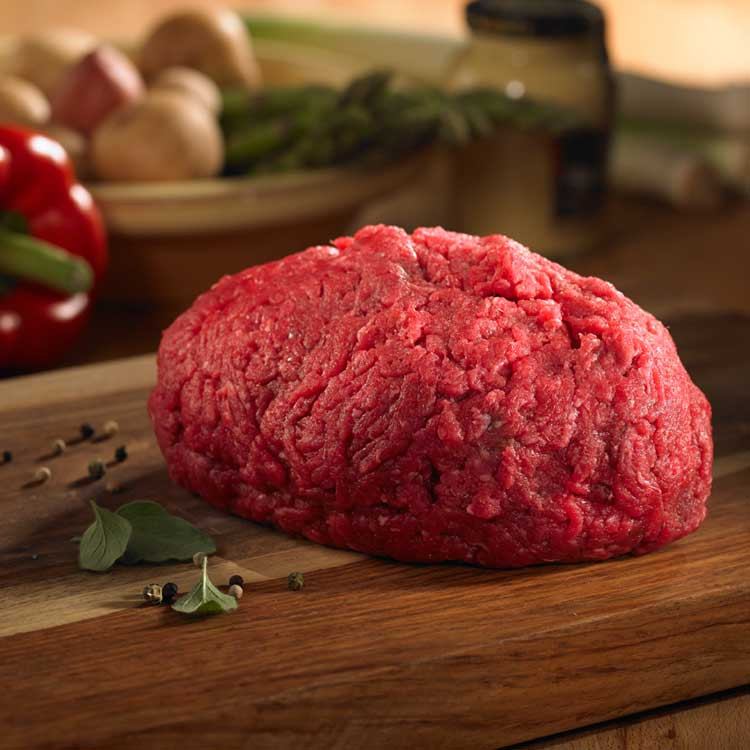
Bison Meat: A Healthy and Delicious Alternative
In recent years, there has been a growing interest in alternative sources of protein that are both healthy and sustainable. One such option that has gained popularity is bison meat. Known for its rich flavor, lean profile, and nutritional benefits, bison meat is becoming a favorite among health-conscious individuals. In this article, we will explore the many reasons why bison meat should be considered as part of a healthy eating plan.
1. Nutritional Profile
When it comes to nutrition, bison meat stands out from other types of red meat. It is low in fat and calories while being high in protein and essential nutrients. A 3-ounce serving of cooked bison provides approximately 143 calories, 22 grams of protein, only 2 grams of fat (with just 0.8 gram saturated fat), and no carbohydrates or sugar. Additionally, it contains important vitamins and minerals such as vitamin B12, iron, zinc, selenium, niacin (vitamin B3), phosphorus, and omega-3 fatty acids.
2. Lower Fat Content
Compared to beef or pork counterparts, bison meat is significantly lower in fat content while still delivering on taste. The lean nature of bison makes it an excellent choice for those watching their caloric intake or aiming to reduce unhealthy fats in their diet without sacrificing flavor or texture.
3. High Protein Content
Protein plays a crucial role in building muscle mass and repairing body tissues; therefore incorporating adequate amounts into our diets is essential for overall health. Bison meat offers a substantial amount of high-quality protein necessary for these functions.
4. Omega-3 Fatty Acids
Omega-3 fatty acids are known for their numerous health benefits including reducing inflammation throughout the body and contributing to heart health by lowering cholesterol levels. While fish has long been hailed as the primary source of omega-3s due to its high content of EPA and DHA, bison meat surprisingly contains a small but notable amount of these essential fatty acids.
5. Iron-Rich
Iron is an essential mineral that aids in the delivery of oxygen to cells and plays a vital role in maintaining energy levels. Bison meat is an excellent source of iron, providing about 2.6 milligrams per 3-ounce serving. This makes it particularly beneficial for individuals at risk of iron deficiency or those with higher iron needs such as pregnant women or athletes.
6. Sustainable and Ethical Choice
Choosing bison meat also aligns with sustainability efforts and ethical practices when it comes to food consumption. Unlike factory farming methods often used in beef production, bison are mostly grass-fed and free-range animals, resulting in less environmental impact and healthier meat options for consumers. Additionally, their natural grazing habits help maintain grasslands’ biodiversity while supporting sustainable agriculture practices.
7. Versatile Cooking Options
Bison meat can be prepared using various cooking methods including grilling, roasting, stewing, or sautéing. Its distinct flavor adds depth to recipes ranging from burgers and steaks to chili or stir-fried dishes. Thanks to its low fat content, it’s important not to overcook bison meat since it can easily dry out; however, proper cooking techniques will ensure tender and juicy results.
8. Sourcing Bison Meat
When purchasing bison meat products, it is crucial to consider the sourcing practices and opt for reputable suppliers who prioritize animal welfare standards along with sustainable land management principles. Look for labels indicating organic certification or third-party verification systems that ensure transparency throughout the supply chain.
9. Availability
While bison may not be as readily available as traditional meats like beef or chicken at every grocery store, its popularity has been steadily rising over recent years leading to increased availability both online and offline through specialty butcher shops or farmers markets specializing in locally sourced products. Additionally, many restaurants are now featuring bison meat on their menus, offering a chance to try it before cooking it at home.
10. Considerations and Allergies
Although bison meat is generally well-tolerated by most individuals, it’s important to note that allergies or sensitivities may still exist. As with any new food introduction, it’s advisable to start with small portions and monitor your body’s reaction. If you have specific dietary restrictions or health concerns, consulting with a healthcare professional or registered dietitian is recommended.
In conclusion, bison meat provides an excellent alternative for those looking for a healthier protein source without compromising taste or nutritional benefits. With its low fat content, high protein profile, essential nutrients like iron and omega-3 fatty acids, and ethical sourcing practices, adding bison meat to your diet can be both delicious and beneficial for your overall well-being. So why not give this lean red meat a try? Your taste buds and body will thank you!

Leave a Reply