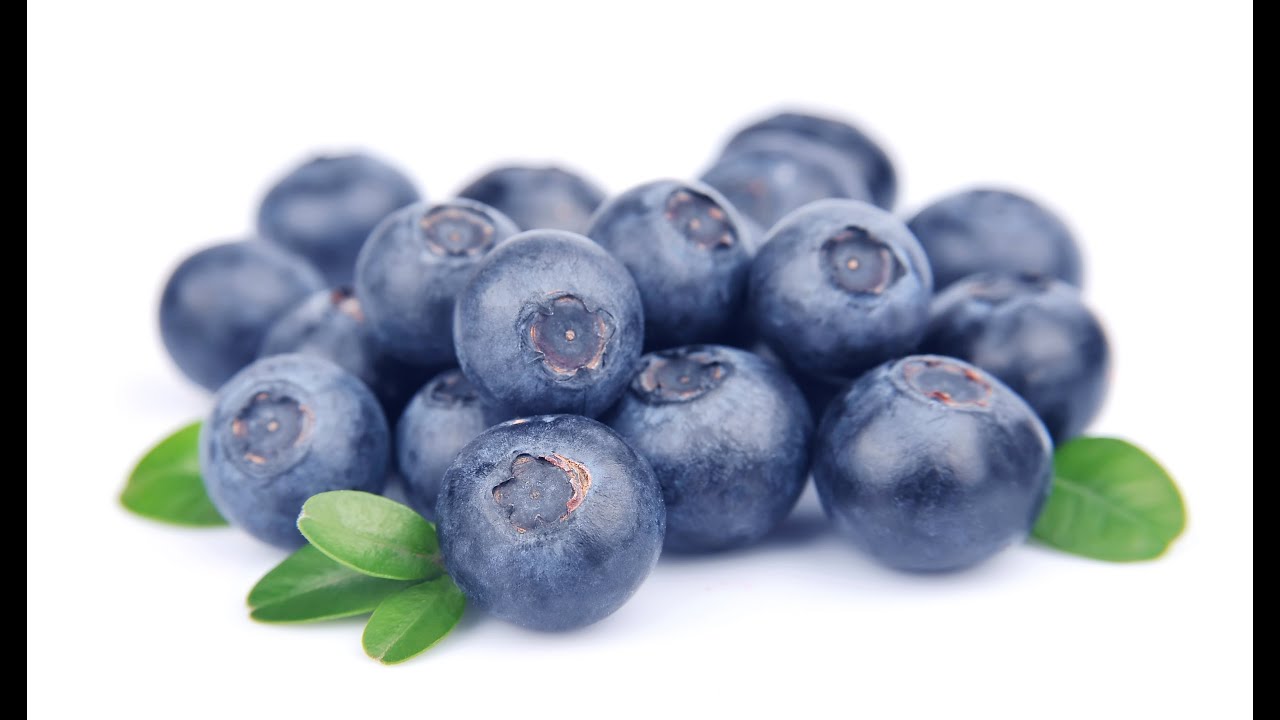
Blueberries and Cancer Prevention: A Powerful Duo for a Healthy Body
Introduction:
When it comes to maintaining good health, consuming a balanced diet is key. Including nutrient-rich foods like blueberries can provide numerous benefits, including the potential to prevent certain types of cancer. These small and mighty berries are packed with antioxidants and other compounds that have been linked to cancer prevention. In this case study, we will explore the scientific evidence supporting the role of blueberries in reducing the risk of cancer.
Understanding Cancer:
Cancer is a complex disease characterized by uncontrolled cell growth. It can affect various parts of the body and has different forms, such as breast, lung, prostate, colon, and skin cancer. While genetics play a role in determining an individual’s susceptibility to cancer, lifestyle factors also significantly contribute to its development.
The Role of Antioxidants:
Antioxidants are compounds that help protect our cells from damage caused by free radicals – unstable molecules produced during normal bodily processes or exposure to environmental factors like tobacco smoke or radiation. Oxidative stress occurs when there’s an imbalance between free radicals and antioxidants in our bodies.
Multiple studies suggest that oxidative stress plays a crucial role in initiating and promoting tumor growth. By neutralizing free radicals, antioxidants minimize cell damage and reduce the risk of DNA mutations leading to abnormal cell growth – one of the hallmarks of cancer development.
Blueberries: A Nutritional Powerhouse:
Blueberries are often referred to as “superfoods” due to their wide range of beneficial nutrients. They contain high amounts of vitamins C and K as well as dietary fiber while being low in calories.
However, what sets blueberries apart from other fruits is their exceptional antioxidant content. Blueberries are rich in flavonoids called anthocyanins – pigments responsible for their deep blue color. Anthocyanins have demonstrated strong antioxidant properties both in vitro (in lab studies) and animal models.
Scientific Evidence on Blueberries and Cancer Prevention:
Numerous studies have investigated the potential anti-cancer effects of blueberries. While most of this research has been conducted in lab settings or animal models, the results are promising.
1. Breast Cancer:
A study published in the Journal of Nutrition showed that mice fed a diet supplemented with blueberry powder had reduced tumor size and number compared to control groups. The researchers attributed these findings to the antioxidant properties of blueberries.
2. Colon Cancer:
In a study published in Carcinogenesis, rats exposed to a colon carcinogen were given diets containing either 5% or 10% freeze-dried whole blueberry powder. The group consuming the higher dose experienced significantly fewer pre-cancerous lesions than those on regular diets.
3. Prostate Cancer:
Research published in Molecular Nutrition & Food Research found that blueberry extract inhibited the growth and spread of prostate cancer cells in laboratory tests. The study concluded that blueberries could be considered as part of dietary strategies for managing prostate cancer progression.
4. Skin Cancer:
Several studies have suggested that consuming foods rich in antioxidants, including blueberries, may help protect against skin cancer caused by harmful UV radiation from sunlight.
Mechanisms Behind Blueberries’ Anti-Cancer Effects:
While more research is needed to fully understand how exactly blueberries exert their anticancer effects, scientists have proposed several mechanisms based on current knowledge:
1. Antioxidant Activity: As mentioned earlier, anthocyanins present in blueberries act as potent antioxidants, neutralizing free radicals and reducing oxidative stress.
2. Anti-Inflammatory Properties: Chronic inflammation can contribute to tumor development and progression. Blueberries contain compounds with anti-inflammatory properties that may help reduce cancer risk by suppressing excessive inflammation.
3. Induction of Apoptosis: Apoptosis is a natural process where damaged or abnormal cells self-destruct instead of proliferating uncontrollably into tumors. Some studies suggest that blueberries may promote apoptosis in cancer cells, inhibiting their growth.
Conclusion:
While blueberries alone cannot guarantee protection against cancer, there’s growing evidence to suggest that they can play a significant role in reducing the risk of certain types of cancer. Incorporating these delicious berries into your diet is an easy and enjoyable way to provide your body with essential nutrients and potent antioxidants. Remember, a healthy lifestyle goes beyond just one food item – it includes regular exercise, avoiding tobacco and excessive alcohol consumption, maintaining a healthy weight, and consuming a well-rounded diet rich in fruits, vegetables, whole grains, lean proteins, and healthy fats. So why not start adding some blueberry goodness to your meals today? Your body will thank you!

Leave a Reply