Gluten-Free: What You Need to Know
In recent years, the gluten-free diet has gained immense popularity and become a major trend in the world of healthy eating. But what exactly is gluten, and why are so many people choosing to eliminate it from their diets? In this article, we will delve into the details of gluten and explore its effects on our health. Whether you have celiac disease or simply want to try a new dietary approach, understanding the basics of going gluten-free is essential.
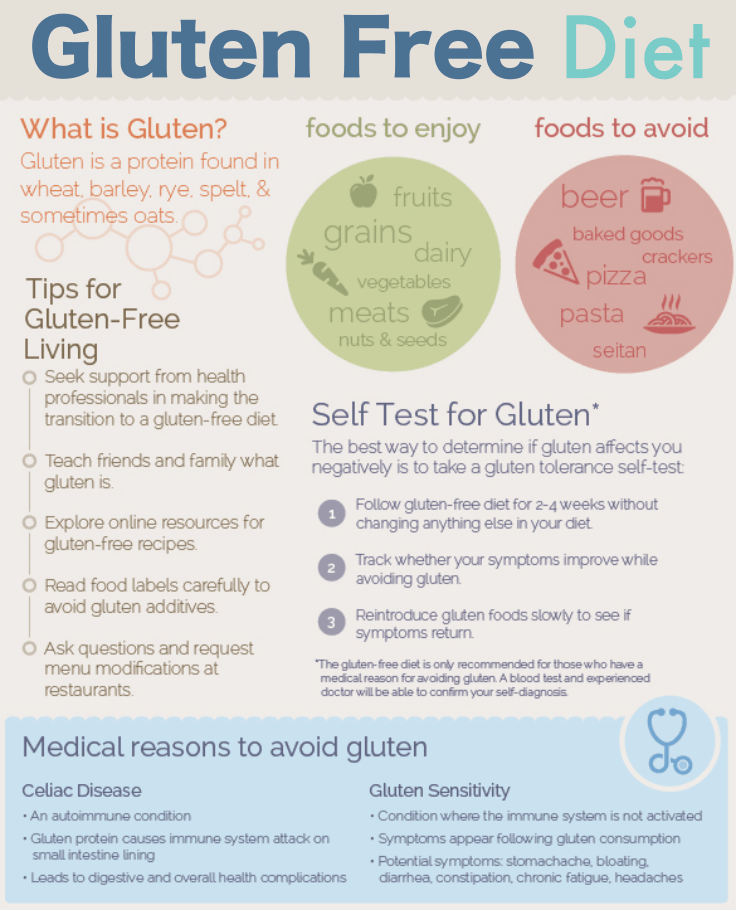
To start with, let’s define what gluten actually is. Gluten is a protein found in wheat, barley, rye, and triticale. It acts as a glue-like substance that helps food maintain its shape by providing elasticity and texture. However, for some individuals with certain medical conditions like celiac disease or non-celiac gluten sensitivity (NCGS), consuming even small amounts of gluten can lead to various health problems.
Celiac disease is an autoimmune disorder where the ingestion of gluten triggers an immune response that damages the lining of the small intestine over time. This damage impairs nutrient absorption and can result in symptoms such as abdominal pain, bloating, diarrhea or constipation, fatigue, weight loss/gain issues, skin rashes like dermatitis herpetiformis (DH), and even neurological symptoms like headaches or brain fog. For those diagnosed with celiac disease or NCGS under medical supervision, following a strict gluten-free diet is necessary for managing their condition effectively.
However, it’s worth noting that going gluten-free isn’t just limited to these specific medical conditions. Many people choose to adopt this lifestyle due to perceived health benefits such as improved digestion or increased energy levels. While there isn’t enough scientific evidence supporting these claims for individuals without celiac disease or NCGS since research on this topic is still ongoing; some anecdotal reports suggest positive outcomes from eliminating gluten from their diets.
If you’re considering going gluten-free, it’s important to be aware that removing gluten from your diet involves more than just avoiding obvious sources like bread and pasta. Gluten can hide in various processed foods such as sauces, dressings, soups, and even some medications or supplements. Reading labels carefully is crucial to ensure you’re not inadvertently consuming hidden sources of gluten.
Fortunately, there are plenty of naturally gluten-free alternatives available that can help you maintain a balanced and nutritious diet. These include whole grains like rice, quinoa, millet, and buckwheat; fruits and vegetables; lean proteins like poultry, fish, beans; dairy products (unless lactose intolerant); nuts; seeds; and legumes. By focusing on these food groups instead of relying on processed gluten-free products which may contain additives or excessive sugar/fat content, you can create a varied and wholesome meal plan.
In conclusion, while the popularity of the gluten-free diet continues to rise steadily across the globe for various reasons ranging from medical necessity to personal preference or experimentation with alternative eating patterns – it’s essential to approach this lifestyle change with caution. If you suspect you have celiac disease or NCGS symptoms or want to try a gluten-free diet for other health concerns under professional guidance is recommended. Remember that proper nutrition is key regardless of whether you choose to include or exclude any specific ingredient from your meals.

Leave a Reply