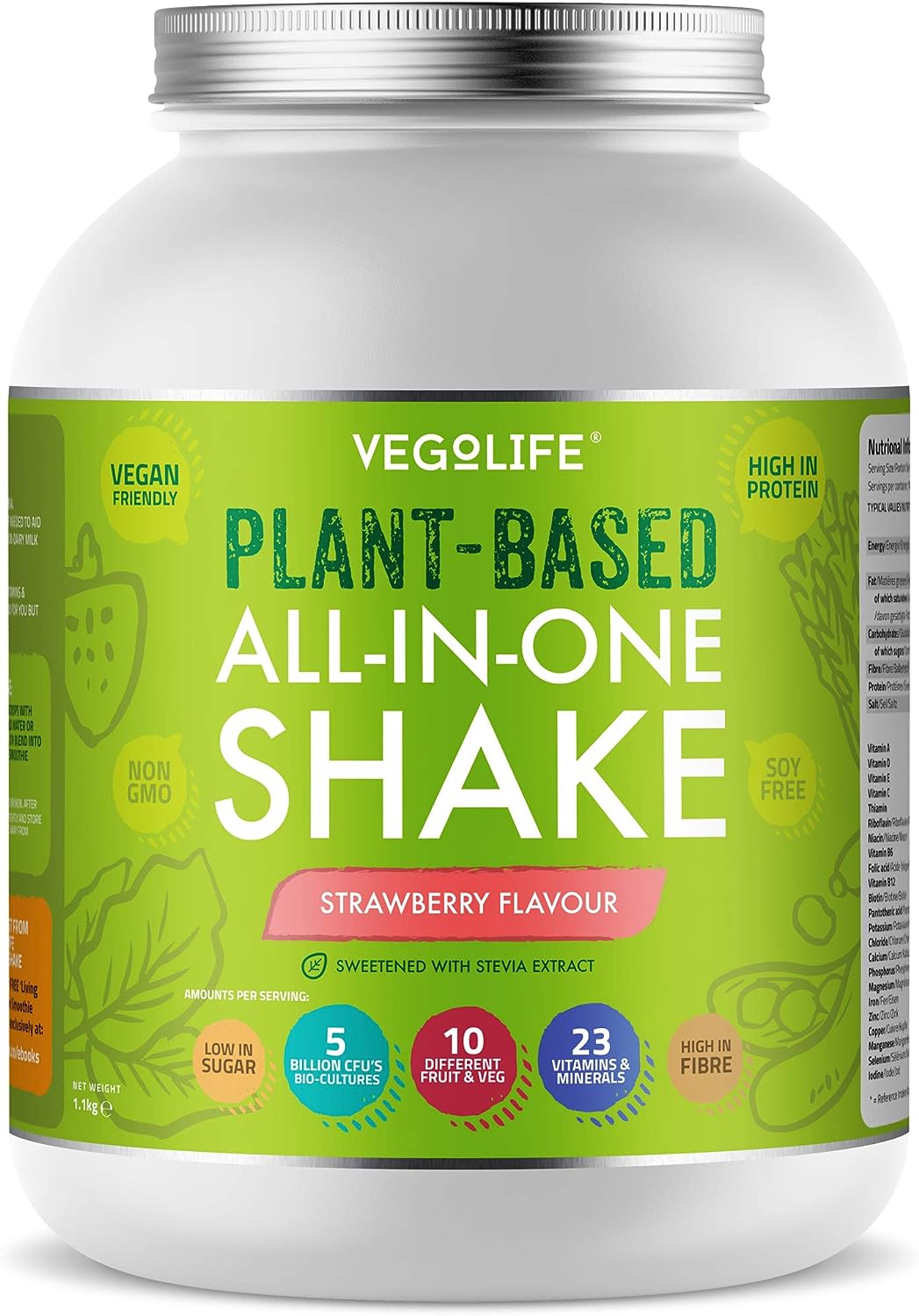
Protein Powder for Vegetarians/Vegans: A Comprehensive Guide
In recent years, there has been a growing interest in vegetarian and vegan diets. With the rise of plant-based lifestyles, finding adequate sources of protein has become essential for those who choose to abstain from animal products. Protein powders have emerged as a popular supplement to meet these dietary needs, providing an easy and convenient way to boost protein intake. In this article, we will explore the different types of protein powder available for vegetarians and vegans, their benefits, potential drawbacks, and how to incorporate them into your diet effectively.
1. Why Do Vegetarians/Vegans Need Protein Powder?
Protein plays a crucial role in our bodies by repairing tissues, supporting immune function, building muscle mass, and maintaining healthy hair and nails. While it is possible to obtain sufficient protein from plant-based sources like legumes, tofu, tempeh, quinoa, nuts, seeds, and whole grains; some individuals may find it challenging to consume enough protein solely through their diet due to various reasons such as dietary restrictions or increased physical activity levels.
This is where protein powder comes in handy – it offers concentrated amounts of high-quality protein without the hassle of preparing elaborate meals or consuming excessive calories.
2. Different Types of Protein Powder:
a) Soy Protein:
Soy protein is one of the most common options for vegetarians/vegans due to its complete amino acid profile. It contains all nine essential amino acids that our bodies cannot produce on their own. Moreover, soy protein powder is rich in antioxidants known as isoflavones that have shown potential health benefits including reducing inflammation and improving heart health.
b) Pea Protein:
Pea protein powder has gained popularity among vegetarians/vegans because it is hypoallergenic (low allergenic potential). Made from yellow split peas or green peas (Pisum sativum), pea protein is a great source of iron, B-vitamins, and branched-chain amino acids (BCAAs) that aid in muscle recovery. Additionally, it has been found to promote satiety and support weight loss.
c) Rice Protein:
Rice protein powder is derived from brown rice and offers an alternative for individuals with soy or pea allergies. While it may not be as high in certain amino acids as soy or whey protein, it still provides a decent amount of essential amino acids such as cysteine and methionine. Rice protein powder is easily digestible and suitable for those with sensitive stomachs.
d) Hemp Protein:
Hemp protein powder is made from hemp seeds and is highly regarded for its nutritional benefits. It contains all nine essential amino acids, including a good balance of omega-3 and omega-6 fatty acids. Additionally, hemp protein powder provides fiber, magnesium, iron, zinc, and phosphorus — making it an excellent choice for overall health support.
3. Choosing the Right Protein Powder:
When selecting a protein powder suitable for vegetarians/vegans, consider the following factors:
a) Ingredient Quality: Look for products made from organic ingredients without artificial additives or fillers.
b) Amino Acid Profile: Ensure that the chosen product contains all nine essential amino acids.
c) Nutritional Content: Check if the product aligns with your dietary goals by reviewing macronutrient ratios (protein-to-carbohydrate ratio).
d) Taste & Texture: Opt for samples or trial sizes to find a flavor you enjoy; otherwise, you may struggle to incorporate it into your routine.
4. Benefits of Protein Powder:
a) Convenience: Protein powders are quick to prepare – simply mix them with water or add them to smoothies/baked goods depending on personal preference.
b) Increased Muscle Recovery: Consuming adequate amounts of protein post-workout helps repair muscles faster, reducing soreness and promoting overall recovery.
c) Weight Management: Protein is known for its satiating effect. By incorporating protein powder into your meals or snacks, you’ll feel fuller for longer and may be less inclined to overeat.
d) Nutrient Boost: Many protein powders are fortified with additional vitamins and minerals, providing a well-rounded nutritional profile.
5. Potential Drawbacks of Protein Powder:
a) Digestive Issues: Some individuals may experience bloating, gas, or digestive discomfort when consuming certain types of protein powders due to the presence of specific fibers or allergens. Experimenting with different brands or types can help identify which works best for you.
b) Allergies/Sensitivities: If you have known allergies or sensitivities to certain ingredients like soy or peas, it’s crucial to read labels carefully before purchasing a protein powder.
c) Cost: High-quality plant-based protein powders can sometimes be more expensive than their whey counterparts. However, comparing prices and considering the value provided by each product can help make an informed decision.
6. Incorporating Protein Powder Into Your Diet:
a) Smoothies/Shakes: One of the most popular ways to consume protein powder is by blending it into smoothies along with fruits, vegetables, nut butter, milk alternatives (like almond milk), and other desired ingredients.
b) Baked Goods/Snacks: You can add protein powder to homemade energy bars, muffins, cookies, pancakes/waffles batter—boosting their nutritional content while adding flavor.
c) Oatmeal/Yogurt Toppings: Sprinkle some protein powder on top of your oatmeal or mix it into yogurt for a quick breakfast packed with nutrients.
d) Protein-Rich Pancakes/Waffles/Breads: Replace some flour in pancake/waffle/bread recipes with plant-based protein powder to increase their overall protein content without sacrificing taste.
7. Dosage and Timing:
The recommended daily protein intake varies depending on factors such as age, sex, weight, and activity level. As a general guideline, aim for 0.8-1 gram of protein per kilogram of body weight. Protein powder can be consumed at any time during the day; however, consuming it within 30 minutes post-workout may enhance muscle recovery.
8. Conclusion:
Protein powder is an excellent option for vegetarians/vegans to ensure they are meeting their protein needs adequately. With various types available on the market today, individuals have plenty of options to choose from based on personal preferences and dietary requirements.
Remember to prioritize high-quality ingredients and consider taste when selecting a protein powder that suits your lifestyle. By incorporating this versatile supplement into your diet creatively, you can enjoy the benefits of increased protein intake while maintaining a vegetarian or vegan lifestyle.
Always consult with a healthcare professional or registered dietitian before making significant changes to your diet or starting any new supplementation regimen.

Leave a Reply