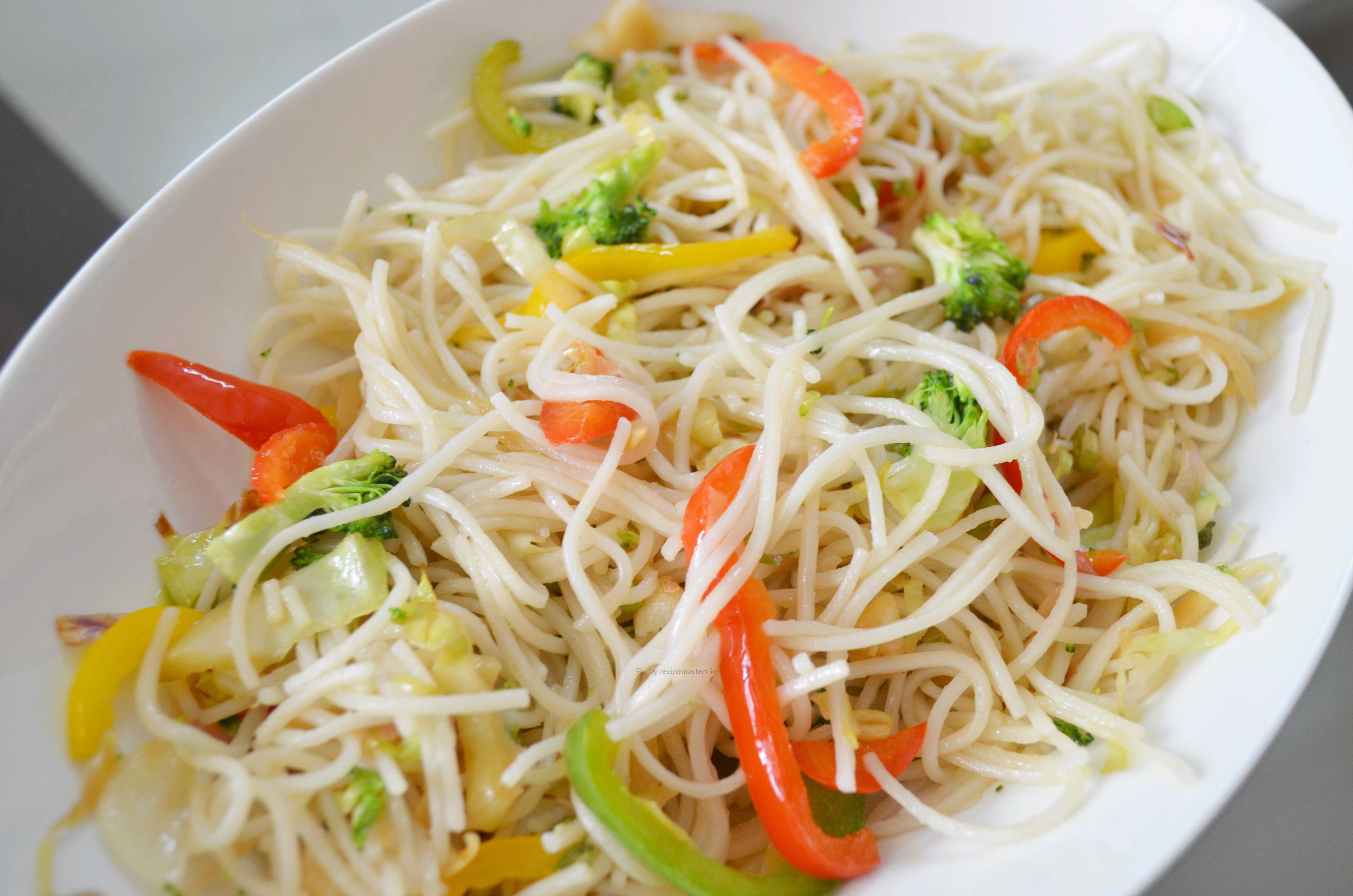
Vegetable Noodles: A Healthy Pasta Replacement
Introduction:
In recent years, there has been a growing trend towards healthier eating habits, with people seeking alternatives to traditional pasta dishes. One such alternative that has gained popularity is vegetable noodles. Made from various vegetables like zucchini, carrots, and sweet potatoes, these noodles offer a nutritious and low-carb option for those looking to reduce their pasta intake. In this article, we will explore the benefits of vegetable noodles as a pasta replacement and provide some tips on how to incorporate them into your diet.
What are Vegetable Noodles?
Vegetable noodles, also known as “veggie noodles” or “zoodles,” are thin strips or spirals of vegetables that resemble traditional pasta. They can be created using different kitchen tools such as spiralizers, mandolines, or even julienne peelers. The most commonly used vegetables for making noodle-like strands include zucchini (courgette), carrots, sweet potatoes, butternut squash, and beets.
Benefits of Vegetable Noodles:
1. Nutrient-Rich:
One major advantage of vegetable noodles is their high nutrient content. Unlike refined wheat pasta which lacks essential vitamins and minerals due to processing methods, vegetable noodles retain the natural goodness found in fresh produce. For example, zucchini noodles are rich in vitamin C while carrot noodles provide beta-carotene – an antioxidant important for eye health.
2. Low in Calories:
Another benefit of veggie noodles is their low-calorie count compared to traditional pasta made from grains. This makes them an excellent choice for individuals who are watching their calorie intake or trying to lose weight without sacrificing taste or volume in their meals.
3. Low-Carb Alternative:
For those following a low-carbohydrate diet or managing conditions like diabetes where carb control is crucial; vegetable noodles offer a perfect substitute for regular wheat-based pastas which tend to be high in carbohydrates. By replacing pasta with veggie noodles, you can significantly reduce your carb intake while still enjoying a satisfying and delicious meal.
4. Increased Fiber Intake:
Vegetable noodles are an excellent way to increase your dietary fiber intake. Fiber is essential for maintaining a healthy digestive system, preventing constipation, and promoting satiety. Regular consumption of vegetables in noodle form can help ensure that you meet your daily fiber requirements.
5. Versatile and Customizable:
One of the great things about vegetable noodles is their versatility in terms of flavor combinations and cooking methods. You can sauté them lightly for a crunchy texture or blanch them quickly for a softer bite. They work well with various sauces, such as marinara, pesto, or creamy Alfredo – making it easy to create endless variations to suit your taste preferences.
How to Make Vegetable Noodles:
Now that we understand the benefits of vegetable noodles let’s dive into how you can make them at home:
1. Choose Your Vegetables:
Select fresh vegetables like zucchini (courgette), carrots, sweet potatoes, butternut squash, or beets depending on the type of noodle you desire. Ensure they are firm and free from any blemishes.
2. Prepare the Vegetables:
Wash the vegetables thoroughly under running water and pat dry using a clean kitchen towel or paper towels. For zucchini noodles, trim off both ends before spiralizing using a spiralizer tool or julienne peeler.
3. Cooking Methods:
There are several ways to cook vegetable noodles based on personal preference:
– Sauté: Heat some olive oil in a pan over medium heat; add your chosen veggie noodles and cook for 2-3 minutes until slightly softened but still al-dente.
– Blanch: Bring a pot of salted water to boil; add your veggie noodles and cook for 1-2 minutes until tender-crisp. Drain and rinse under cold water to halt the cooking process.
– Raw: If you prefer a raw preparation, simply toss the vegetable noodles with your desired sauce or dressing and let them marinate for a few minutes before serving.
4. Flavoring:
Season your vegetable noodles according to your taste preferences. You can add herbs like basil or parsley, sprinkle with parmesan cheese, or drizzle with lemon juice to enhance the flavors.
Incorporating Vegetable Noodles into Your Diet:
Now that you know how to make vegetable noodles let’s explore some ways of incorporating them into your diet:
1. Replace Pasta in Traditional Dishes:
Swap out traditional pasta in dishes such as spaghetti Bolognese, carbonara, or pesto pasta with zucchini noodles (zoodles) for a healthier twist. The veggie noodles will absorb the flavors from the sauce while reducing calorie intake.
2. Asian-Inspired Stir-Fries:
Create delicious Asian-inspired stir-fries by using carrot or sweet potato noodles instead of rice or egg noodles. Combine them with lean protein like tofu, chicken breast, shrimp, or beef along with an assortment of colorful vegetables for a well-balanced meal.
3. Salads and Bowls:
Add vegetable noodles to salads and bowls to increase their nutritional value and create interesting textures. Spiralize beetroot for vibrant salads or use butternut squash spirals as a base for grain-free Buddha bowls.
4. Soups and Stews:
Enhance soups and stews by substituting traditional pasta shapes with veggie noodles made from carrots or zucchini. They not only provide added nutrients but also add visual appeal to your bowl of comfort food.
Conclusion:
Vegetable noodles offer an excellent alternative to traditional wheat-based pastas without compromising on taste or satisfaction levels. With their nutrient-rich profile, low-calorie count, versatility in flavor combinations, and customizable cooking methods; veggie noodles are a healthy addition to any diet. Whether you’re looking to reduce your carb intake, increase your vegetable consumption, or experiment with new dishes, vegetable noodles are worth exploring. So grab your spiralizer and start creating delicious meals that will leave you feeling nourished and satisfied!

Leave a Reply