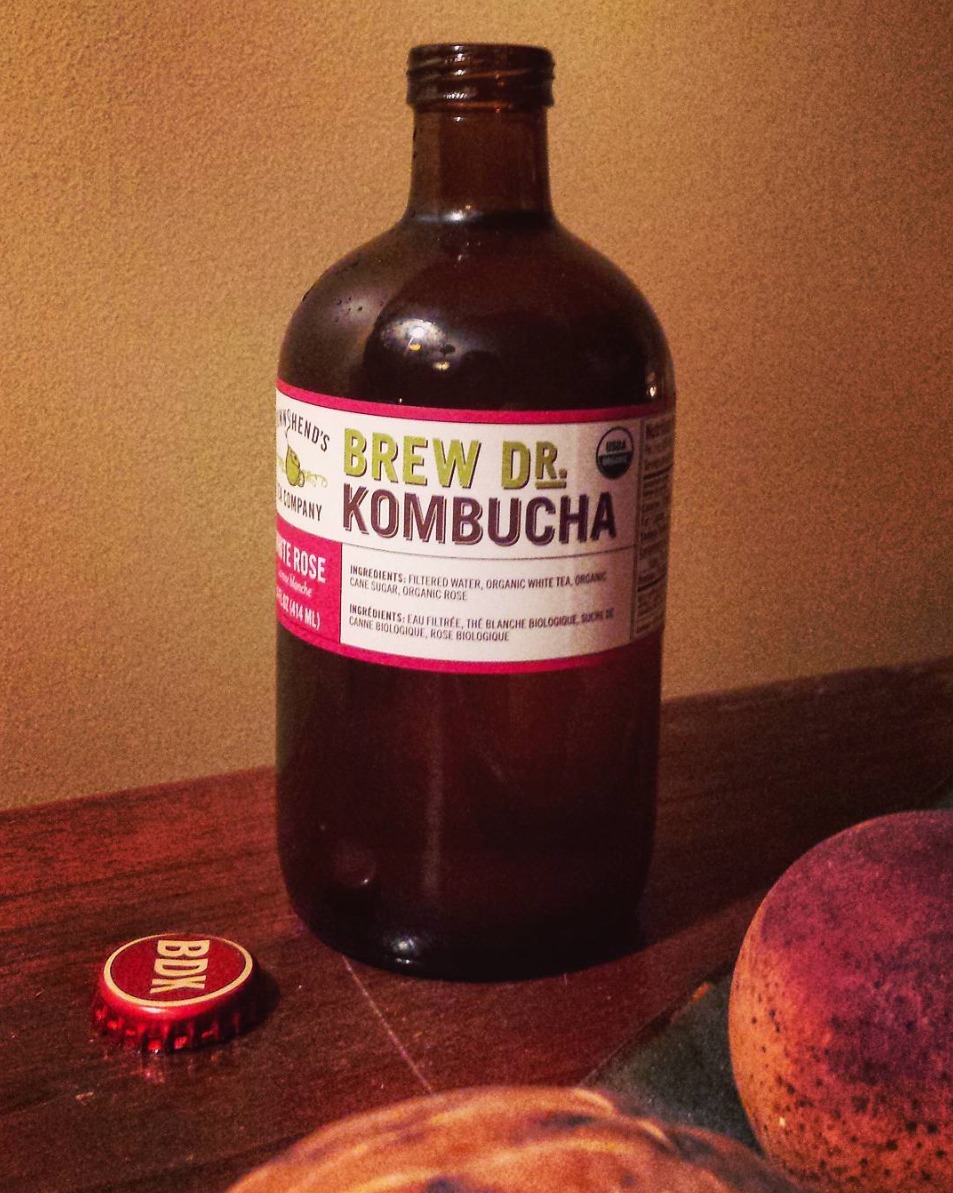
Kombucha Brewing in India: Exploring the Ancient Elixir
Introduction
In recent years, there has been a growing interest in natural and healthy beverages. One such drink that has gained popularity is kombucha. Originally hailing from China, this fermented tea beverage has made its way to different corners of the globe, including India. Combining ancient traditions with modern health trends, kombucha brewing in India is on the rise as people seek out this probiotic-rich elixir.
What is Kombucha?
Kombucha is a tangy and slightly effervescent beverage made by fermenting sweetened tea using a symbiotic culture of bacteria and yeast (SCOBY). This gelatinous disc-like SCOBY consumes the sugar in the tea during fermentation, resulting in a lightly fizzy drink with various health benefits.
The History of Kombucha
Although its precise origins are unclear, it is believed that kombucha originated over 2,000 years ago in Northeastern China or Manchuria. It was known as “The Tea of Immortality” due to its numerous health-promoting properties. From there, it spread across Asia and eventually reached Russia and Eastern Europe.
In recent decades, kombucha has gained popularity worldwide as an alternative to sugary soft drinks. Today, it can be found not only in health food stores but also on supermarket shelves.
Kombucha Culture in India
India has always had a rich tradition of fermented foods and beverages like yogurt-based lassi or idli/dosa batter prepared using naturally occurring probiotics. Therefore, it comes as no surprise that kombucha brewing would find its place within Indian culinary practices.
Several small businesses have emerged across the country dedicated to producing high-quality kombuchas using locally sourced ingredients. These artisanal brewers experiment with unique flavor combinations by infusing traditional Indian spices or fruits into their brews.
Health Benefits of Kombucha
Kombucha is often touted as a health elixir due to its potential benefits. While scientific research on kombucha is still limited, anecdotal evidence suggests the following advantages:
1. Probiotics: Kombucha contains live bacteria and yeast strains that can help improve gut health by promoting a healthy balance of microorganisms.
2. Antioxidants: The fermentation process in kombucha produces various bioactive compounds such as polyphenols, which act as antioxidants and may have anti-inflammatory properties.
3. Detoxification: Some proponents claim that kombucha aids in detoxifying the liver by supporting its natural detox processes, although more research is needed to substantiate these claims.
4. Improved Digestion: The probiotics in kombucha may assist in improving digestion and nutrient absorption, leading to better overall digestive health.
Kombucha Brewing Process
To brew kombucha at home or commercially, one needs a SCOBY (also known as “the mother”) along with black or green tea leaves and sugar. Here’s an overview of the brewing process:
1. Prepare sweet tea: Boil water and steep tea leaves for 5-10 minutes before adding sugar to dissolve completely.
2. Cool down the sweetened tea: Allow the tea mixture to cool down completely before proceeding further; otherwise, it may harm the SCOBY culture.
3. Add the SCOBY: Gently place the SCOBY into a sterilized glass vessel containing cooled sweetened tea.
4. Fermentation period: Cover the vessel with a breathable cloth or coffee filter secured with a rubber band to allow air circulation while keeping out bugs and dust. Leave it undisturbed for 7-14 days at room temperature away from direct sunlight until fermentation occurs.
5. Flavor infusion (optional): After primary fermentation, flavorings like fruits, herbs, spices can be added during secondary fermentation for enhanced taste profiles.
6. Bottle and refrigerate: Once desired flavors have developed, strain the kombucha and transfer it to airtight bottles. Store in the refrigerator to slow down fermentation.
Challenges and Potential Future
While kombucha brewing is gaining traction in India, there are a few challenges that need to be addressed:
1. Lack of standardized regulations: Currently, there are no specific regulations governing the production and sale of kombucha in India. Establishing clear guidelines would ensure quality control and consumer safety.
2. Limited awareness: Despite its ancient roots, kombucha is still relatively unknown to many Indians. Increased awareness campaigns can help educate people about its health benefits and encourage them to try this fermented beverage.
3. Accessibility: Kombucha may not be readily available in all regions of India due to distribution limitations. Expanding production facilities and improving supply chains could make it more accessible across the country.
Conclusion
Kombucha brewing has found its place among Indian consumers seeking healthier alternatives to sugary beverages. With an array of flavors influenced by traditional spices and fruits, artisanal brewers are adding their own unique touch to this ancient elixir.
While scientific research on kombucha’s health benefits is ongoing, many believe that incorporating this probiotic-rich drink into their routine enhances overall well-being. As awareness spreads and accessibility increases, we can expect kombucha brewing in India to continue flourishing as part of the nation’s vibrant culinary landscape.

Leave a Reply