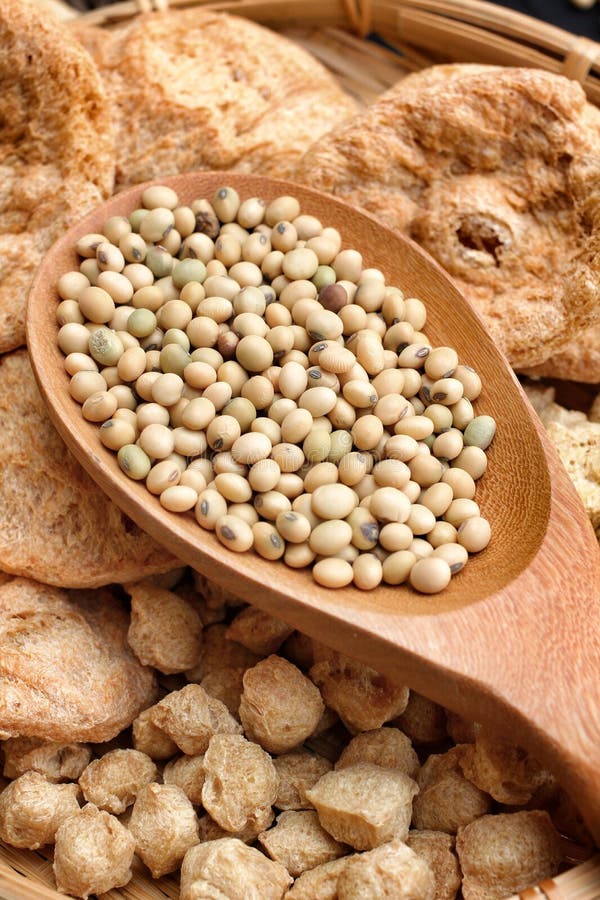
Soy Protein: A Nutritional Powerhouse for a Healthy Diet
In recent years, the popularity of plant-based diets has soared, and with good reason. Not only are these diets beneficial for the environment, but they also offer numerous health advantages. One staple ingredient that has gained significant attention is soy protein. Derived from soybeans, this versatile protein source offers an array of benefits that make it a valuable addition to any healthy eating plan.
First and foremost, soy protein is an excellent alternative for individuals seeking to reduce or eliminate animal products from their diet. It provides all essential amino acids required by the body, making it a complete protein source comparable to those found in meat and dairy products. This makes soy protein an ideal option for vegans and vegetarians who may struggle to meet their recommended daily intake of protein.
One notable advantage of consuming soy protein is its impact on heart health. Numerous studies have shown that regularly incorporating soy into your diet can help lower levels of LDL (bad) cholesterol while increasing HDL (good) cholesterol levels. Additionally, it contains compounds known as isoflavones which have been linked to reducing blood pressure and improving overall cardiovascular health.
Furthermore, incorporating soy protein into your meals can aid in weight management efforts due to its high satiety value. Foods rich in lean proteins tend to keep you feeling fuller for longer periods compared to carbohydrates or fats alone. By including sources like tofu or tempeh in your meals, you may find yourself less prone to snacking between meals or overeating during main ones.
Not limited solely by its nutritional profile, soy protein also boasts potential cancer-fighting properties. Isoflavones present in soybeans possess antioxidant qualities that help protect cells against damage caused by free radicals—an important factor in preventing certain types of cancers such as breast and prostate cancer.
It’s worth noting that some concerns surrounding hormonal disruption due to phytoestrogens found in soy have been raised. However, current research suggests that moderate intake of soy-based products does not pose any significant risks and may even confer health benefits.
In conclusion, soy protein is a nutritional powerhouse that offers numerous advantages for those looking to adopt a healthy eating plan. Its complete amino acid profile, heart-protective qualities, weight management support, cancer-fighting potential, and overall versatility make it an excellent choice for individuals seeking plant-based protein alternatives. Whether you are vegan or simply aiming to diversify your diet with nutrient-rich food sources, incorporating soy protein into your meals can provide substantial health benefits while contributing positively to the environment.

Leave a Reply