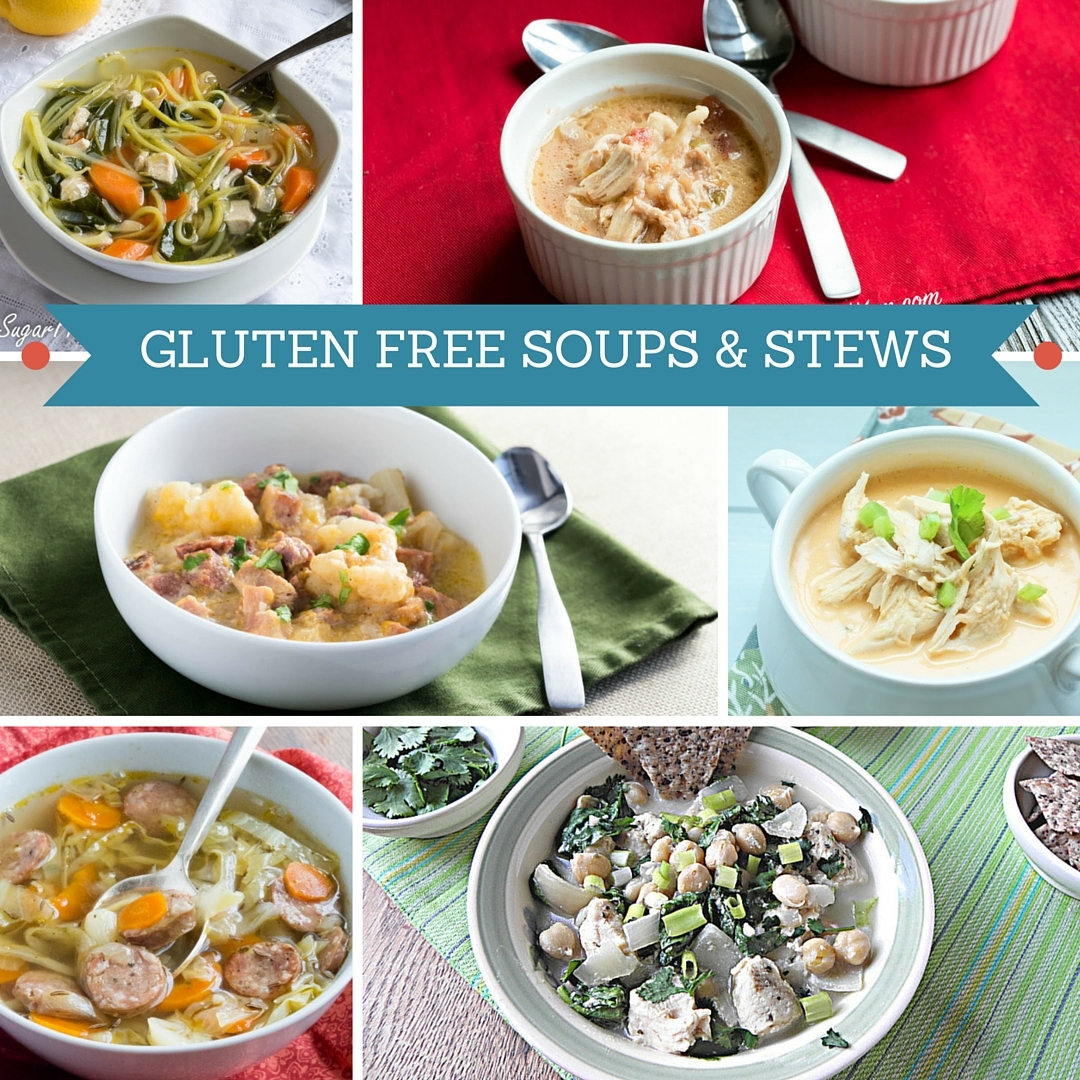
Interviewer: Hello everyone, and welcome back to our Healthy Eating website. Today, we have a special treat for all of you who follow a gluten-free diet. We are going to be discussing gluten-free soups and stews with our guest expert, Chef Amy.
Chef Amy is a renowned chef who specializes in creating delicious and nutritious meals that cater to different dietary needs. She has been working on developing mouthwatering gluten-free recipes for quite some time now. So without further ado, let’s dive right into the world of gluten-free soups and stews!
Interviewer: Thank you so much for joining us today, Chef Amy. We’re excited to learn more about your expertise in creating gluten-free soups and stews.
Chef Amy: Thank you for having me! I’m thrilled to be here and share my knowledge about gluten-free cooking.
Interviewer: To start off, could you explain what it means for a soup or stew to be considered “gluten-free”?
Chef Amy: Absolutely! A soup or stew can be classified as “gluten-free” if it does not contain any ingredients that contain gluten proteins found in wheat, barley, rye, or their derivatives. This means substituting traditional ingredients like regular flour with alternative flours such as rice flour, almond flour, or chickpea flour when thickening the soup or stew base.
Interviewer: That sounds great! So how do these alternative flours affect the taste and texture of the final dish?
Chef Amy: The choice of alternative flours will depend on personal preference and dietary restrictions; however, using these flours can add unique flavors while maintaining that desired thickness in soups and stews. Rice flour tends to give a lighter texture compared to other options like almond flour which adds richness but may also slightly alter the flavor profile.
It’s also important to note that many commercially available broths or stocks may contain hidden sources of gluten, such as wheat-based thickeners. So, it’s crucial to read labels or make your own homemade stocks to ensure they are gluten-free.
Interviewer: That’s a great tip! Speaking of ingredients, what are some common gluten-free thickening agents you recommend for soups and stews?
Chef Amy: There are several options for thickening gluten-free soups and stews. One popular choice is using a cornstarch slurry, which involves mixing cornstarch with water before adding it to the soup or stew base. This method works well for achieving a silky smooth texture.
Another option is tapioca starch or arrowroot powder, both of which can be used similarly to cornstarch. These alternatives provide excellent thickening power without altering the taste significantly.
For those looking for a grain-free alternative, coconut flour can also be used as a thickener in smaller amounts since it absorbs liquid quite efficiently.
Interviewer: Those are great suggestions! Now let’s talk about flavors and seasonings. What spices and herbs work well in gluten-free soups and stews?
Chef Amy: Ahh, the magic of flavors! When it comes to seasoning gluten-free soups and stews, there is an array of herbs and spices that can enhance the taste profile. Some common ones include bay leaves, thyme, rosemary, oregano, parsley, cumin, paprika – just to name a few!
These herbs and spices add depth and complexity while infusing aromatic notes into the dish. It’s always important to experiment with different combinations based on personal preferences until you find that perfect balance.
Interviewer: Wonderful suggestions! Now let’s move on to protein sources in these recipes. What are some great options for incorporating proteins into gluten-free soups and stews?
Chef Amy: Absolutely! A variety of protein-packed ingredients can be utilized in gluten-free soups and stews. Some popular options include lean meats like chicken, turkey, or beef. For those who prefer plant-based proteins, legumes such as lentils, chickpeas, or black beans work exceptionally well.
Seafood lovers can enjoy gluten-free soups and stews with additions like shrimp or fish. These protein sources not only add nutritional value but also contribute to the overall flavor profile of the dish.
Interviewer: That sounds delicious! Now let’s address a common concern – cross-contamination. How can individuals ensure that their gluten-free soups and stews remain safe from contamination?
Chef Amy: Cross-contamination is indeed an important aspect to consider when preparing gluten-free meals. Here are a few tips to minimize the risk:
1. Use separate utensils and cookware for gluten-free dishes.
2. Clean all surfaces thoroughly before cooking.
3. Label containers clearly to avoid mix-ups in storage.
4. Avoid using shared condiments that may have come into contact with gluten-containing products.
These simple yet effective steps will help maintain the integrity of your gluten-free soups and stews.
Interviewer: Thank you for sharing those valuable tips! Before we wrap up today’s interview, could you leave our readers with one of your favorite gluten-free soup or stew recipes?
Chef Amy: Of course! I’d be delighted to share one of my go-to recipes – Gluten-Free Chicken Vegetable Soup:
Ingredients:
– 2 tbsp olive oil
– 1 onion (diced)
– 2 carrots (sliced)
– 2 celery stalks (chopped)
– 3 garlic cloves (minced)
– 1 lb boneless skinless chicken breasts (cubed)
– 6 cups chicken broth (gluten-free)
– 1 bay leaf
– Salt and pepper to taste
– Fresh parsley leaves (chopped)
Instructions:
1. Heat olive oil in a large pot over medium heat. Add onion, carrots, celery, and garlic. Sauté until the vegetables are tender.
2. Add chicken cubes to the pot and cook until lightly browned.
3. Pour in chicken broth and add the bay leaf. Bring to a boil, then reduce heat and simmer for 20 minutes or until the chicken is fully cooked through.
4. Season with salt and pepper according to taste preferences.
5. Serve hot, garnished with fresh parsley.
Interviewer: Thank you so much for sharing that delicious recipe! It sounds simple yet incredibly flavorful.
Chef Amy: You’re very welcome! I hope your readers enjoy making it as much as I do.
Interviewer: We have learned so much from you today about gluten-free soups and stews, Chef Amy. Your expertise has been invaluable!
Chef Amy: Thank you again for having me! It was my pleasure to be here today.
And there you have it – a comprehensive discussion on gluten-free soups and stews with Chef Amy’s expert insights! We hope this interview has provided valuable information for those following a gluten-free diet or simply looking to explore new culinary horizons.
Remember, creating delicious gluten-free meals is all about embracing alternative ingredients while maintaining fantastic flavors. So go ahead, get creative in your kitchen, and savor the warmth of homemade gluten-free soups and stews!

Leave a Reply