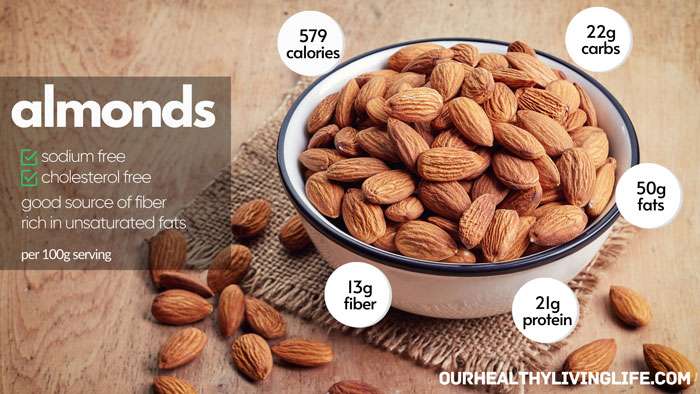
Almonds: A Nutritious Powerhouse
When it comes to healthy eating, almonds are often hailed as a superfood. These nutrient-dense nuts not only taste delicious but also offer a wide range of health benefits. Packed with essential nutrients, fiber, and healthy fats, almonds have become a popular choice for those seeking a nutritious snack or ingredient to incorporate into their meals. In this case study, we will explore the nutritional profile of almonds and delve into the many ways they can contribute to a balanced and wholesome diet.
Nutritional Profile
Although small in size, almonds are mighty in terms of their nutritional value. They are an excellent source of protein, healthy fats, vitamins, minerals, and antioxidants.
Protein: Almonds provide an impressive amount of plant-based protein. Just one ounce (28 grams) contains approximately 6 grams of protein – making them an ideal snack option for vegetarians and vegans.
Healthy Fats: The majority of the fat found in almonds is monounsaturated fat – the heart-healthy kind that can help reduce cholesterol levels when consumed as part of a balanced diet. Additionally, almonds contain a small amount of polyunsaturated fats such as omega-3 fatty acids.
Fiber: Almonds are an excellent source of dietary fiber which aids digestion and helps maintain bowel regularity. Including fiber-rich foods like almonds in your diet can also promote feelings of fullness and aid weight management.
Vitamins and Minerals: Almonds boast an array of essential vitamins and minerals including vitamin E, magnesium, calcium, phosphorus, copper, manganese, zinc,and B vitamins such as riboflavin (vitamin B2) and niacin (vitamin B3).
Antioxidants: Rich in antioxidants like vitamin E among others; these compounds help protect our cells from damage caused by harmful free radicals.
Health Benefits
1. Heart Health:
The high content of monounsaturated fats and vitamin E in almonds contributes to heart health. Studies have shown that consuming almonds regularly can help reduce bad cholesterol levels, lower blood pressure, and decrease the risk of heart disease.
2. Weight Management:
Despite being calorie-dense, incorporating almonds into a balanced diet may support weight management efforts. The combination of protein, fiber, and healthy fats helps increase satiety levels, reducing the likelihood of overeating or snacking on unhealthy alternatives.
3. Blood Sugar Control:
Almonds have a low glycemic index (GI), meaning they cause minimal fluctuations in blood sugar levels when consumed. This makes them an excellent choice for individuals with diabetes or those looking to maintain stable blood sugar levels throughout the day.
4. Brain Health:
The vitamin E content in almonds is believed to contribute to brain health by protecting against oxidative stress and inflammation which are linked to cognitive decline and neurodegenerative diseases like Alzheimer’s.
5. Bone Health:
Almonds contain essential minerals such as calcium, phosphorus, and magnesium – all vital for maintaining strong bones and preventing conditions like osteoporosis later in life.
Incorporating Almonds Into Your Diet
There are countless ways to enjoy the nutritional benefits of almonds:
1. Snack on whole almonds: A handful of raw or roasted almonds make for a nutritious snack option between meals.
2. Nut butter: Almond butter is a delicious alternative to traditional peanut butter; spread it on toast or use it as a dip for fruits and vegetables.
3. Baking ingredient: Replace some flour with almond meal or add chopped almonds to your favorite baked goods for added texture and flavor.
4. Salad topping: Sprinkle slivered or sliced almonds onto salads for an extra crunch along with their nutritional benefits.
5. Smoothies: Add a tablespoon of almond butter or a handful of soaked almonds into your morning smoothie for added creaminess and nutrients.
Safety Considerations
While almond allergies are relatively rare, some individuals may experience allergic reactions. It is important to be cautious and consult with a healthcare professional if you suspect an almond allergy or have any concerns.
Conclusion
Almonds truly deserve their reputation as a nutritional powerhouse. Packed with essential nutrients, healthy fats, and antioxidants, they offer numerous health benefits ranging from heart health to brain function and weight management. Incorporating almonds into your diet can be as simple as enjoying them as a snack or adding them to your favorite recipes. So why not make almonds a regular part of your healthy eating plan? Your body will thank you for it!

Leave a Reply