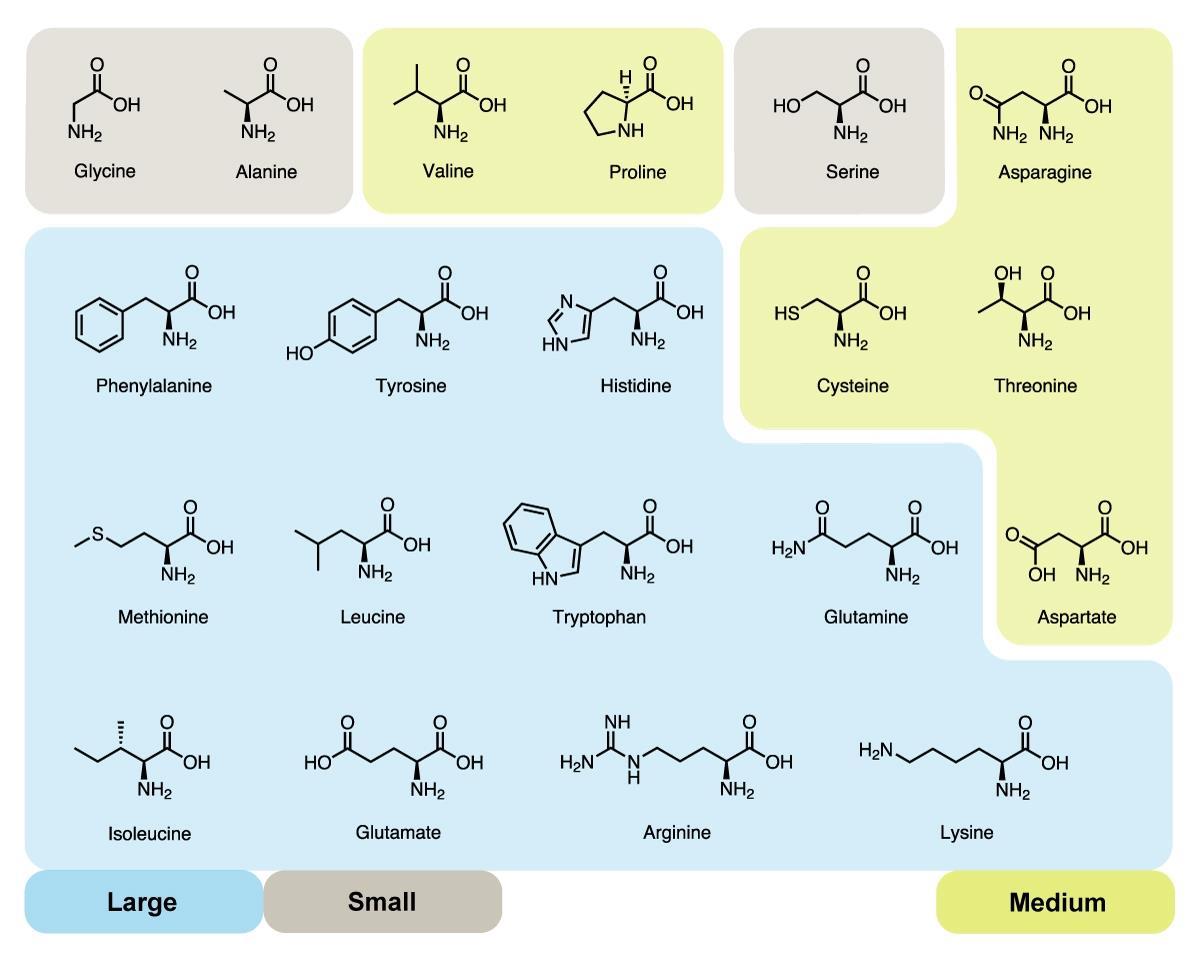
Amino Acid Profile: Understanding the Building Blocks of a Healthy Diet
In the quest for a healthy diet, many individuals focus on macronutrients like carbohydrates, proteins, and fats. However, it is equally important to pay attention to micronutrients that play a vital role in our overall well-being. Among these micronutrients are amino acids – the building blocks of protein and essential components for various bodily functions.
Amino acids are organic compounds made up of carbon, hydrogen, oxygen, nitrogen, and sometimes sulfur. They are crucial not only for muscle repair and growth but also for supporting immune function, promoting hormone synthesis, aiding in neurotransmitter production, and facilitating countless other physiological processes.
There are 20 different amino acids that our bodies require to function optimally. These can be classified into two categories: essential amino acids (EAAs) and non-essential amino acids (NEAAs). EAAs cannot be synthesized by our bodies and must be obtained through dietary sources such as meat, fish, eggs, dairy products, legumes, nuts/seeds or complete plant-based protein sources like quinoa or soybeans. On the other hand NEAAs can be produced by our bodies from other amino acid precursors or through metabolic pathways.
Among the nine essential amino acids are histidine (HIS), isoleucine (ILE), leucine (LEU), lysine (LYS), methionine (MET), phenylalanine (PHE), threonine (THR), tryptophan (TRP), and valine (VAL). These EAAs play key roles in muscle protein synthesis as well as maintaining proper immune function. While non-essential amino acids do not have specific daily requirements since they can be synthesized within our bodies using EAAs or intermediates from carbohydrate metabolism; however certain conditions may increase their demand such as illness/injury or inadequate intake of one/more EAAs.
Another classification of amino acids is based on their structure and properties. Branched-chain amino acids (BCAAs) consist of leucine, isoleucine, and valine. These are particularly important for muscle growth and recovery, making them popular among athletes and fitness enthusiasts. BCAAs can be found in protein-rich foods such as meat, eggs, dairy products or supplementation.
In addition to the essential and non-essential amino acids, there are also conditionally essential ones which become essential under certain circumstances. For example: arginine may be considered conditionally essential during periods of rapid growth or injury; cysteine becomes conditionally essential when dietary intake of methionine is low; glutamine during stress conditions like illness or intense exercise; glycine in situations where insufficient amounts are produced by the body etc.
To maintain a healthy balance of amino acids in your diet, it’s important to consume a variety of protein sources from both animal and plant-based options. Animal proteins tend to be complete proteins since they contain all nine EAAs whereas most plant proteins lack one/more EAA(s). However combining different plant-based protein sources throughout the day can provide complementary profiles that meet EAA requirements (e.g., rice + beans).
Understanding your individual needs for amino acids requires taking into account factors such as age, sex/gender, activity level/exercise intensity/goals/fitness status/body composition goals etc.; as these variables impact daily requirements. Athletes involved in strength training or endurance events often have higher protein/amino acid needs due to increased muscle repair/recovery compared with sedentary individuals.
In conclusion, understanding the importance of a balanced amino acid profile is key for maintaining overall health and well-being. By incorporating a diverse range of protein sources into your diet while considering individual requirements/preferences/goals; you can ensure that you’re providing your body with the necessary building blocks for optimal function at any stage of life or activity level. So, make informed choices and prioritize amino acids as part of your healthy eating regimen.

Leave a Reply