Black Bean Tempeh: A Nutritious and Delicious Plant-Based Protein Alternative
Introduction:
In recent years, the popularity of plant-based diets has been on the rise. With this increased interest in plant-based eating, people are seeking out new sources of protein beyond traditional animal products. One such alternative is black bean tempeh, a nutritious and delicious option that offers numerous health benefits. In this article, we will explore what black bean tempeh is, its nutritional profile, how it can be incorporated into various dishes, and some tips for preparing and cooking with it.
What is Black Bean Tempeh?
Tempeh is a fermented soy product that originated in Indonesia. It is made by fermenting cooked soybeans with a specific type of mold called Rhizopus oligosporus. This fermentation process binds the soybeans together into a firm cake-like texture.
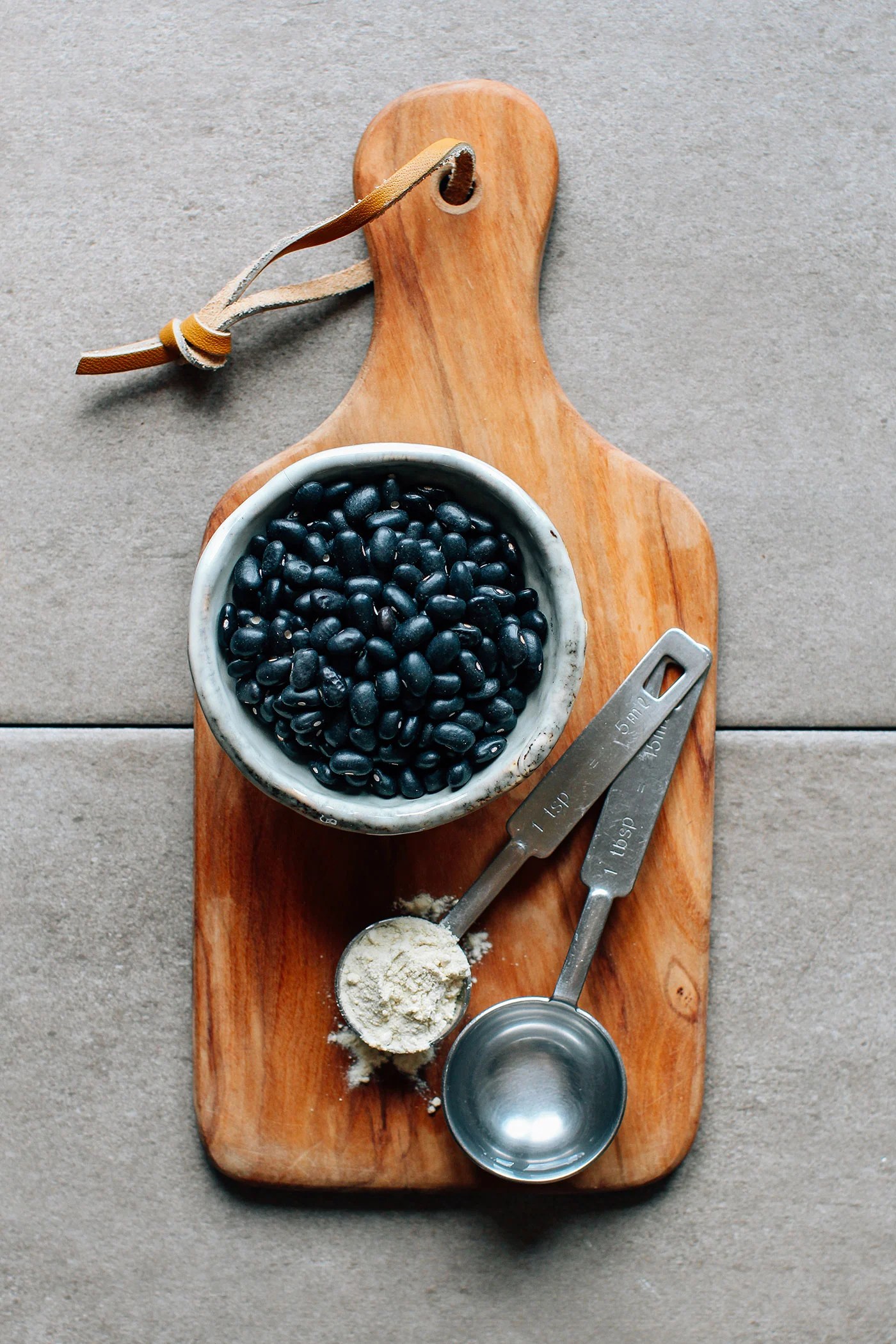
Black bean tempeh takes this traditional method one step further by incorporating cooked black beans along with the soybeans during fermentation. The addition of black beans not only enhances the flavor but also increases the nutritional value of tempeh.
Nutritional Profile:
Black bean tempeh boasts an impressive nutrient profile which makes it an excellent choice for those following a plant-based diet or looking to incorporate more plant-based proteins into their meals.
Protein: One serving (3 ounces) of black bean tempeh provides about 16 grams of protein, making it a substantial source of this essential macronutrient. Proteins are crucial for building and repairing tissues in our bodies.
Fiber: Just like its main ingredient – black beans – black bean tempeh contains high amounts of fiber that aids digestion and supports gut health.
Iron: Iron deficiency is common among vegetarians and vegans due to limited intake from animal sources. However, black bean tempeh offers approximately 2 milligrams per serving – almost as much as beef!
Calcium: Contrary to popular belief, calcium is not limited to dairy products. Black bean tempeh contains a decent amount of calcium, with about 80 milligrams per serving.
Vitamins and minerals: Black bean tempeh is a good source of vitamin B6, magnesium, and phosphorus.
Incorporating Black Bean Tempeh into Your Diet:
Now that we have established the nutritional benefits of black bean tempeh let’s explore some ideas for incorporating it into your diet.
1. Stir-fries: Add cubed or sliced black bean tempeh to your favorite stir-fry recipe for an added protein boost. Its firm texture holds up well during cooking and absorbs the flavors of the dish beautifully.
2. Salads: Crumble black bean tempeh over salads as a flavorful substitute for croutons or bacon bits. It adds a satisfying crunch while providing plant-based protein.
3. Sandwiches and Wraps: Slice thin strips of black bean tempeh and use them as a filling in sandwiches or wraps along with fresh veggies and spreads.
4. Burgers: Make homemade veggie burgers using mashed black bean tempeh mixed with other ingredients like quinoa, breadcrumbs, and spices. Grill or pan-fry until golden brown for a delicious meat-free alternative.
5. Tacos: Sauté crumbled black bean tempeh with onions, garlic, and taco seasoning; then stuff it into tortillas along with your favorite toppings such as avocado, salsa, and cilantro.
Preparing and Cooking Tips:
Here are some tips to ensure you get the most out of your black bean tempeh:
1. Marinate before cooking: To enhance flavor absorption during cooking, marinating is highly recommended. A simple marinade can be made by combining soy sauce or tamari sauce (for gluten-free option), olive oil, vinegar (such as apple cider vinegar), minced garlic, and your choice of spices or herbs.
2. Steam before using: Steaming black bean tempeh for about 10 minutes prior to cooking can help reduce any bitterness it may have.
3. Experiment with seasonings: Black bean tempeh has a mild earthy taste that pairs well with various seasonings and spices. Try experimenting with different combinations to find your favorite flavor profile.
4. Cook until golden brown: When pan-frying or baking black bean tempeh, aim for a golden brown color on the outside while still maintaining a slightly firm texture on the inside.
Conclusion:
Black bean tempeh is an excellent plant-based protein alternative that offers numerous health benefits. Its high protein content, fiber-rich nature, and impressive nutrient profile make it a valuable addition to any diet. By incorporating black bean tempeh into your meals through stir-fries, salads, sandwiches, burgers, tacos, and more – you can enjoy its delicious taste while reaping the rewards of this nutritious ingredient. So why not give black bean tempeh a try today and experience all that it has to offer?

Leave a Reply