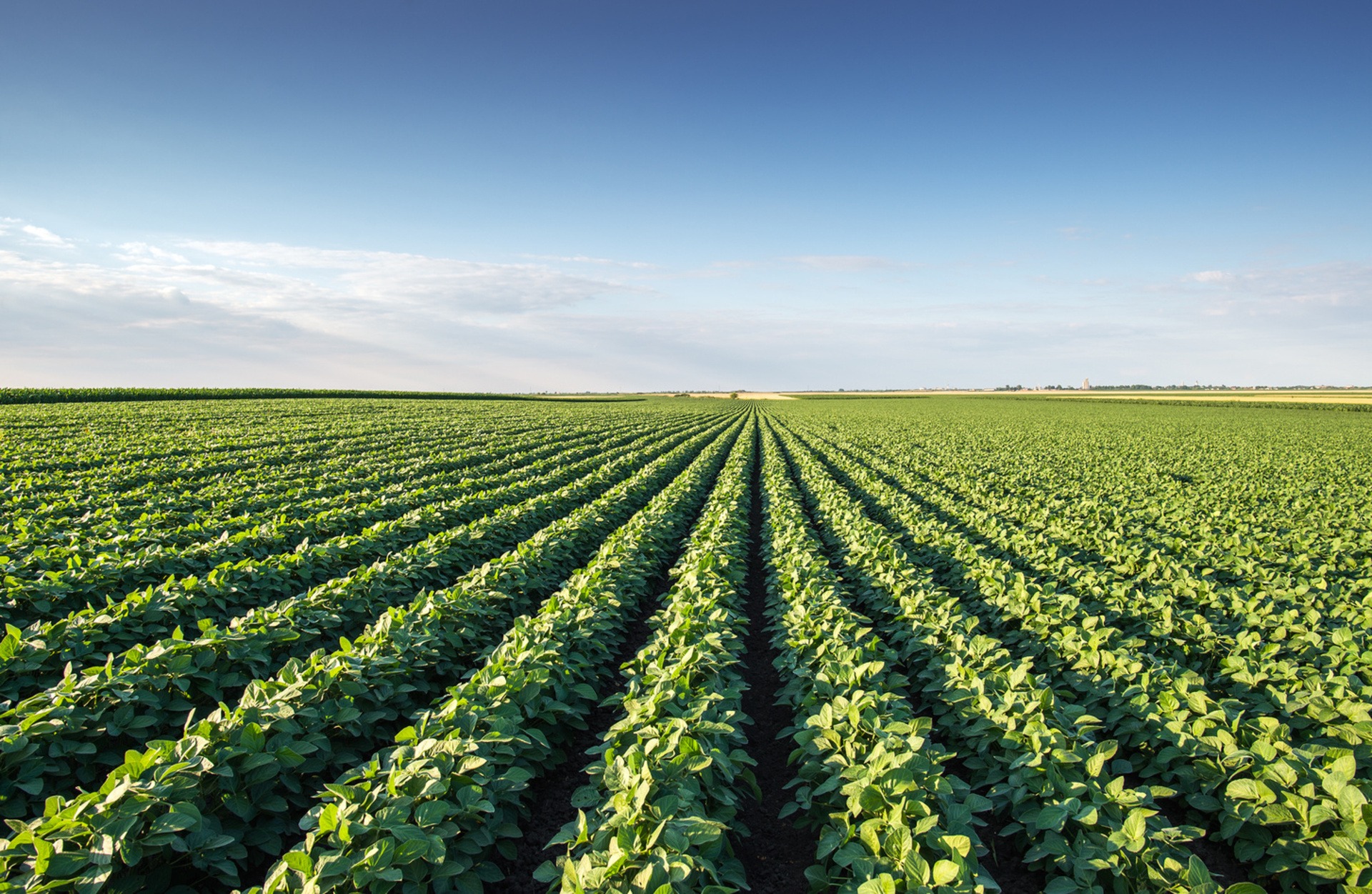
Sustainable Agriculture: Nurturing Our Planet and Our Health
In recent years, there has been a growing interest in sustainable agriculture as people become more conscious of the impact food production has on our environment and personal well-being. Sustainable agriculture is an approach to farming that aims to meet society’s present needs for food production while ensuring the long-term viability of natural resources and ecosystems.
One of the key principles of sustainable agriculture is soil health. Healthy soil is crucial for plant growth, nutrient absorption, water retention, and carbon sequestration. Sustainable farmers focus on building and maintaining fertile soils through practices such as crop rotation, cover cropping, and organic matter additions. These methods enhance biodiversity in the soil ecosystem and reduce the need for synthetic fertilizers or harmful pesticides.
Another important aspect of sustainable agriculture is water conservation. Traditional farming practices often involve excessive water usage, leading to depletion of freshwater sources. Sustainable farmers employ irrigation techniques like drip irrigation or precision sprinklers to minimize water waste. They also adopt strategies like rainwater harvesting or using recycled wastewater for non-food crops.
To combat pests and diseases sustainably, integrated pest management (IPM) techniques are employed instead of relying solely on chemical pesticides. IPM involves monitoring pest populations, using beneficial insects or birds as natural predators, employing cultural practices like crop rotation or intercropping to disrupt pest lifecycles, and utilizing biological controls such as biopesticides derived from naturally occurring substances.
Additionally, sustainable agricultural systems prioritize biodiversity preservation by creating habitats for beneficial insects, birds, bats, and other wildlife within farmlands. This helps control pests naturally while promoting ecological balance. By avoiding monocultures – the practice of growing only one type of crop over extensive areas – sustainable farms contribute to diversifying landscapes both aboveground and belowground.
Furthermore, sustainable agriculture promotes agroforestry practices that integrate trees with crops or livestock systems. Agroforestry provides multiple benefits such as enhanced soil fertility, improved water management, carbon sequestration, and increased biodiversity. Trees act as windbreaks, preventing soil erosion and providing shade for livestock or sensitive crops.
Sustainable agriculture also emphasizes the humane treatment of animals. Livestock raised under sustainable practices are given access to open pastures for grazing and exercise. They are not subjected to overcrowded conditions or administered growth hormones or routine antibiotics. This approach not only respects animal welfare but also produces healthier meat, dairy, and eggs that are free from harmful residues.
Adopting sustainable agricultural practices benefits not only the environment but also our health and well-being. By minimizing chemical inputs in food production, we reduce our exposure to potentially harmful substances present in synthetic fertilizers and pesticides. Sustainable farming methods often result in higher nutrient content in crops due to improved soil health, leading to more nutritious food on our plates.
Supporting sustainable agriculture goes beyond individual choices; it requires collective efforts from governments, businesses, farmers, and consumers alike. Governments can incentivize sustainable practices through policies and financial support programs. Businesses can invest in research and development of sustainable technologies while ensuring fair prices for farmers who adopt these methods. Consumers play a crucial role by making informed choices about the food they purchase – opting for locally produced organic products when possible.
In conclusion, sustainable agriculture offers a pathway towards a healthier planet by safeguarding natural resources while providing us with nutritious food options. By embracing this approach to farming globally, we can create a more resilient food system that supports both human needs and ecological balance – truly nurturing our planet’s future generations.

Leave a Reply