Quinoa has gained immense popularity in recent years as a healthy and versatile grain alternative. Originating from the Andean region in South America, quinoa was a staple food for the Incas and is now enjoyed by people all over the world. Not only is it packed with nutrients, but quinoa is also easy to cook and can be used in a variety of dishes. In this article, we will explore different cooking methods for quinoa that will help you make the most out of this nutritious ingredient.
Before we delve into the various cooking methods, let’s take a closer look at why quinoa has become such a beloved grain substitute. Quinoa is gluten-free and contains all nine essential amino acids, making it a complete protein source suitable for vegetarians and vegans. It is also high in fiber, which aids digestion and helps maintain bowel regularity.
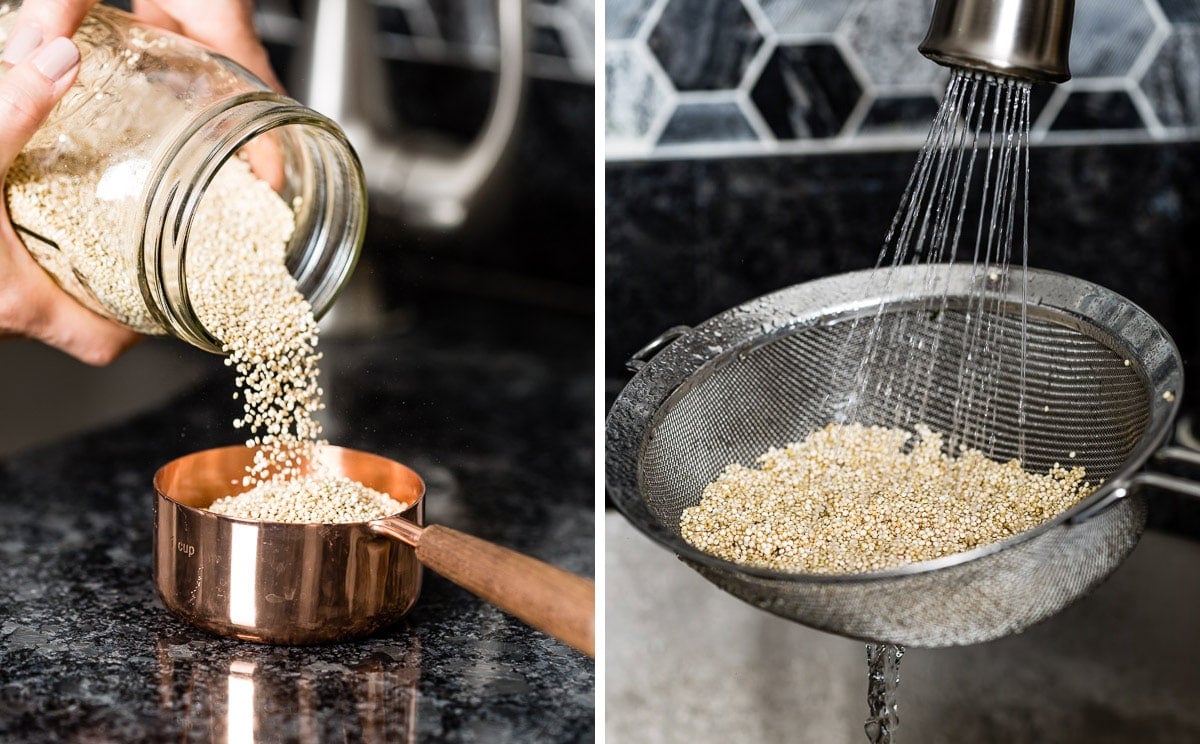
One of the simplest ways to cook quinoa is by boiling it on the stovetop. To begin, rinse one cup of quinoa under cold water to remove any bitter coating called saponin. Place the rinsed quinoa in a saucepan along with two cups of water or vegetable broth. Bring it to a boil over medium heat, then reduce the heat to low and cover tightly with a lid. Simmer for about 15-20 minutes or until all the liquid has been absorbed.
Once cooked, fluff up the quinoa with a fork before serving. This method yields fluffy grains that are perfect as an accompaniment to stir-fries or salads.
If you’re looking for an even quicker way to prepare your quinoa without sacrificing texture or flavor, consider using an electric rice cooker or pressure cooker instead. The process remains similar: rinse one cup of quinoa thoroughly before adding it to your cooker along with two cups of liquid (water or broth). Cook according to your appliance’s instructions—usually around 10 minutes—and allow it to naturally release pressure before opening the lid.
The rice cooker and pressure cooker methods are particularly convenient if you’re short on time or prefer a hands-off approach to cooking. They also ensure consistent results every time, making them ideal for meal prepping or batch cooking.
To add more depth of flavor to your quinoa, consider toasting it before cooking. Toasting helps intensify its nutty taste and adds a pleasant aroma. Start by rinsing the quinoa as usual, then drain well and pat it dry with paper towels. Heat a dry skillet over medium heat and add the dried quinoa. Stir constantly for about 5 minutes or until the grains turn slightly golden brown and emit a fragrant smell.
Once toasted, transfer the quinoa to a saucepan along with two cups of liquid (water or broth) and cook as directed in previous methods. The toasted quinoa can be used in various recipes such as grain bowls, pilafs, or even baked goods like muffins or cookies for an extra layer of flavor.
Another creative way to prepare quinoa is by sprouting it before cooking. Sprouting enhances digestibility while unlocking additional nutrients in the grain. To sprout quinoa, rinse one cup thoroughly under cold water and place it in a bowl filled with enough water to submerge the grains completely. Allow it to soak for about 8 hours or overnight.
After soaking, drain off any excess water using a fine-mesh sieve or cheesecloth-lined colander. Leave the drained quinoa covered at room temperature for another 8-12 hours, rinsing every few hours with fresh water without soaking again.
Once you see tiny tails emerging from the grains—usually after approximately 24-48 hours—the sprouted quinoa is ready to cook using any of the previously mentioned methods. The sprouted version will have a slightly sweeter taste compared to regular cooked quinoa but retains all the nutritional benefits.
Quinoa can also be used in baking and as a flour substitute. Simply grind the quinoa in a blender or food processor until it reaches a fine consistency, similar to regular flour. This homemade quinoa flour can be used in various recipes such as pancakes, bread, muffins, or cookies. It adds a unique flavor profile and boosts the nutritional value of your baked goods.
In conclusion, cooking quinoa is both simple and versatile. Whether you choose to boil it on the stovetop, use an electric rice cooker or pressure cooker for quick results, toast it for added flavor, sprout it for enhanced digestibility and nutrients, or grind it into flour for baking purposes—each method offers its own set of benefits.
Remember to experiment with different herbs, spices, vegetables, and dressings when incorporating cooked quinoa into your dishes. Quinoa’s mild taste allows it to complement various flavors while providing essential nutrients that promote good health.
By mastering these cooking methods for quinoa and exploring creative ways to incorporate this nutrient-rich grain into your meals, you’ll not only enjoy delicious dishes but also reap the countless health benefits that come along with them. So go ahead and explore the world of possibilities that await you in your kitchen!

Leave a Reply