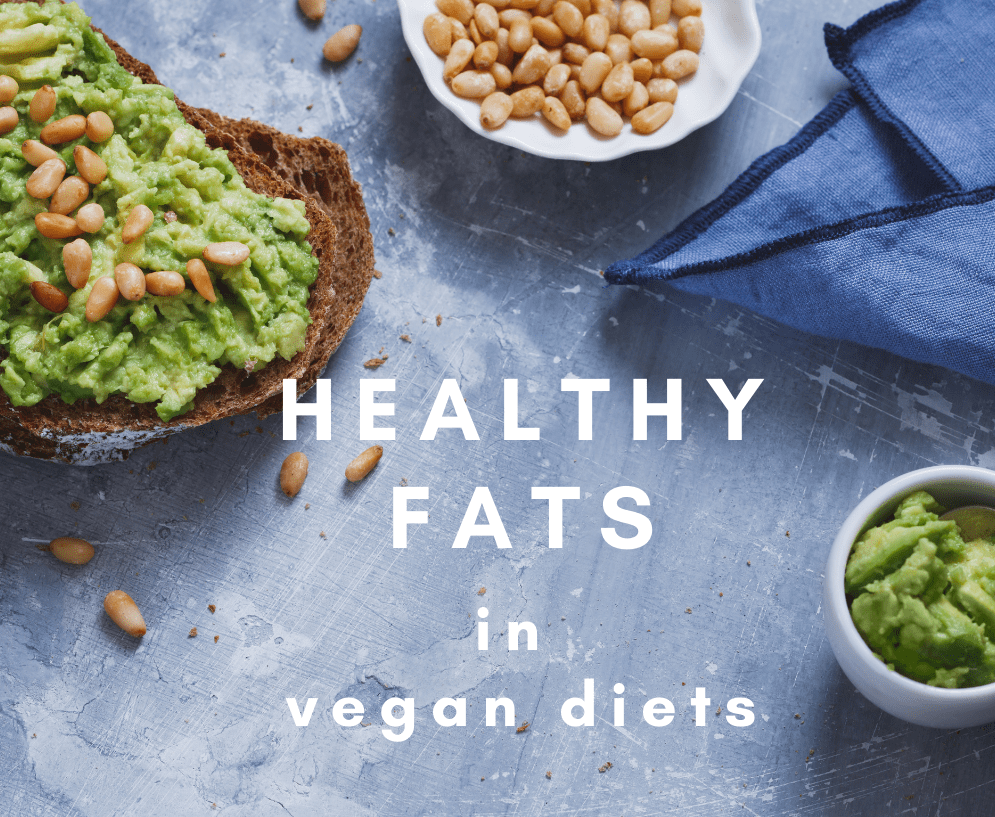
Incorporating Low Fat into a Vegetarian or Vegan Diet
Following a vegetarian or vegan diet can be incredibly beneficial for your health and the environment. However, it is important to ensure that you are getting all the necessary nutrients, including healthy fats. Contrary to popular belief, not all fats are bad for you. In fact, incorporating low-fat options into your plant-based diet can help provide essential nutrients while promoting overall well-being. Here are some tips on how to incorporate low fat into a vegetarian or vegan diet.
1. Choose Plant-Based Protein Sources:
Protein is an essential part of any diet, and luckily for vegans and vegetarians, there are plenty of plant-based sources available that contain little to no fat. Beans, lentils, tofu, tempeh, seitan, and edamame are excellent choices as they are high in protein and low in fat. They also provide other important nutrients such as fiber and iron.
2. Opt for Low-Fat Dairy Alternatives:
If you’re following a vegetarian diet that includes dairy products but want to reduce your fat intake, opt for low-fat or non-fat versions of milk, yogurt, cheese alternatives like nutritional yeast or tofu-based spreads. These alternatives still offer the creamy texture and flavors without the added saturated fats found in regular dairy products.
3. Incorporate Nutritious Whole Grains:
Whole grains such as quinoa, brown rice, oats,
and whole wheat pasta should be staples in any healthy vegan or vegetarian diet plan. These foods are packed with essential vitamins and minerals while being naturally low in fat content compared to refined grains like white bread or white rice.
4. Embrace Healthy Cooking Methods:
When preparing meals using plant-based ingredients try opting for healthier cooking methods such as steaming vegetables instead of frying them which adds unnecessary calories from oil usage.The same goes when baking; use substitutes like unsweetened applesauce instead of oil in your baked goods to lower the fat content.
5. Include Plenty of Fruits and Vegetables:
Fruits and vegetables are naturally low in fat, making them a perfect addition to a low-fat vegetarian or vegan diet. They are also rich in vitamins, minerals, and antioxidants that promote good health. Add a variety of colorful produce to your meals and snacks for added nutrients while keeping the fat intake low.
6. Be Mindful of Added Fats:
Even on a vegetarian or vegan diet, it’s essential to be mindful of adding excess fats unnecessarily. While nuts, seeds, avocados, coconut oil and olive oil can provide healthy fats in moderation but they should still be consumed mindfully as they are calorie-dense foods that can quickly add up if overconsumed.
7. Read Food Labels:
When shopping for packaged plant-based products like dairy alternatives or meat substitutes make sure you read the food labels carefully. Look for items that have reduced or no added fats such as trans fats which can be harmful to your health even when following a vegetarian or vegan lifestyle.
In conclusion, incorporating low-fat options into your vegetarian or vegan diet is not only possible but also beneficial for your overall health. By choosing nutrient-rich whole foods like legumes, whole grains, fruits, vegetables while being mindful about added fats you can maintain a balanced diet while reducing the risk of certain diseases associated with high-fat diets. Remember that it’s always best to consult with a healthcare professional or registered dietitian when making changes to your eating habits to ensure you’re meeting all nutritional needs specific to your individual requirements

Leave a Reply