The Gut-Brain Connection: How Your Diet Affects Your Mental Health
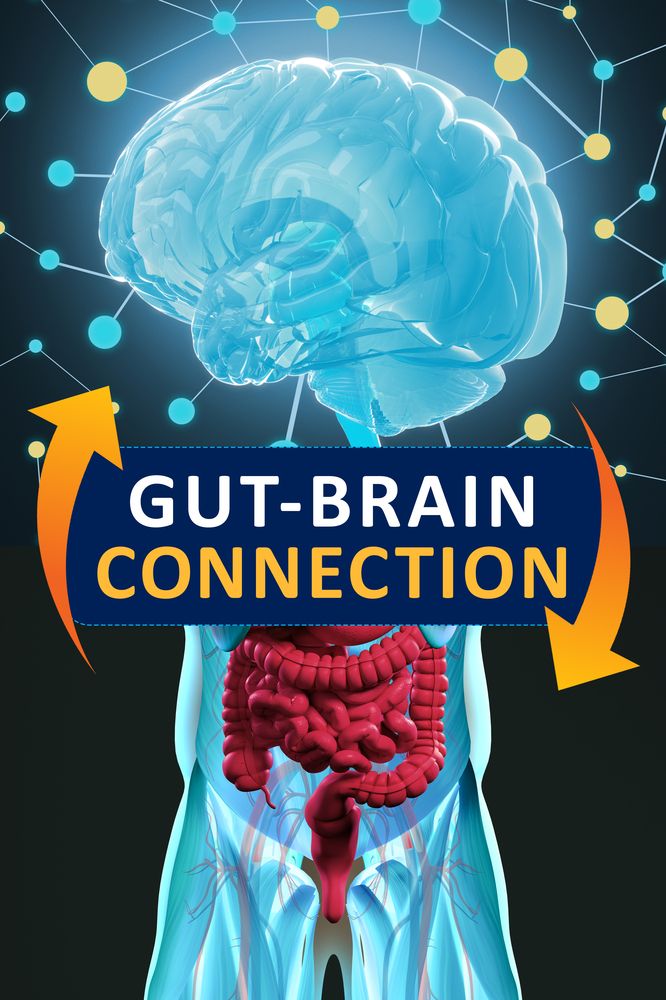
In recent years, there has been increasing interest and research into the connection between our gut and our brain. The gut-brain connection refers to the bidirectional communication system between these two organs, which ultimately influences not only our physical health but also our mental well-being.
It is well-known that what we eat can impact our overall health. However, emerging evidence suggests that diet plays a crucial role in shaping the composition of the gut microbiota, which in turn affects both brain function and behavior. This fascinating link provides new insights into how we can improve mental health through dietary interventions.
The Role of Microbes in Our Gut
Our gastrointestinal tract houses trillions of microorganisms collectively known as the gut microbiota. These microbes play a pivotal role in maintaining a healthy digestive system and have been found to influence various aspects of human physiology, including immunity, metabolism, and even mood regulation.
Research has shown that certain species of bacteria within the gut produce neurotransmitters like serotonin, dopamine, and gamma-aminobutyric acid (GABA). These neurotransmitters are essential for regulating mood, emotions, cognition, and stress response. Therefore, an imbalance or dysbiosis in the gut microbiota may lead to disturbances in these neurochemicals with potential implications for mental health disorders such as anxiety and depression.
Dietary Factors That Impact Gut Health
Several dietary factors have been identified as having an influence on gut health:
1. Fiber-rich foods: Consuming a diet rich in fiber promotes the growth of beneficial bacteria within the gut. Foods like fruits, vegetables (especially leafy greens), whole grains, nuts,and legumes are excellent sources of dietary fiber.
2. Probiotics: Probiotics are live bacteria that confer numerous health benefits when consumed. They can be found naturally in fermented foods like yogurt,sauerkraut,kimchi,and kefir. Probiotic supplements are also available.
3. Prebiotics: Prebiotics are non-digestible compounds found in certain foods that stimulate the growth and activity of beneficial gut bacteria. Foods such as garlic, onion, leeks, asparagus, and bananas contain prebiotic fibers.
4. Sugar and processed foods: A diet high in added sugars and processed foods has been associated with an imbalance in gut microbiota composition. These unhealthy dietary choices can promote the growth of harmful bacteria while reducing the diversity of beneficial ones.
The Gut-Brain Axis
The communication between our gut and brain occurs through a complex network known as the gut-brain axis. This connection involves both neural pathways and biochemical signaling systems.
One key player in this axis is the vagus nerve, which connects the brain to various organs, including the digestive tract. Through this nerve pathway, signals from our gut can reach our brain almost instantaneously, influencing mood and behavior. For example, it’s not uncommon to experience “butterflies” or nervousness before a big event due to these signals sent by your gut to your brain.
Furthermore,gut microbes produce metabolites that have direct effects on neurotransmitter production within our brains. For instance,lactic acid bacteria produce GABA,a calming neurotransmitter that helps reduce anxiety-like symptoms.
Implications for Mental Health
Understanding the intricate relationship between diet,the gut microbiota,and mental health could open new avenues for developing novel therapies,such as nutritional interventions,to support better mental well-being.In fact,studies have shown promising results when using probiotics or dietary changes rich in fiber to improve symptoms related to stress,mood disorders,and even neurodegenerative conditions like Alzheimer’s disease.However,it is important to note that more research is needed before definitive recommendations can be made.
In conclusion,the emerging field of research focusing on the gut-brain connection highlights how what we eat can impact not only our physical health but also our mental health. By prioritizing a diet rich in fiber,probiotics,and prebiotics while avoiding excessive sugars and processed foods,we can positively influence the composition of our gut microbiota and potentially improve our overall well-being. While this field is still in its early stages,the potential for dietary interventions as a complementary approach to mental health treatment is an exciting prospect we should continue exploring.

Leave a Reply