The Science Behind the Nutrient Density of Microgreens
In recent years, there has been a growing interest in microgreens for their exceptional nutrient density and unique flavors. These tiny plants are essentially young vegetable greens that are harvested when they have just developed their first set of true leaves. While they may be small in size, don’t let their appearance fool you – microgreens pack a powerful nutritional punch.
Microgreens come in various types, including arugula, kale, radish, broccoli, and many more. They can easily be grown at home or purchased from local farmers’ markets or specialty stores. Despite their popularity as a trendy garnish or salad topping, it’s important to recognize that these miniature greens offer far more than just aesthetic appeal.
One of the key reasons why microgreens have gained attention is due to their significantly higher nutrient content compared to mature vegetables. Numerous studies have demonstrated that these baby greens contain concentrated amounts of vitamins, minerals, antioxidants, and phytochemicals necessary for optimal health.
So what exactly makes microgreens so nutrient-dense? Let’s dive into the science behind it all.
Seed vs Sprout vs Microgreen
To truly understand the nutritional benefits of microgreens, we must differentiate them from other plant growth stages like seeds and sprouts.
Seeds are dormant structures with immense potential but limited nutrients until they germinate. When soaked or sprouted in water alone (as done with alfalfa sprouts), certain nutrients become bioavailable but not necessarily more abundant than in the seed itself.
Sprouts emerge when seeds begin to grow after being soaked in water for a designated period under specific conditions such as darkness or light exposure depending on the variety. Sprouting entails an initial phase where the root and shoot start developing; however, this stage typically lasts only 2-7 days before reaching maturity.
On the other hand, microgreens require soil or another growth medium to develop beyond germination. Unlike sprouts, microgreens produce true leaves and develop more complex structures before being harvested around 7-21 days after germination.
It is this extended growth period that sets microgreens apart from sprouts and contributes to their superior nutritional profile. As the plants grow, they accumulate a wide range of nutrients necessary for survival, resulting in remarkable nutrient density.
Nutrient Density Explained
Nutrient density refers to the concentration of essential vitamins, minerals, and other beneficial compounds within a given food portion. It measures how many nutrients are packed into each calorie consumed.
Microgreens have been found to be up to 40 times more nutrient-dense than their mature counterparts. A study published in the Journal of Agricultural and Food Chemistry analyzed different microgreen varieties and compared them with their fully grown versions.
The results were astounding – microgreens contained significantly higher levels of vitamins C, E, K, lutein, beta-carotene (a precursor to vitamin A), and other phytochemicals than mature plants. These findings highlight the potential impact of incorporating microgreens into our diets as an easy way to boost overall nutrition without drastically increasing caloric intake.
Factors Influencing Nutrient Density
Multiple factors contribute to the exceptional nutrient density found in microgreens:
1. Concentrated Growth: Microgreens concentrate nutrients by storing them in tiny leaves rather than spreading them throughout a larger plant structure like mature greens do.
2. Short Growing Period: Since they are harvested shortly after germination (often within two weeks), all available resources are utilized efficiently by these young plants.
3. Intense Photosynthesis: During rapid growth stages, microgreens undergo intense photosynthesis due to exposure to light sources such as natural sunlight or artificial grow lights. This process leads to increased production of chlorophyll and antioxidants.
4. Genetic Potential: The genetic makeup of each plant variety plays a role in determining its inherent nutrient content.
5. Soil Quality: Growing microgreens in nutrient-rich soil enhances their ability to absorb essential minerals and other beneficial compounds.
Key Nutrients Found in Microgreens
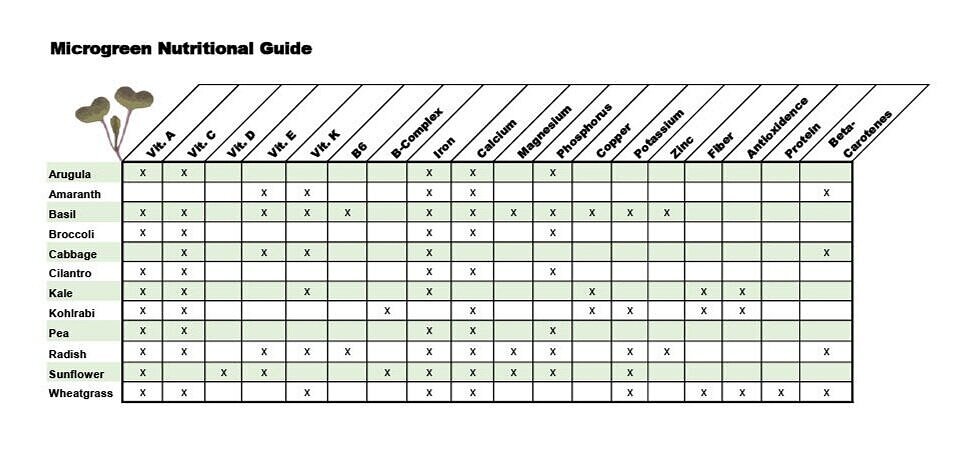
Microgreens are packed with an array of essential nutrients. Here are some of the key vitamins, minerals, and antioxidants commonly found in these tiny greens:
1. Vitamin C: Known for its immune-boosting properties, vitamin C is abundant in many microgreen varieties such as broccoli, kale, and mustard greens.
2. Vitamin K: Essential for blood clotting and bone health, vitamin K is found in high amounts in microgreens like amaranth and beet.
3. Beta-Carotene: This precursor to vitamin A is crucial for eye health and has potent antioxidant properties. Microgreens like carrots and radishes contain significant amounts of beta-carotene.
4. Lutein: Found abundantly in green leafy vegetables like spinach or chard microgreens, lutein plays a vital role in maintaining healthy vision.
5. Iron: Important for oxygen transport within the body, iron can be obtained from microgreen varieties like amaranth or sunflower shoots.
6. Calcium: Vital for bone health, calcium can be found in certain types of microgreens including kale or arugula.
Incorporating Microgreens into Your Diet
The versatility of microgreens allows them to be included in various dishes to enhance both flavor and nutritional value:
1. Salads: Add a handful of colorful microgreens on top of your salads to elevate taste while increasing vitamin intake.
2. Sandwiches/Wraps/Burgers: Include these miniature greens as a topping or layer between bread slices or wraps for added texture and freshness.
3. Smoothies/Juices: Blend your favorite fruits with a small handful of mild-tasting microgreens to create nutrient-packed smoothies or juices that go beyond traditional flavors.
4. Stir-Fries/Sautéed Dishes: Toss microgreens into stir-fried vegetables or sauté them with garlic and olive oil for a quick and nutritious side dish.
Conclusion
Microgreens may be small in size, but they offer big nutritional benefits. Their exceptional nutrient density combined with their unique flavors makes them an ideal addition to any healthy diet. Whether you grow them at home or purchase them from local farmers’ markets, make sure to incorporate these tiny powerhouses into your meals regularly.
By understanding the science behind microgreens’ nutrient density, we can better appreciate the value they bring to our health. So why not give these miniature greens a try? Your taste buds and overall well-being will thank you!

Leave a Reply