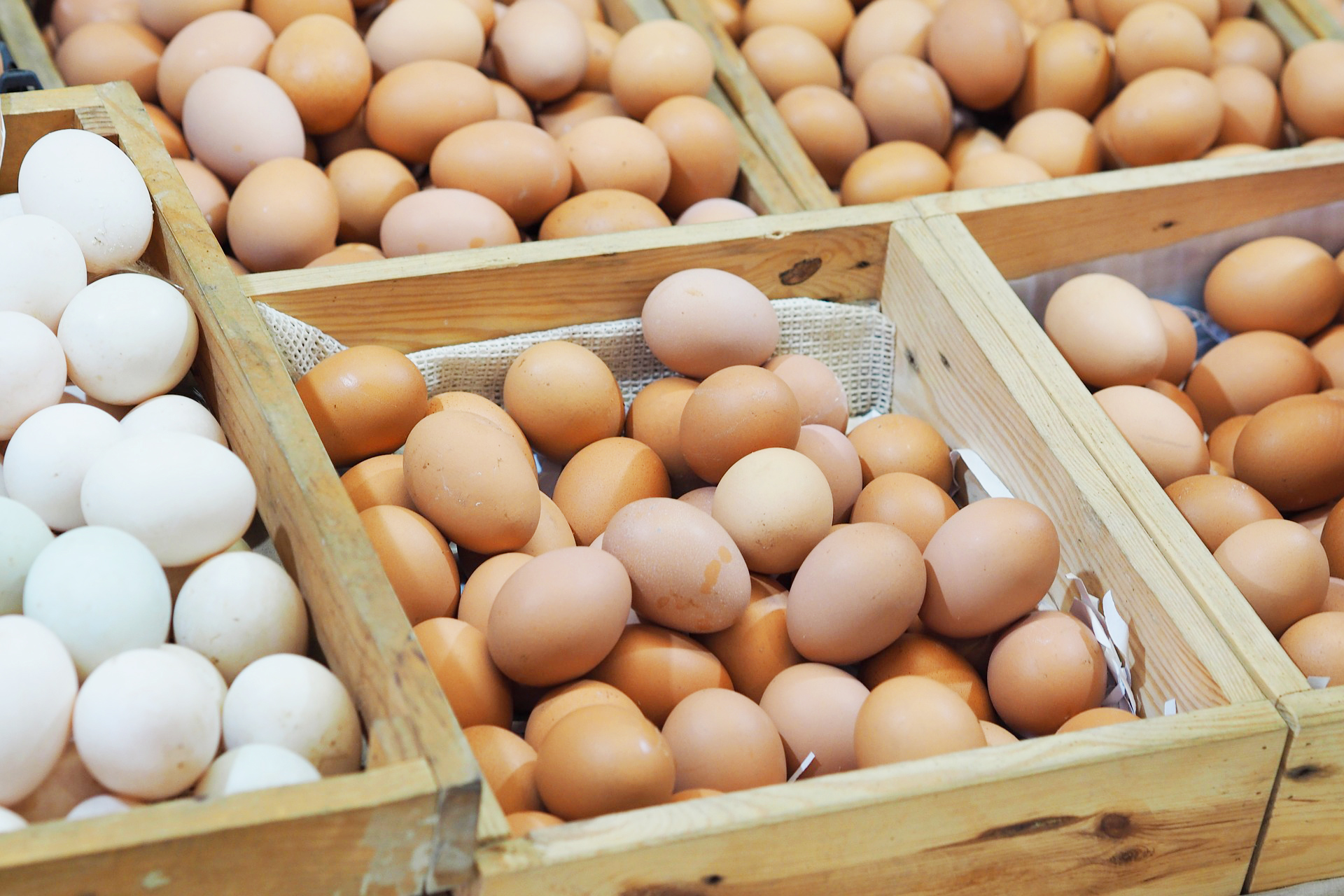
In recent years, there has been a growing interest in the quality of our food and where it comes from. This has led to a rise in popularity of free-range eggs as an alternative to conventional eggs. But what exactly is the difference between these two types of eggs? In this article, we will compare free-range eggs and conventional eggs to help you make an informed decision about which one is right for you.
Firstly, let’s talk about how the hens are raised. Conventional egg-laying hens are typically kept in small cages or confined spaces with limited room to move around. On the other hand, free-range hens have access to outdoor areas where they can roam and forage for food. They generally have more space and natural light, which allows them to engage in natural behaviors such as dust bathing and scratching.
The diet of the hens also plays a significant role in determining the nutritional content of the eggs they produce. Conventionally raised hens are usually fed a diet consisting mainly of grains and soybeans. Free-range hens, on the other hand, have access to a wider variety of foods due to their ability to forage outdoors. This diverse diet often includes insects, worms, grasses, and seeds, resulting in higher levels of certain nutrients such as omega-3 fatty acids.
One crucial aspect that consumers often consider when choosing between free-range eggs and conventional eggs is animal welfare. The conditions under which animals are kept can significantly impact their well-being. Free-range systems aim to provide better living conditions by allowing birds more freedom compared to conventional systems that confine them within cages or overcrowded barns.
Additionally, some studies suggest that free-range eggs may contain lower levels of certain contaminants such as pesticides and antibiotics compared to conventionally produced ones. This could be attributed partly to differences in feed composition or reduced exposure due to outdoor foraging opportunities.
Another factor worth considering is taste. Many people claim that free-range eggs have a richer and more flavorful taste compared to conventional eggs. This could be due to the varied diet of free-range hens, which may result in different flavors and textures in their eggs.
It is important to note that the cost of free-range eggs is generally higher than conventional ones. The increased production costs associated with providing outdoor access for hens and ensuring their welfare contribute to the price difference.
In conclusion, there are several factors to consider when choosing between free-range eggs and conventional eggs. Free-range systems offer hens better living conditions, a more diverse diet, potentially higher nutrient levels, and lower levels of contaminants. However, these benefits come at a higher cost. Ultimately, the choice between these two types of eggs depends on your personal values regarding animal welfare, nutrition preferences, and budget constraints.

Leave a Reply