Non-GMO Labeling Regulations: A Comprehensive Guide
In recent years, the demand for non-genetically modified organisms (non-GMO) food has been on the rise. Consumers are becoming more conscious about their food choices and are seeking products that align with their values of health and sustainability. To meet this growing demand, many companies have started labeling their products as non-GMO. But what exactly does non-GMO mean, and how can you be sure that a product is truly free from genetically modified ingredients? In this comprehensive guide, we will explore the regulations surrounding non-GMO labeling to help you make informed choices about your food.
What Does Non-GMO Mean?
Before diving into the regulations, let’s first understand what non-GMO means. GMOs are living organisms whose genetic material has been altered using genetic engineering techniques. These modifications may involve introducing genes from different species or manipulating existing genes within a species to achieve desired traits such as increased yield or resistance to pests.
Non-GMO refers to products that do not contain any genetically modified ingredients. This includes crops like corn, soybeans, canola, cottonseed oil, sugar beets, and certain varieties of zucchini and yellow squash that are commonly genetically engineered in North America.
Understanding Non-GMO Labeling Regulations:
To ensure accurate information reaches consumers regarding the presence or absence of GMOs in their food choices, several countries have implemented specific regulations for non-GMO labeling. Let’s take a closer look at some key regulations around the world:
1. United States:
In the United States, there is currently no mandatory federal regulation requiring products containing GMOs to be labeled as such; however, voluntary labeling practices exist under guidance issued by organizations like The Non-GMO Project.
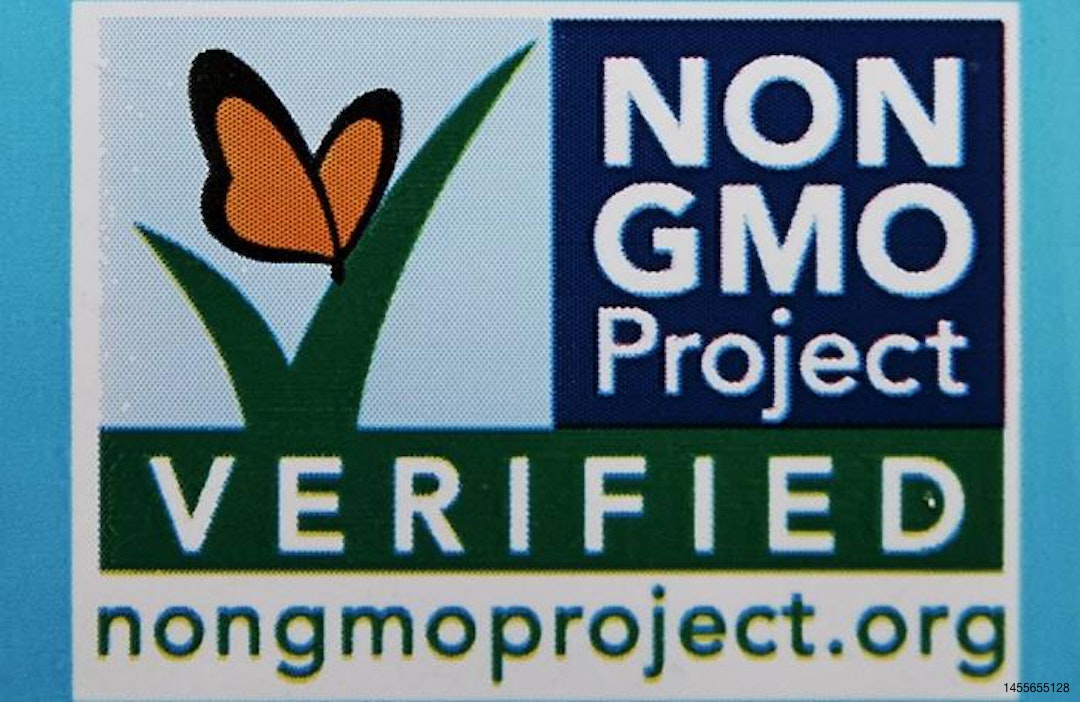
The Non-GMO Project offers third-party verification and certification for products wishing to carry its “Non-GMO Project Verified” seal. To obtain this certification, manufacturers must meet rigorous standards set by the organization, which includes testing their products for GMO contamination and adhering to strict traceability and segregation practices.
2. European Union:
In the European Union (EU), there are clear regulations governing non-GMO labeling. Any food or feed product containing more than 0.9% genetically modified material must be labeled as such. This threshold is in place to account for unavoidable contamination during the production process while ensuring transparency to consumers.
The EU also requires that any genetically modified food or feed product authorized for sale within its member countries must undergo a rigorous safety assessment before being approved.
3. Canada:
Similar to the United States, Canada does not have mandatory federal regulations requiring non-GMO labeling on products; however, voluntary labeling practices exist.
The Canadian Food Inspection Agency provides guidelines for voluntary labels like “non-GMO,” “GMO-free,” or similar claims. These guidelines recommend that manufacturers substantiate their claims through appropriate testing and documentation.
4. Brazil:
Brazil has specific regulations regarding non-GMO labeling enforced by its Ministry of Agriculture, Livestock, and Supply (MAPA). Products containing more than 1% genetically modified material must be labeled accordingly with a symbol indicating the presence of GMOs.
Additionally, Brazil has established legal requirements for segregating GMO crops from non-GMO crops during cultivation, harvest, storage, transportation, processing, and packaging stages to maintain integrity throughout the supply chain.
5. Australia and New Zealand:
Australia and New Zealand adopt a case-by-case approach when it comes to regulating non-GMO labeling. Food Standards Australia New Zealand (FSANZ) evaluates each genetically modified food individually before approving it for sale within these countries’ markets.
If a product contains novel DNA or protein resulting from genetic modification that could present health concerns or differ significantly from traditional varieties in composition or nutritional value, it must be labeled as genetically modified under FSANZ regulations.
Making Informed Choices:
While navigating the world of non-GMO labeling can be complex, there are steps you can take to make informed choices:
1. Look for third-party certifications: Products carrying seals like “Non-GMO Project Verified” or similar certifications provide assurance that the product has undergone testing and meets specific non-GMO standards.
2. Read ingredient lists carefully: While a product may not have a non-GMO label, reading ingredient lists can help identify potential genetically modified ingredients such as soybean oil, corn syrup, or sugar from sugar beets.
3. Stay informed about regulations: Familiarize yourself with the regulations in your country or region to understand how they impact non-GMO labeling practices. This information will help you interpret labels more effectively.
4. Support local farmers and organic producers: Choosing locally grown produce from farmers who follow organic farming practices reduces the likelihood of consuming genetically modified crops.
By understanding non-GMO labeling regulations and being aware of reliable certification programs, consumers can make empowered decisions when it comes to their food choices. Remember to stay informed and read labels carefully to ensure the products you purchase align with your values of health and sustainability

Leave a Reply