Plant-Based Diets: A Comprehensive Guide to Healthy Eating
Introduction
In recent years, plant-based diets have gained immense popularity due to their numerous health benefits and positive impact on the environment. While some people adopt a plant-based diet for ethical reasons, others do it for health purposes. This article aims to provide a comprehensive guide to understanding plant-based diets, including their benefits, potential challenges, and how to ensure optimal nutrition while following this lifestyle.
What is a Plant-Based Diet?
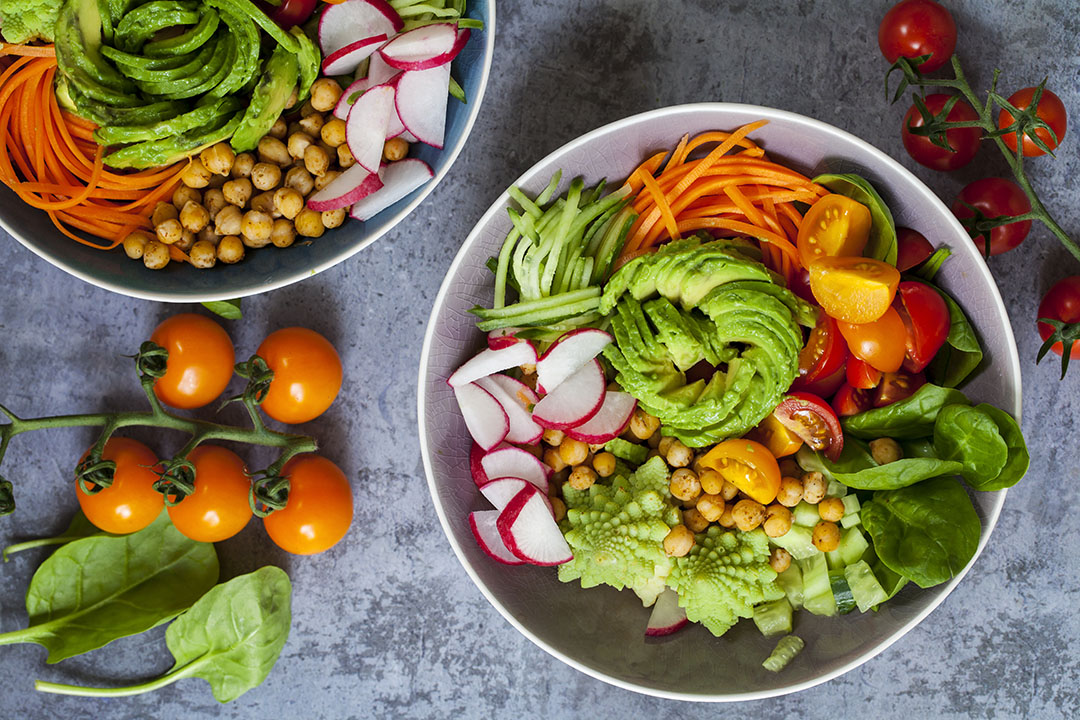
A plant-based diet primarily focuses on consuming foods derived from plants such as fruits, vegetables, whole grains, legumes, nuts, and seeds. It encourages individuals to limit or avoid animal products like meat (including poultry and seafood), eggs, dairy products (milk, cheese), and honey. However, there are various interpretations of what constitutes a plant-based diet; some individuals may include small amounts of animal products occasionally.
Benefits of Plant-Based Diets
1. Improved Heart Health: Numerous studies have indicated that adopting a plant-based diet can reduce the risk of heart disease by lowering blood pressure levels and cholesterol levels. The high fiber content in fruits, vegetables, whole grains aids in maintaining healthy blood vessels.
2. Weight Management: Plant-based diets tend to be lower in calories compared to traditional Western diets rich in processed foods and saturated fats. Consequently, they can assist with weight management or weight loss goals when combined with regular exercise.
3. Reduced Risk of Chronic Diseases: Research suggests that following a predominantly plant-based diet can help prevent chronic diseases such as type 2 diabetes and certain types of cancer due to its nutrient-rich profile.
4. Increased Fiber Intake: Plants are excellent sources of dietary fiber which promotes healthy digestion by preventing constipation while also contributing to satiety after meals.
5. Environmental Sustainability: By choosing plants over animal products as the primary source of sustenance, we contribute positively towards reducing greenhouse gas emissions associated with livestock farming, deforestation, and water pollution.
6. Enhanced Nutritional Profile: Plant-based diets are typically rich in essential vitamins, minerals, antioxidants, and phytochemicals that support overall health and well-being.
Challenges of Following a Plant-Based Diet
While plant-based diets offer numerous benefits, there are some potential challenges to consider:
1. Meeting Nutrient Needs: A well-planned plant-based diet can provide all necessary nutrients; however, it requires careful attention to ensure adequate intake of certain nutrients like vitamin B12 (commonly found in animal products), iron, calcium, zinc, iodine, omega-3 fatty acids (EPA and DHA). Supplementation or fortified foods may be necessary for some individuals.
2. Protein Sources: Animal products are complete protein sources containing all nine essential amino acids required by the body. In a plant-based diet, different combinations of plant proteins must be consumed throughout the day to obtain all essential amino acids. Good sources include legumes (beans, lentils), tofu/tempeh/seitan (soy-based products), quinoa/spelt/buckwheat (pseudo-grains).
3. Social Challenges: Eating out or attending social events can sometimes pose challenges for those following a plant-based diet as options may be limited or not adequately catered for. Open communication with friends and family about dietary preferences can help mitigate these situations.
Tips for Optimal Nutrition on a Plant-Based Diet
1. Eat a Variety of Foods: To ensure adequate nutrient intake on a plant-based diet it is important to consume a wide variety of fruits, vegetables (including leafy greens), whole grains (such as brown rice and quinoa), legumes (chickpeas and lentils), nuts/seeds daily.
2. Include Good Fat Sources: Healthy fats such as avocados, olives/olive oil/nut oils/fatty fish like salmon should be incorporated into the diet to provide essential fatty acids and fat-soluble vitamins.
3. Fortified Foods: Include fortified plant-based milk alternatives (soy, almond, oat) or cereals to ensure sufficient calcium and vitamin D intake. Check product labels for added nutrients.
4. Pay Attention to Protein Intake: Consume a variety of plant protein sources such as legumes, tofu/tempeh/seitan, quinoa/spelt/buckwheat throughout the day to obtain all essential amino acids.
5. Vitamin B12 Supplementation: As this vitamin is primarily found in animal products, individuals following a plant-based diet should consider taking supplements or consuming foods fortified with vitamin B12.
6. Iron Absorption: Plant-based iron sources are not as easily absorbed by the body compared to animal-based iron sources. Enhance iron absorption by combining them with foods rich in vitamin C like citrus fruits or bell peppers.
7. Seek Professional Guidance: If you have specific dietary concerns or medical conditions, it’s advisable to consult a registered dietitian who can personalize your plant-based meal plan based on your individual needs.
Conclusion
Plant-based diets offer numerous health benefits while contributing positively towards environmental sustainability. By focusing on whole foods derived from plants and ensuring adequate nutrient intake through proper planning and food choices, individuals can thrive on this dietary lifestyle choice. Remember that every individual’s dietary needs may vary; therefore, consulting a healthcare professional is recommended before making any drastic dietary changes. With careful consideration and informed decision-making, embracing a plant-based diet can lead to improved well-being for both ourselves and our planet.

Leave a Reply