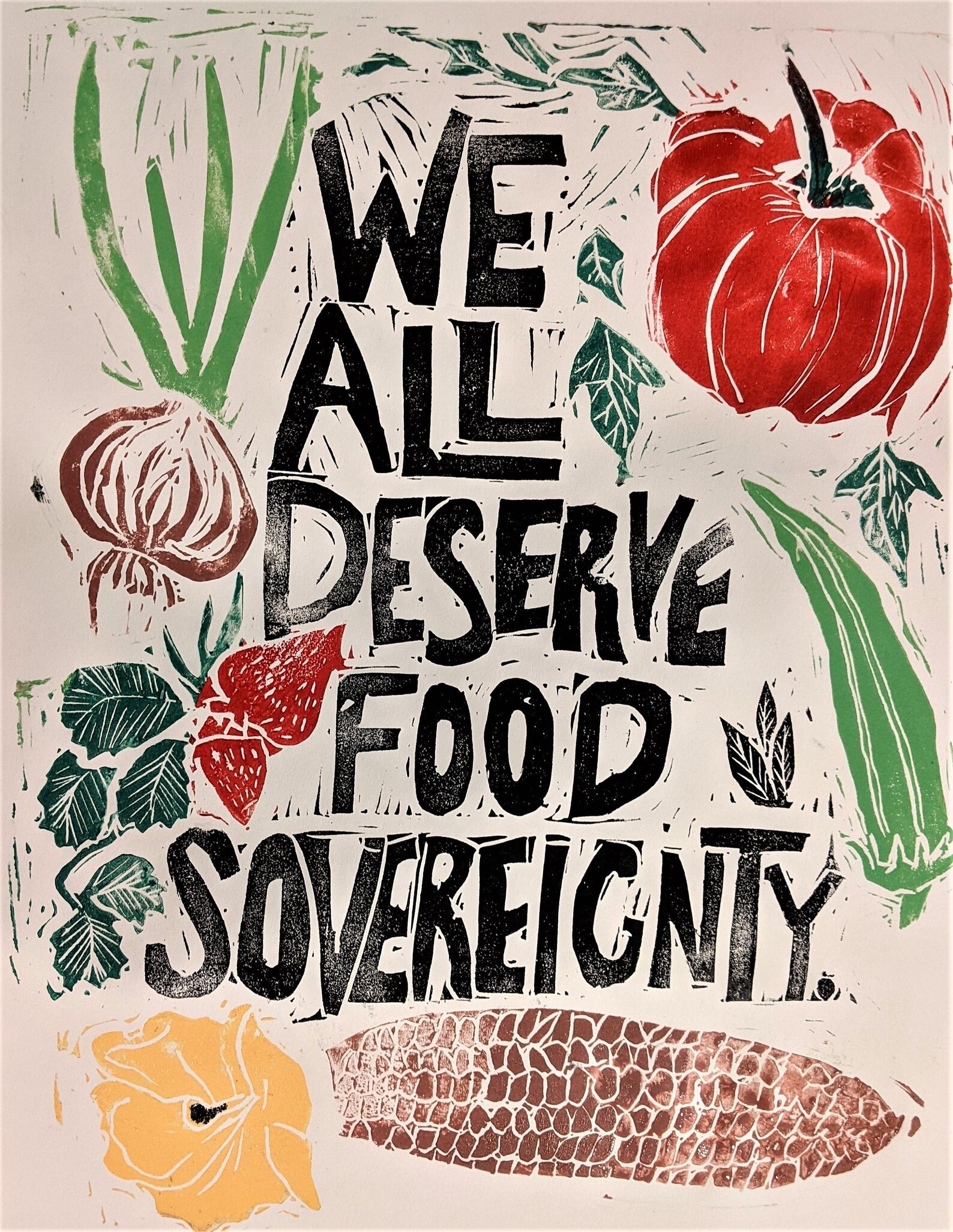
Food sovereignty is a concept that has gained significant attention in recent years. It refers to the right of individuals and communities to have control over their own food systems, including production, distribution, and consumption. This movement emphasizes the importance of local and sustainable food practices, aiming to empower communities to make decisions about what they eat.
One of the key principles of food sovereignty is self-sufficiency. It advocates for reducing dependence on globalized industrial agriculture and promoting local food production instead. By growing their own fruits, vegetables, and grains, communities can ensure access to nutritious and culturally appropriate foods while reducing reliance on imports.
Another important aspect of food sovereignty is sustainability. Traditional agricultural practices that prioritize soil health, biodiversity preservation, and resource conservation are central to this concept. By adopting agroecological methods such as organic farming or permaculture, farmers can minimize environmental impacts while producing healthy crops without relying on chemical inputs.
Food sovereignty also recognizes the significance of cultural diversity in relation to food systems. It highlights traditional knowledge about agriculture and local culinary practices as valuable assets that should be respected and preserved. By supporting small-scale farmers who employ traditional methods passed down through generations, we can help maintain cultural heritage while promoting sustainable ways of producing food.
Furthermore, social justice is an integral component of the food sovereignty movement. It seeks to address inequalities within our current globalized system by advocating for fair wages for farmers and workers throughout the supply chain. Ensuring access to nutritious foods for all people – regardless of income or geographic location – is a fundamental principle underlying this movement.
To achieve food sovereignty goals at both individual and community levels requires collective action from various stakeholders: governments, policymakers, farmers’ organizations, consumers’ associations, non-governmental organizations (NGOs), among others. Policy changes may be necessary at national or international levels to support small-scale farmers against corporate interests that dominate the current agri-food system.
In conclusion – Food sovereignty offers an alternative vision for our food systems, one that is centered around people and the planet. By promoting self-sufficiency, sustainability, cultural diversity, and social justice, this movement aims to empower individuals and communities in making decisions about their food. Embracing food sovereignty can lead us towards healthier eating habits, stronger local economies, and a more sustainable future.

Leave a Reply