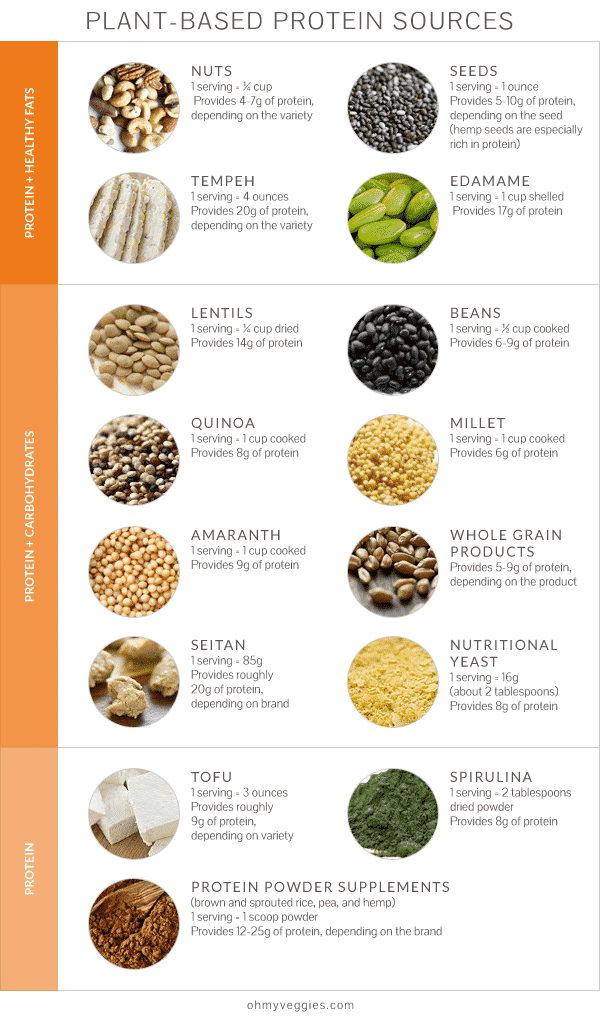
Plant-based diets have gained popularity in recent years due to their numerous health benefits and positive impact on the environment. One of the biggest concerns people often have when considering a plant-based diet is where they will get their protein from. However, there are plenty of plant-based protein sources that can provide all the essential amino acids required for optimal health.
In this article, we will explore some of the best plant-based protein sources available, along with their nutritional profiles and how they can be incorporated into a balanced diet.
1. Lentils
Lentils are an excellent source of plant-based protein, providing approximately 18 grams per cooked cup. They are also high in fiber, folate, iron, and potassium. With various types including green lentils, red lentils, and black lentils available in stores, you can easily incorporate them into soups, salads or use them as a filling for veggie burgers.
2. Quinoa
Quinoa is not only rich in protein (8 grams per cooked cup) but also contains all nine essential amino acids that our bodies need to function properly. It’s also packed with fiber, magnesium, manganese, and phosphorus. Considered a versatile grain substitute or addition to any meal plan due to its nutty flavor and fluffy texture; quinoa works great as a base for salads or as a side dish.
3. Chickpeas
Chickpeas are not just delicious; they’re also an excellent source of plant-based protein (15 grams per cooked cup). These legumes are highly versatile and can be used in various dishes such as hummus spreads or roasted chickpea snacks. Additionally, chickpeas contain dietary fiber which aids digestion and promotes satiety.
4. Tofu
Tofu is made from soybeans and is known for being one of the most popular meat alternatives among vegetarians and vegans alike due to its high protein content (20 grams per 3.5 ounces). It’s also a great source of calcium, iron, and magnesium. Tofu comes in different textures – silken, soft, firm, and extra-firm – making it adaptable to various recipes such as stir-fries, scrambles, or even desserts like tofu chocolate mousse.
5. Tempeh
Tempeh is another soy-based protein source that can be used as an alternative to meat. With its nutty flavor and dense texture, it provides approximately 31 grams of protein per cooked cup. Tempeh is also rich in fiber and contains beneficial probiotics that support gut health. Try marinating tempeh and grilling or baking it for a delicious addition to sandwiches or salads.
6. Chia Seeds
Despite their small size, chia seeds pack a powerful punch when it comes to nutritional value. These tiny seeds provide around 6 grams of protein per ounce along with omega-3 fatty acids, fiber, calcium, manganese, and phosphorus. They can be added to smoothies or sprinkled over yogurt for an extra dose of plant-based protein.
7. Hemp Seeds
Hemp seeds are derived from the Cannabis sativa plant but do not contain THC (the psychoactive compound found in marijuana). They’re an excellent source of complete protein (10 grams per ounce), containing all nine essential amino acids required by our bodies’ needs. Additionally, hemp seeds are rich in healthy fats including omega-3s and omega-6s which promote heart health when consumed as part of a balanced diet.
8. Nut Butter
Almond butter and peanut butter are not only delicious but also high in protein content – around 8 grams per two tablespoons serving size for both options! They’re also packed with healthy fats that help keep you feeling full for longer periods while providing essential nutrients like vitamin E and magnesium.
9. Edamame
Edamame, which are young soybeans, make for a nutritious and protein-rich snack. With approximately 18 grams of protein per cooked cup, edamame is also an excellent source of fiber, folate, vitamin K, and iron. These tasty beans can be enjoyed steamed or added to stir-fries and salads.
10. Seitan
Seitan is a meat substitute made from wheat gluten. It contains about 25 grams of protein per 3-ounce serving and has a chewy texture similar to meat. Seitan is low in fat but should be avoided by those with celiac disease or gluten intolerance.
11. Spirulina
Spirulina is a blue-green algae that’s often consumed as a supplement due to its high nutritional content. It’s packed with protein (around 4 grams per tablespoon), vitamins (including B vitamins), minerals (such as iron), and antioxidants which help fight free radicals in the body.
12. Spinach
While spinach may not have as much protein compared to other sources on this list, it still deserves recognition for its overall nutritional value. Spinach provides around 5 grams of protein per cooked cup along with an array of essential nutrients like iron, calcium, magnesium, vitamin C, and folate.
Remember that variety is key when it comes to incorporating plant-based proteins into your diet. Combining different sources throughout the day ensures you’re getting all the essential amino acids your body needs for optimal health.
Whether you follow a plant-based diet or simply want to incorporate more plant-based proteins into your meals occasionally; these options offer delicious ways to boost your daily intake while reaping numerous health benefits along the way!

Leave a Reply