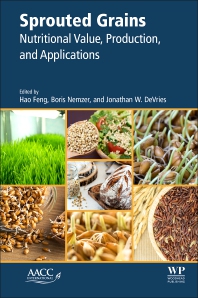
Sprouted Grains in Raw Food Diets
Raw food diets have gained popularity in recent years due to their numerous health benefits. One component of a raw food diet that has been receiving attention is sprouted grains. Sprouting involves soaking grains until they germinate and then consuming them raw or lightly cooked. This process enhances the nutrient content and digestibility of grains, making them an excellent addition to a raw food lifestyle.
When grains are sprouted, several changes occur that make them more nutritious. Firstly, the sprouting process activates enzymes within the grain, which break down complex carbohydrates and proteins into simpler forms that are easier for our bodies to absorb. This increases the availability of nutrients such as vitamins, minerals, and amino acids.
Sprouting also reduces anti-nutrients present in grains such as phytic acid and enzyme inhibitors. These compounds can interfere with nutrient absorption and digestion. By sprouting grains, these anti-nutrients are broken down, allowing for better nutrient absorption when consumed.
Additionally, sprouting increases the antioxidant content of grains. Antioxidants help protect our cells from damage caused by harmful free radicals in our body. By incorporating sprouted grains into a raw food diet, individuals can benefit from increased antioxidant intake.
Some popular types of sprouted grains include wheat berries, quinoa, buckwheat groats, millet, and spelt berries. These can be easily incorporated into daily meals by using them as a base for salads or adding them to smoothies or raw granola mixes.
Fermented Foods and Their Benefits
Fermented foods have been enjoyed by various cultures around the world for centuries due to their unique flavors but also because they offer numerous health benefits. Fermentation is a natural process that breaks down sugars in foods using beneficial bacteria or yeasts resulting in lactic acid production.
One major advantage of fermented foods is their ability to support gut health by increasing beneficial bacteria populations in our digestive system. These bacteria, also known as probiotics, help maintain a healthy balance in our gut microbiome. A balanced gut microbiome is essential for optimal digestion, nutrient absorption, and overall immune function.
Fermented foods are also rich in enzymes that aid in digestion. These enzymes break down complex carbohydrates and proteins into simpler forms that our bodies can absorb more easily. This means that consuming fermented foods alongside raw meals can enhance the digestibility of the entire meal.
Incorporating fermented foods into a raw food diet is simple and delicious. Some common examples of fermented foods include sauerkraut, kimchi, kombucha, kefir, miso, and tempeh. These can be enjoyed as side dishes or incorporated into various recipes such as salads or wraps.
Raw Food Desserts without Added Sweeteners
When people think of desserts, they often associate them with high amounts of sugar and unhealthy ingredients. However, it is possible to enjoy sweet treats while following a raw food diet without compromising on health.
Raw food desserts focus on using natural sweetness from fruits or other whole food ingredients rather than refined sugars or artificial sweeteners. By relying on the natural sweetness found in fruits like dates, bananas, berries, or mangoes along with other flavorful ingredients such as nuts and seeds,
individuals can create delicious desserts without added sweeteners.
One popular example is raw chocolate mousse made by blending avocados with cacao powder and dates for sweetness. Another option is raw fruit tarts made by blending nuts and dried fruits for the crust and topping it with fresh sliced fruits like strawberries or kiwis.
By choosing whole plant-based ingredients packed with fiber,
vitamins
and minerals,
and antioxidants,
raw food desserts not only satisfy your sweet tooth but also provide nourishment to your body.
The Role of Enzymes in Raw Food Digestion
Enzymes play a crucial role in digestion by breaking down food into smaller molecules that our bodies can absorb and utilize. They are responsible for breaking down carbohydrates, proteins, and fats into their respective building blocks.
When it comes to raw food digestion, enzymes are particularly important because raw foods contain naturally occurring enzymes that aid in the breakdown of nutrients. Raw fruits and vegetables, for example, contain enzymes such as amylase, protease,
and lipase
which assist in digesting carbohydrates,
proteins,
and fats respectively.
By consuming raw foods with their natural enzyme content intact,
we can support our body’s digestive process. These enzymes help break down the food we eat more efficiently which enhances nutrient absorption and overall digestion.
It is worth noting that cooking foods above a certain temperature (around 118°F or 48°C) destroys many of these naturally occurring enzymes. This is one reason why incorporating raw foods into your diet is beneficial as it ensures you are getting an adequate supply of digestive enzymes.
Incorporating Seaweed Into a Raw Food Diet
Seaweed has long been recognized as a nutritional powerhouse packed with vitamins, minerals,
and antioxidants. It offers numerous health benefits ranging from supporting thyroid function to promoting heart health. Adding seaweed to a raw food diet can provide an extra boost of nutrition while adding unique flavors and textures to meals.
Seaweeds come in various forms including nori sheets (commonly used for sushi rolls),
dulse flakes (great for sprinkling on salads or soups),
kelp noodles (a low-calorie alternative to pasta), Wakame (perfect for making seaweed salads), and kombu (ideal for making mineral-rich broths).
These different types of seaweeds offer varying levels of iodine, iron,
vitamin C
and other essential nutrients depending on the variety chosen.
Including seaweed in your daily meals not only adds depth to flavor but also increases the diversity of nutrients you consume. Whether you choose to wrap your favorite vegetables in nori sheets, sprinkle dulse flakes on a salad,
or add kelp noodles to a stir-fry,
seaweed can be a versatile and nutritious addition to your raw food diet.
Raw Food Smoothies for Optimal Nutrition
Smoothies are an easy and convenient way to incorporate raw foods into your daily routine. They provide a concentrated source of nutrients while being quick to prepare and easily digestible. Raw food smoothies offer the advantage of preserving the natural enzymes and antioxidants found in fruits, vegetables, nuts,
and seeds.
To create a well-rounded and nutritious smoothie, it is important to include a variety of ingredients such as leafy greens (spinach, kale),
fruits (berries,
bananas),
healthy fats (avocado,
nuts),
and protein sources (hemp seeds,
nut butter).
This combination ensures you are getting a balance of macronutrients along with essential vitamins,
minerals
and phytonutrients.
Consider adding superfoods like spirulina or chia seeds for an extra nutrient boost. These superfoods are packed with antioxidants and other beneficial compounds that support overall health.
The Importance of Soaking Nuts and Seeds in Raw Food Recipes
Nuts
and seeds are commonly used ingredients in raw food recipes due to their nutritional value, texture,
and versatility. However, they also contain enzyme inhibitors that can interfere with digestion if not properly prepared. Soaking nuts
and seeds before consuming them as part of a raw meal is crucial for optimal digestion and nutrient absorption.
Soaking nuts
and seeds helps neutralize enzyme inhibitors by activating the germination process. This process breaks down anti-nutrients present in these foods allowing our bodies to better absorb their nutrients.
Additionally, soaking nuts
and seeds increases their digestibility by breaking down complex carbohydrates which makes them easier on the digestive system.
To soak nuts,
place them in water overnight or for at least 6-8 hours. Rinse them thoroughly before using them in recipes.
Seeds can be soaked in a similar manner, although some varieties like chia seeds do not need to be soaked as they absorb water quickly and naturally form a gel-like consistency.
Incorporating soaked nuts
and seeds into raw food recipes such as salads, desserts,
or homemade nut milk ensures that you are maximizing their nutritional benefits while minimizing digestive discomfort.
Exploring the World of Raw Soups and Gazpachos
Soups are often associated with warmth and comfort, making them popular during colder months. However, raw soups offer a refreshing twist to traditional soup recipes by utilizing fresh fruits,
vegetables,
and herbs without any cooking involved. These raw soups provide an abundance of vitamins,
minerals,
antioxidants
and enzymes that support overall health.
Gazpacho is one example of a popular raw soup made from fresh tomatoes,
cucumbers
and peppers blended together with garlic,
olive oil
and vinegar. It is typically served cold and offers a burst of flavors along with hydrating properties due to its high water content.
Raw soups can also incorporate other ingredients like avocados (for creaminess),
leafy greens (for added nutrients),
or spices (to add depth).
By exploring different combinations of fruits,
vegetables,
herbs, and seasonings, you can create unique flavor profiles that cater to your taste preferences while benefiting from the nutritional value these raw soups provide.
Raw Food Snacks for On-the-Go Lifestyles
Maintaining a healthy diet while on-the-go can be challenging but not impossible when following a raw food lifestyle. With some planning and preparation, you can enjoy delicious and nutritious snacks wherever you are.
Fresh fruits are an obvious choice for portable snacks as they require minimal preparation and come in their own protective packaging. Options such as apples, bananas,
grapes
and oranges are easy to carry and provide a quick source of natural sugars, fiber,
and vitamins.
Raw nuts
and seeds are another convenient snack option. They contain healthy fats, protein,
fiber
and various micronutrients that can keep you feeling satisfied between meals. Consider making your own trail mix by combining different varieties of nuts and seeds along with dried fruits for added sweetness.
Vegetable sticks paired with raw dips like hummus or guacamole are also great choices for on-the-go snacking. Cut up carrot sticks, celery stalks, cucumber slices,
or bell pepper strips ahead of time and pack them in portable containers along with your favorite dip.
By having these raw snacks readily available, you can maintain your raw food lifestyle even when faced with a busy schedule.
Using Sprouts as a Main Ingredient in Raw Dishes
Sprouts are young plants that have just germinated from seeds but haven’t fully developed into mature plants yet. These tiny powerhouses are packed with nutrients such as vitamins C,
A,
E
and K,
minerals (iron,
calcium),
antioxidants
and enzymes making them an excellent addition to any raw food dish.
There is a wide variety of sprouts available including alfalfa sprouts, broccoli sprouts, mung bean sprouts, radish sprouts,
and sunflower sprouts each offering its unique flavor profile and nutritional benefits.
Sprouted grains like quinoa or buckwheat can be used as the base for salads or mixed into other recipes such as veggie burgers or wraps. They add texture and depth while providing an extra dose of nutrients compared to their unsprouted counterparts.
Adding fresh sprouts to sandwiches or wraps adds crunchiness along with additional vitamins and minerals. You can also top soups or stir-fries with a handful of freshly harvested sprouts just before serving to add freshness and nutritional value to the dish.
The Benefits of Juicing in a Raw Food Lifestyle
Juicing is a popular practice among raw food enthusiasts as it allows for the extraction of vital nutrients from fruits and vegetables in an easily digestible form. By removing the fiber, juicing provides a concentrated source of vitamins,
minerals,
and antioxidants that can be quickly absorbed by the body.
One of the main benefits of juicing is its ability to provide a large quantity and variety of fruits and vegetables in one serving. This makes it easier to consume a wide range of nutrients that may be challenging to obtain through whole foods alone.
Juices are also gentle on the digestive system as they require minimal effort for digestion. This can be beneficial for individuals with compromised digestion or those looking for a quick energy boost without burdening their digestive system.
Additionally, juicing allows you to incorporate ingredients that you may not typically enjoy eating, such as leafy greens like kale or spinach. By combining these nutrient-dense ingredients with sweeter fruits like apples or oranges, you can create balanced and flavorful juice blends.
Creative Ways to Incorporate Herbs and Spices into Raw Meals
Herbs
and spices not only add depth and complexity to flavors but also offer numerous health benefits when incorporated into raw meals. They provide an array of phytonutrients,
antioxidants,
and anti-inflammatory compounds that support overall wellbeing.
Fresh herbs like basil, cilantro,
parsley
or mint can be chopped up and added to salads, dressings,
or soups for an extra burst of flavor along with added nutritional value. Dried herbs such as oregano, thyme, rosemary,
or turmeric can be used to season raw dishes or sprinkled over dehydrated snacks for added taste.
Spices like ginger,
cinnamon or cayenne pepper can elevate both sweet and savory raw recipes while providing additional health benefits such as aiding digestion or boosting metabolism respectively.
By experimenting with different herb
and spice combinations, you can create unique flavor profiles that complement your raw meals while reaping the nutritional benefits they offer.
Raw Vegan Cheese Alternatives Made from Nuts and Seeds
For those following a raw vegan lifestyle, finding cheese alternatives that are both delicious and nutritious can be challenging. However, with the use of nuts
and seeds, it is possible to create creamy and flavorful plant-based cheeses that are suitable for a raw food diet.
Nuts like cashews,
almonds,
or macadamia nuts can be soaked in water then blended with various seasonings such as nutritional yeast,
lemon juice,
garlic
and herbs to create a rich and cheesy texture. These nut-based cheeses can be spread on crackers or used as a topping for salads or vegetable dishes.
Seeds like hemp seeds or sunflower seeds can also be blended into creamy cheese-like textures when combined with ingredients like lemon juice,
nutritional yeast,
herbs
and spices. These seed-based cheeses offer an alternative for individuals with nut allergies or those looking to add variety to their raw food diet.
While these plant-based cheese alternatives may not exactly mimic the taste and texture of traditional dairy cheese,
they provide a satisfying option for those seeking an indulgent treat while adhering to a raw vegan lifestyle.
The Impact of Dehydrating on Nutrient Retention in Raw Foods
Dehydrating is a common technique used in the preparation of raw foods that involves removing moisture from fruits, vegetables,
nuts,
seeds
and other ingredients using low heat over an extended period. This process helps preserve the natural enzymes found in these foods while enhancing their flavors and textures.
When dehydrating fruits and vegetables at low temperatures (typically below 118°F or 48°C),
the majority of vitamins, minerals,
antioxidants
and enzymes remain intact. This means that dehydrated foods still retain much of their nutritional value despite the removal of water content.
Dehydrating is particularly useful for creating raw snacks like kale chips, fruit leathers,
or crackers that can be enjoyed on-the-go or as a healthy alternative to processed snacks. These dehydrated foods maintain their shelf life without the need for refrigeration, making them convenient for travel or work.
While dehydrating does cause some loss of nutrients due to heat exposure,
it still allows for a wide range of creative and nutritious raw food options that can be enjoyed in various recipes.
Raw Food Breakfast Ideas Beyond Fruit Bowls
When it comes to raw food breakfasts, many people automatically think of fruit bowls. While fruit bowls are delicious and packed with vitamins and fiber,
there are numerous other options available to create a varied and satisfying raw breakfast experience.
Chia pudding is one popular choice made by soaking chia seeds in plant-based milk overnight until they form a thick gel-like consistency. This versatile base can then be topped with fresh fruits,
nuts,
seeds
and spices like cinnamon or vanilla extract for added flavor.
Another option is smoothie bowls which involve blending frozen fruits along with liquid (such as coconut water or almond milk) until creamy then topping it with an assortment of toppings such as granola, shredded coconut,
and berries. These smoothie bowls provide a refreshing start to the day while offering essential nutrients from fresh fruits and superfood additions.
For those who prefer savory breakfasts, zucchini noodles or spiralized vegetables can be used as a base for veggie-packed dishes like “raw” pad Thai or vegetable stir-fries. These meals offer plenty of fiber, vitamins
and minerals while providing sustenance throughout the morning.
Exploring the Health Benefits of Consuming Edible Flowers in Raw Dishes
Edible flowers have been used in culinary traditions around the world for centuries not only because they add beauty but also because they offer unique flavors along with health benefits. Incorporating edible flowers into raw dishes can elevate their visual appeal while providing additional nutrients.
Some common edible flowers include rose petals, lavender,
nasturtiums
and marigolds. These flowers often have a delicate flavor that ranges from subtly sweet to mildly spicy or bitter.
Edible flowers are packed with antioxidants and other beneficial compounds that support overall health. Their vibrant colors indicate the presence of phytonutrients such as flavonoids and anthocyanins which offer numerous health benefits including anti-inflammatory effects and immune system support.
When using edible flowers in raw recipes, it is important to ensure they are grown organically without the use of pesticides or chemicals. Flowers should be rinsed gently before use and only the petals should be consumed while removing any green parts or stamens.
Raw Vegan Sushi Rolls Using Vegetable Wraps
Sushi rolls are typically made with rice and fish, but for those following a raw vegan lifestyle, vegetable wraps can provide a delicious alternative. By using thinly sliced vegetables as wrappers instead of traditional seaweed nori sheets,
raw vegan sushi rolls offer a creative way to enjoy fresh flavors along with added nutritional benefits.
Choose crisp vegetables like zucchini,
carrots,
or cucumber as your wrap base and carefully slice them lengthwise into thin strips using either a mandoline slicer or sharp knife. Lay your desired fillings (such as avocado slices,
bell peppers,
shredded carrots)
along one edge

Leave a Reply