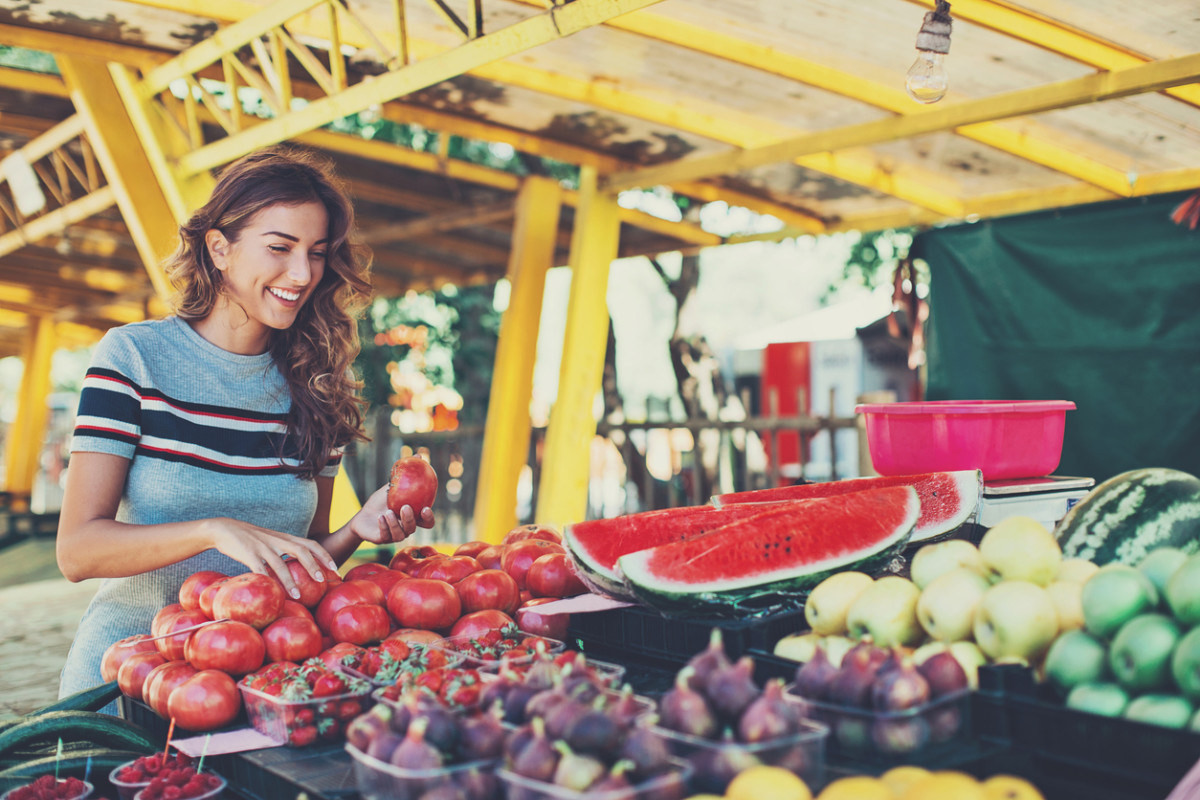
Seasonal eating is a concept that emphasizes the consumption of fruits, vegetables, and other food items that are grown and harvested during specific times of the year. This practice has gained popularity in recent years due to its numerous benefits, including better taste, increased nutritional value, reduced environmental impact, and support for local farmers.
Here are eight reasons why you should consider incorporating seasonal eating into your diet:
1. Superior Taste: When you eat foods at their peak ripeness, they tend to have a more vibrant flavor. Seasonal produce doesn’t need to travel long distances to reach your plate like out-of-season options do. This means that it spends less time in transit or cold storage, allowing it to retain its natural flavors and textures.
2. Increased Nutritional Value: Seasonal foods are often richer in essential nutrients compared to their out-of-season counterparts. As soon as produce is harvested, it starts losing vitamins and minerals through exposure to light, air, and temperature changes. By consuming seasonal fruits and vegetables when they are freshly picked from the plant or tree, you maximize your intake of important nutrients.
3. Support for Local Agriculture: Eating seasonally supports local farmers by providing them with a stable customer base throughout the year. By purchasing locally grown food items that are in season instead of imported ones or those grown in greenhouses artificially heated during colder months, you contribute directly to your community’s economy.
4. Environmental Benefits: Choosing seasonal ingredients helps reduce carbon emissions associated with transportation since the distance traveled from farm to table is significantly shorter than importing products from distant regions or countries. Additionally, buying locally reduces packaging waste commonly found when shipping products over long distances.
5. Cost-Effective Option: Seasonal produce tends to be more affordable since there is usually an abundance of it during its peak harvest time. Farmers can sell their crops at lower prices because they don’t have additional costs associated with storing or transporting them over long distances.
6. Variety in Your Diet: Eating seasonally encourages you to try different fruits and vegetables throughout the year, expanding your palate and ensuring a diverse range of nutrients in your diet. For example, during the summer months, you can enjoy juicy watermelons, berries, and refreshing salads. In contrast, autumn brings an array of squashes, root vegetables like carrots and beets, and hearty greens such as kale.
7. Connection with Nature’s Cycles: Embracing seasonal eating allows you to reconnect with nature’s rhythms and cycles. You become more aware of the changing seasons and the foods that are naturally abundant during each period. This connection can foster a deeper appreciation for the environment and its impact on our well-being.
8. Culinary Creativity: Eating seasonally challenges you to think outside the box when it comes to meal planning and cooking techniques. When certain ingredients are limited or unavailable during specific times of the year, you’re encouraged to find creative alternatives or experiment with new recipes using what is readily available.
Now that we understand why seasonal eating is beneficial let’s explore some key tips on how to incorporate this practice into your daily life:
1. Get familiar with local growing seasons: Research which fruits and vegetables thrive in your region during different times of the year. Local farmer’s markets or online resources can provide valuable information about what produce is in season near you.
2. Plan meals around seasonal ingredients: Once you know what is currently in season locally, plan your meals accordingly by incorporating those specific fruits and vegetables into your recipes.
3. Preserve produce for later use: During peak harvest times when prices are low or if there is an abundance of a particular ingredient, consider preserving it for future use through methods like freezing or canning.
4. Buy directly from farmers’ markets or join Community Supported Agriculture (CSA) programs: By purchasing directly from local farmers at farmers’ markets or joining CSA initiatives where you receive a weekly box of seasonal produce directly from the farm, you can ensure that you’re getting the freshest, most sustainably grown ingredients.
5. Experiment with new recipes: Seasonal eating encourages culinary creativity and trying out new recipes. Look for cookbooks or online resources that focus on utilizing seasonal ingredients to inspire your meal planning.
6. Adapt recipes to include seasonal substitutes: If a recipe calls for an ingredient that is out-of-season, look for suitable substitutions using fruits and vegetables that are currently in season.
7. Preserve traditional methods of food preservation: Explore traditional techniques such as fermenting, pickling, or drying foods to extend their shelf life while maintaining their nutritional value.
8. Educate yourself and others: Spread awareness about the benefits of seasonal eating by sharing your knowledge with friends and family. Encourage them to join you in supporting local farmers and enjoying the flavors of each season.
In conclusion, incorporating seasonal eating into your lifestyle offers numerous advantages ranging from superior taste and increased nutritional value to support for local agriculture and reduced environmental impact. By embracing this concept, you not only improve your well-being but also contribute positively to your community’s economy and our planet’s sustainability. So why not start exploring what nature has to offer during each season and embark on a journey towards healthier choices?

Leave a Reply