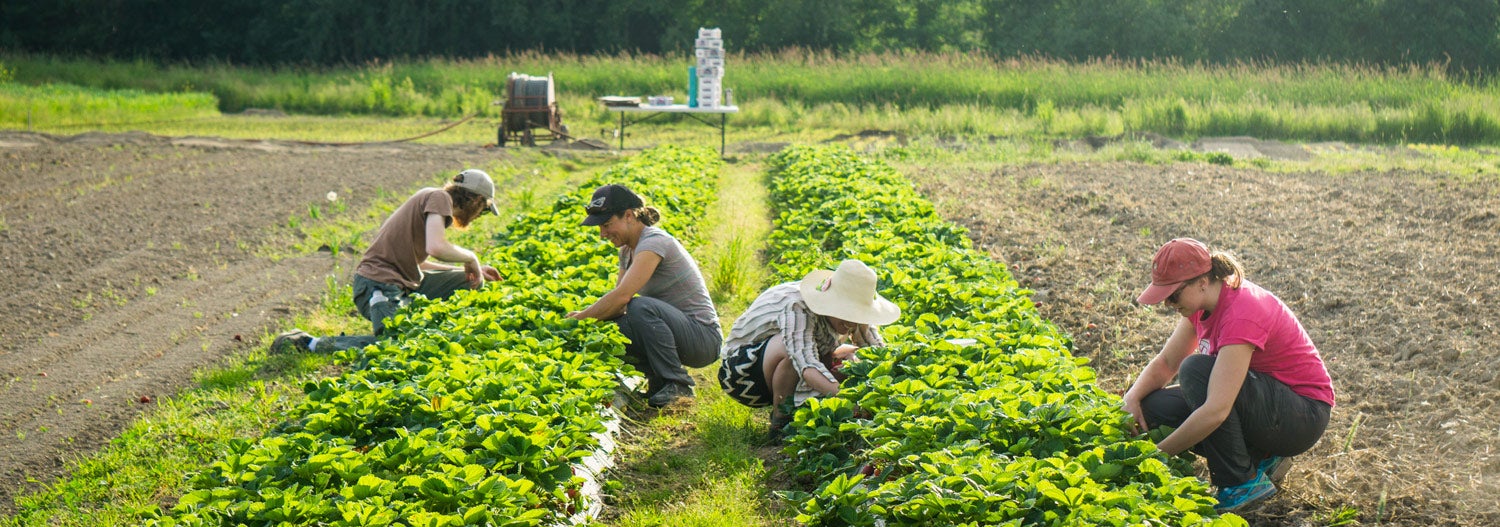
Sustainable farming practices play a crucial role in ensuring the health and well-being of our planet, as well as the quality of the food we consume. With growing concerns about climate change and environmental degradation, it’s more important than ever to adopt agricultural methods that minimize harm to ecosystems and promote long-term sustainability.
One key aspect of sustainable farming is soil management. Healthy soil is essential for plant growth and biodiversity, as well as carbon sequestration. Farmers can employ various techniques to enhance soil health, such as crop rotation, cover cropping, and organic matter addition. Crop rotation involves planting different crops in succession on the same piece of land, which helps prevent pests and diseases from building up while improving soil fertility. Cover cropping involves planting certain plants during fallow periods to protect the soil from erosion, increase organic matter content, and fix nitrogen naturally.
Another vital practice is water conservation. Agriculture accounts for a significant portion of global water usage; therefore, implementing efficient irrigation systems is essential for sustainable farming. Traditional flood irrigation methods are highly inefficient since much of the water evaporates or runs off without reaching plant roots effectively. Drip irrigation systems deliver water directly to plants’ root zones using tubes or pipes with small holes or emitters placed near each plant. This method not only conserves water but also reduces weed growth by targeting watering precisely where it’s needed.
Furthermore, integrated pest management (IPM) plays a critical role in sustainable agriculture by reducing reliance on chemical pesticides that can harm both human health and the environment. IPM combines biological controls (such as introducing natural predators), cultural practices (like crop rotation), physical barriers (such as nets), and targeted pesticide use only when necessary. By adopting these strategies, farmers can maintain pest populations at tolerable levels while minimizing chemical inputs.
In addition to these specific practices, agroforestry has gained attention in recent years due to its numerous benefits for both farmers and the environment. Agroforestry involves integrating trees and shrubs into agricultural landscapes, providing shade, windbreaks, erosion control, and additional sources of income. Trees also sequester carbon from the atmosphere, thus contributing to climate change mitigation. Agroforestry systems can be designed in various ways, such as alley cropping (planting crops between rows of trees), silvopasture (combining livestock grazing with trees), or forest farming (growing understory crops beneath a forest canopy).
Sustainable farming practices also include reducing waste and promoting biodiversity. Farmers can minimize food waste by selling imperfect produce that may not meet cosmetic standards but is perfectly nutritious for consumption. Additionally, adopting regenerative practices like agroecology helps restore biodiversity by creating habitats for beneficial insects and wildlife.
To support sustainable farming practices at a larger scale, policymakers need to implement incentives and regulations that encourage farmers to adopt these methods. Financial incentives can help offset the initial costs associated with transitioning to more sustainable practices. Governments should also invest in research and education programs to provide farmers with up-to-date information on best practices.
In conclusion, embracing sustainable farming practices is crucial for preserving our planet’s health while ensuring a steady supply of healthy food for future generations. By implementing soil management techniques like crop rotation and cover cropping, conserving water through efficient irrigation systems, practicing integrated pest management, adopting agroforestry methods, reducing waste, and supporting biodiversity conservation efforts – we can all contribute to building a more sustainable future in agriculture.

Leave a Reply