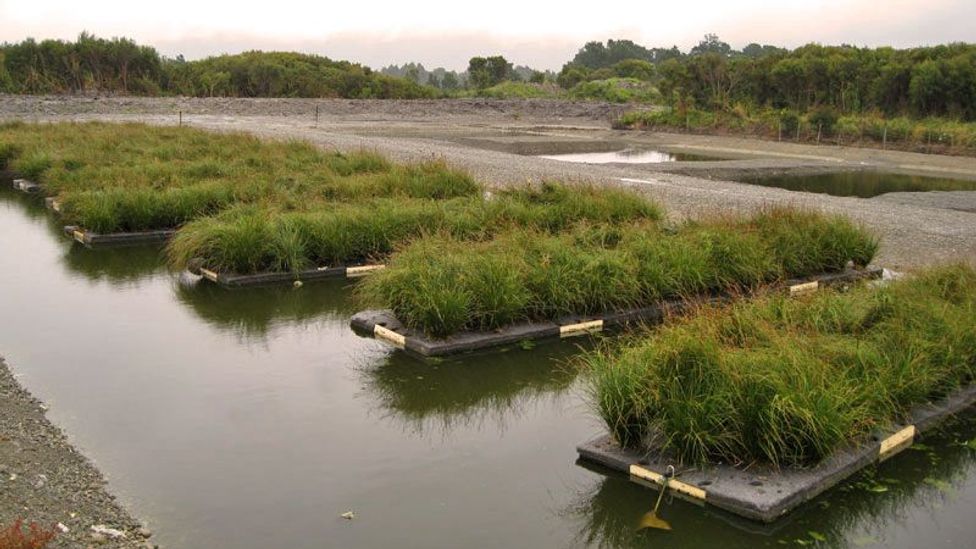
Wetlands are an essential part of our ecosystem, playing a vital role in maintaining healthy environments and supporting various forms of life. These unique habitats are characterized by the presence of water, either permanently or seasonally, which creates diverse conditions for both terrestrial and aquatic species.
One significant benefit of wetlands is their ability to filter and purify water. As water flows through these areas, plants and microorganisms present in the wetland help remove pollutants and excess nutrients, making the water cleaner before it reaches other bodies like rivers or lakes. This purification process helps maintain the overall quality of our freshwater systems.
Moreover, wetlands provide crucial habitats for a wide array of plant and animal species. They serve as breeding grounds for many migratory birds, nesting sites for amphibians like frogs and salamanders, and nurseries for fish species. Wetland vegetation also acts as natural buffers against flooding by absorbing excess rainwater during heavy downpours.
In addition to their ecological significance, wetlands offer numerous recreational opportunities. Many people enjoy birdwatching or wildlife observation in these serene environments. Some wetlands may even allow activities like fishing or boating when managed sustainably.
However, despite their importance, wetlands face numerous threats such as urbanization, pollution from agricultural runoff or industrial waste disposal, climate change-induced sea-level rise leading to saltwater intrusion into freshwater marshes, among others. Efforts should be made to conserve existing wetlands through legislation and restoration projects while educating the public about their value.
By understanding the importance of wetlands and taking steps towards their preservation, we can ensure healthier ecosystems that benefit not only wildlife but also ourselves by providing clean water sources and recreational spaces close to nature’s heart.

Leave a Reply