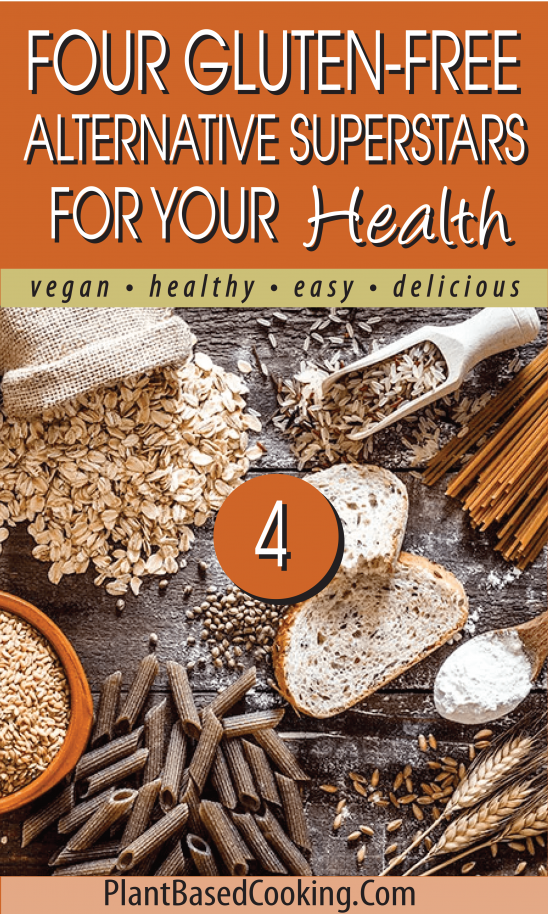
Gluten-free Alternatives: Exploring Healthy and Delicious Options
In recent years, there has been a surge in popularity for gluten-free diets. Whether due to medical necessity or personal choice, individuals are seeking alternatives that cater to their dietary needs. Fortunately, the market is now filled with a variety of gluten-free options that not only provide a safe alternative but also deliver on taste and nutrition. In this article, we will explore some of the best gluten-free alternatives available today.
1. Quinoa – Often referred to as a superfood, quinoa is an excellent gluten-free substitute for grains like wheat and barley. This versatile grain is packed with protein and essential amino acids while being naturally free from gluten. It can be used in salads, soups, stir-fries or even as a replacement for rice in pilafs or side dishes.
2. Cauliflower – As surprising as it may sound, cauliflower has become one of the go-to ingredients when it comes to creating delicious gluten-free alternatives. From cauliflower pizza crusts to cauliflower rice, this vegetable offers a low-carb option that mimics traditional favorites without sacrificing flavor or texture.
3. Legume-based Flours – For those who love baking but need to avoid gluten-containing flours such as wheat flour, legume-based flours can be an excellent substitution. Chickpea flour (also known as gram flour) and almond meal are just two examples of these nutritious alternatives that add both flavor and nutrients into your baked goods.
4. Zucchini Noodles – If you crave pasta but want to avoid the glutinous varieties, zucchini noodles (or “zoodles”) are an ideal choice. By using a spiralizer or julienne peeler, you can transform fresh zucchinis into long strands resembling spaghetti noodles—lighter on calories yet still satisfyingly delicious.
5. Millet – Another ancient grain worth exploring is millet—an often-overlooked gluten-free alternative that has a mild, nutty flavor. It can be used as an ingredient in porridge, salads, or even ground into flour for baking purposes. Millet is rich in fiber and essential minerals such as magnesium and phosphorus.
6. Coconut Aminos – For individuals who need to avoid soy sauce due to its gluten content, coconut aminos are an excellent substitute. Derived from the sap of coconut blossoms, this condiment provides a similar umami flavor without any traces of gluten or soy. Use it in stir-fries, marinades, dressings, or wherever you would typically use soy sauce.
7. Nut Butters – Instead of reaching for spreads containing gluten-containing grains like breads or crackers, opt for natural nut butters such as almond butter or cashew butter. These creamy and flavorful alternatives provide healthy fats and protein while being perfect for spreading on rice cakes or sliced fruits.
8. Chia Seeds – Chia seeds have gained popularity over the years due to their nutritional benefits and versatility in recipes. They work wonderfully as a binding agent when mixed with water (creating an egg-like texture), making them ideal for vegan baking recipes that require structure without relying on gluten.
It’s important to note that while these alternatives are free from gluten, they may still come into contact with trace amounts during processing or manufacturing processes—especially if cross-contamination occurs at facilities handling wheat-based products. Always check labels carefully and look out for certified gluten-free symbols to ensure your chosen product meets your dietary needs.
In conclusion, adopting a gluten-free diet doesn’t mean sacrificing taste and variety in your meals; there are plenty of delicious alternatives available today. By exploring options such as quinoa, cauliflower variations, legume-based flours, zucchini noodles, millet grain varieties like chia seeds along with coconut aminos and nut butters – you can create enjoyable dishes while maintaining a healthy and gluten-free lifestyle.

Leave a Reply