Portion Control for Diabetes Management: A Balanced Approach to Healthy Eating
Introduction:
When it comes to managing diabetes, one of the most important factors is maintaining a balanced diet. While food choices are crucial, portion control plays an equally significant role in managing blood sugar levels and overall health. In this article, we will explore the importance of portion control for diabetes management and provide practical tips on how to implement it into your daily routine.
Understanding Portion Control:
Portion control refers to eating the right amount of food at each meal or snack. It involves being aware of serving sizes and ensuring that you consume appropriate portions from every food group. For individuals with diabetes, portion control helps regulate blood sugar levels by preventing excessive intake of carbohydrates, fats, and calories.
The Benefits:
1. Blood Sugar Management:
By controlling portion sizes, you can better manage your blood sugar levels throughout the day. Consuming consistent amounts of carbohydrates helps prevent spikes or drops in glucose levels.
2. Weight Management:
Controlling portions also aids in weight management—an essential aspect for individuals with diabetes. By consuming appropriate amounts of food, you can avoid overeating and maintain a healthy weight.
3. Improved Nutrient Intake:
Proper portion control allows for a more balanced diet by including all essential nutrients such as proteins, carbohydrates, healthy fats, vitamins, and minerals in adequate quantities.
Practical Tips for Portion Control:
1. Read Food Labels:
Become familiar with serving sizes mentioned on packaged foods as they often differ from what we consider normal portions.
2. Use Measuring Tools:
To get an accurate idea of serving sizes initially, use measuring cups or a kitchen scale until you develop a good sense of proper portions visually.
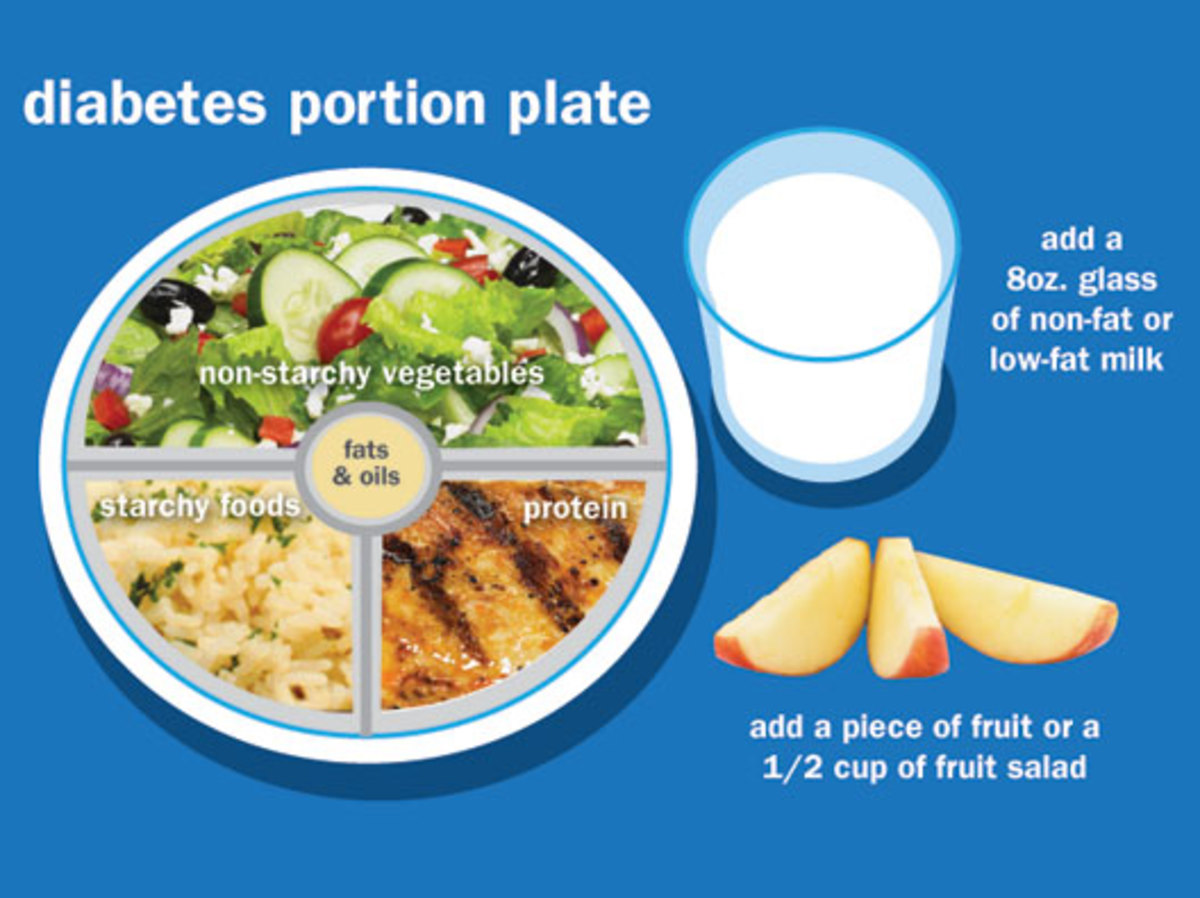
3. Fill Half Your Plate with Non-Starchy Vegetables:
Vegetables like leafy greens, broccoli, peppers are low in calories but high in fiber and nutrients—filling half your plate with these helps keep portions in check and promotes satiety.
4. Control Carbohydrate Portions:
Carbohydrates have the most significant impact on blood sugar levels, so it’s crucial to monitor their intake. Aim for around 45-60 grams of carbohydrates per meal, depending on individual requirements.
5. Choose Lean Proteins:
Opt for lean proteins such as skinless poultry, fish, tofu, or legumes. These provide essential nutrients without excessive fats and calories.
6. Be Mindful of Fats:
While healthy fats like avocados and nuts are beneficial in moderation, they are calorie-dense. Limit portion sizes to maintain a balanced diet.
7. Practice Portion Distortion Techniques:
Use visual cues to estimate proper portion sizes—for example, a deck of cards represents an appropriate serving size for meat or fish.
Conclusion:
Portion control is an integral part of diabetes management that helps regulate blood sugar levels and maintain overall health. By understanding serving sizes and implementing practical tips like reading food labels or using measuring tools, individuals can make informed choices about their portions each day. With consistent practice and mindful eating habits, portion control becomes second nature—a powerful tool in managing diabetes effectively while enjoying a balanced diet.

Leave a Reply