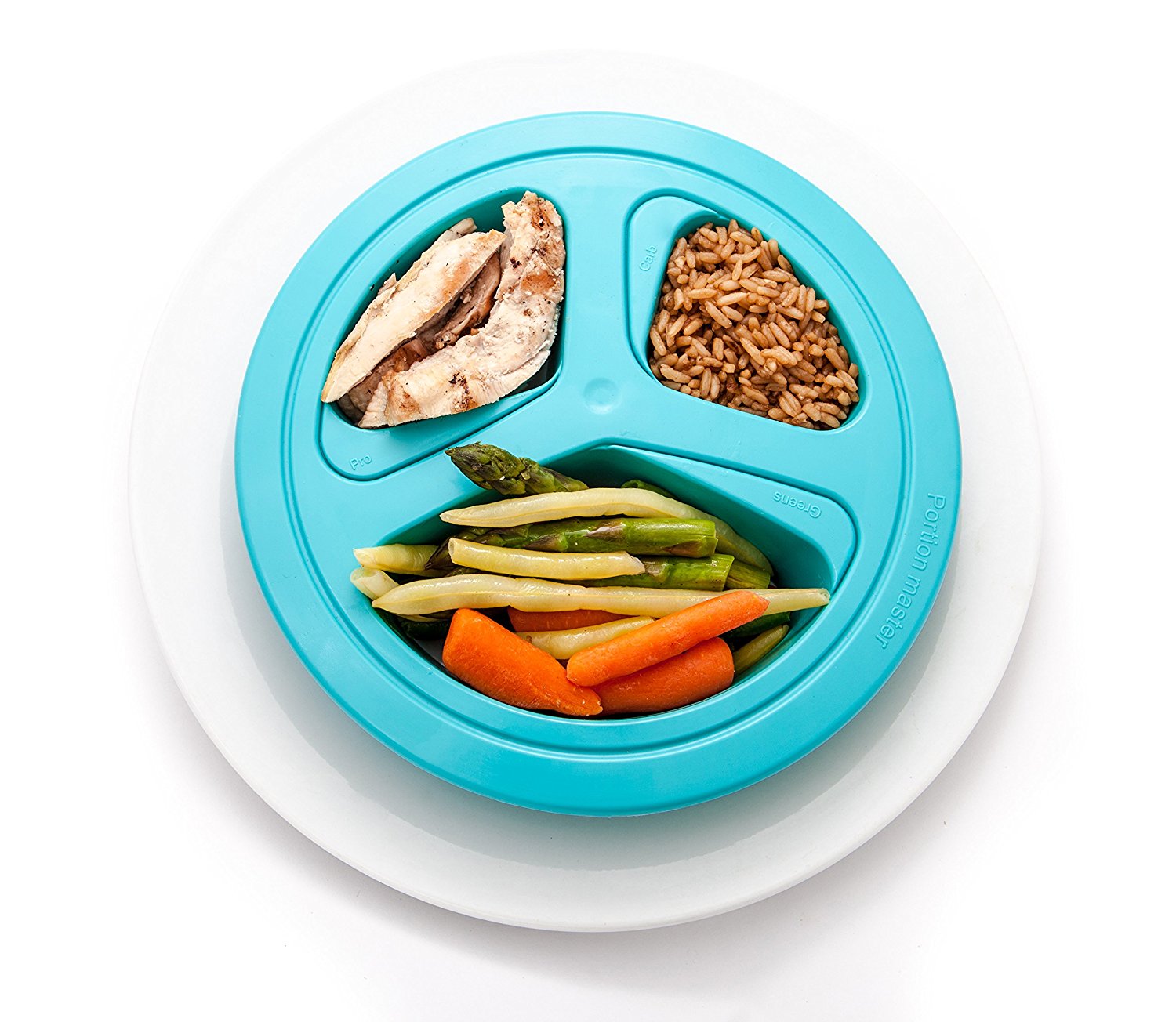
Portion Control: A Key to Healthy Eating
In today’s fast-paced world, where convenience foods and supersized portions have become the norm, maintaining a healthy diet can be challenging. One effective strategy for managing our food intake is portion control. By understanding the psychological impact of portion control, adapting it to different lifestyles and dietary preferences, and recognizing its importance in various aspects of health, we can make informed choices that promote overall well-being.
1. The Psychological Impact of Portion Control
Portion control not only affects our physical health but also has a significant psychological impact. Research suggests that larger portions can lead to overeating by triggering an “all-or-nothing” mentality and encouraging mindless eating. Conversely, practicing portion control promotes mindfulness around food consumption and fosters healthier eating habits.
Adopting smaller plate sizes or using visual cues like measuring cups can help create a sense of fullness while reducing perceived portion size. Additionally, slowing down while eating allows time for satiety signals to reach the brain, preventing overeating.
2. Portion Control for Picky Eaters
For individuals with selective palates or picky eaters who may struggle with trying new foods or consuming adequate nutrients, portion control offers a helpful approach.
By presenting small portions of new or disliked foods alongside familiar favorites on their plates, picky eaters are more likely to explore diverse flavors without feeling overwhelmed. Gradually increasing the serving sizes helps build acceptance towards previously disliked items over time.
3. Portion Control and Social Situations
Social gatherings often revolve around food and drinks, making it easy to indulge in oversized servings without realizing it. Engaging in mindful portion control during these events ensures that we enjoy ourselves without compromising our nutritional goals.
Before attending social functions or parties where large amounts of food will be available, planning ahead is crucial. Setting reasonable limits beforehand helps maintain self-control when faced with tempting options.
4. Portion Control for Athletes and Active Individuals
Athletes and physically active individuals have unique dietary requirements. Portion control plays a vital role in ensuring they consume enough fuel to support their activity levels without overeating.
For optimal performance, athletes should focus on consuming adequate protein, carbohydrates, and healthy fats while maintaining portion sizes appropriate for their energy needs. Consulting with a registered dietitian can help determine individualized portions tailored to specific sport or fitness goals.
5. The Role of Portion Control in Weight Loss Maintenance
Portion control is an essential component of weight loss maintenance. After successfully shedding pounds, it’s crucial to continue practicing portion control to avoid weight regain.
By recalibrating our understanding of appropriate serving sizes and becoming more mindful about our food choices, we can sustain long-term weight loss success. Regularly monitoring portion sizes using measuring tools or visual references ensures that we stay on track with our health goals.
6. Portion Control and Mindful Eating Practices
Mindful eating involves paying close attention to the sensory experience of eating while being aware of hunger cues and satiety signals. Employing portion control techniques enhances mindful eating practices by promoting conscious awareness during meals.
To practice mindful eating through portion control, start by taking smaller bites and savoring the flavors and textures of each mouthful. Chew slowly and put your utensils down between bites, allowing yourself time to fully enjoy your meal while recognizing feelings of satisfaction before reaching for seconds.
7. Portion Control for Children and Teenagers
Teaching children proper portion control from an early age sets them up for a lifetime of healthy choices. By providing age-appropriate serving sizes that align with their nutritional needs, parents can foster balanced eating habits in their children.
Using visual aids such as hand measurements or dividing plates into different food groups helps kids understand what constitutes an appropriate amount at each mealtime. Encouraging children to listen to their bodies’ hunger cues also promotes self-regulation and prevents overeating.
8. The Impact of Portion Sizes on Food Waste
Overly generous portion sizes contribute to excessive food waste, which has significant environmental implications. By practicing portion control, we can minimize food waste while promoting sustainability.
Planning meals in advance and shopping with a list helps prevent impulse purchases that may lead to excess portions going uneaten. Additionally, storing leftovers properly and repurposing them for future meals reduces unnecessary waste.
9. Portion Control Strategies for Dining Out or Ordering Takeout
Eating out poses challenges when it comes to portion control since restaurant servings are often larger than what we would typically consume at home. However, several strategies can help navigate these situations successfully.
Sharing an entrée with a dining companion or immediately boxing up half the meal before starting to eat are effective ways to control portions when dining out. Opting for healthier side dishes or requesting dressings and sauces on the side also allows greater control over overall intake.
10. The Importance of Portion Control in Preventing Overeating Disorders
Portion control plays a vital role in preventing overeating disorders such as binge eating disorder (BED) and emotional eating habits.
By understanding appropriate serving sizes and distinguishing between physical hunger and emotional cues, individuals can develop a healthier relationship with food. Seeking support from healthcare professionals or therapists specializing in disordered eating behaviors is essential for those struggling with these conditions.
Conclusion:
Incorporating portion control into our daily lives empowers us to make mindful choices about our nutrition, maintain healthy body weight, optimize athletic performance, promote sustainable practices, and cultivate positive relationships with food. Whether aiming for weight management or overall well-being, adopting portion control as a fundamental aspect of healthy eating lays the foundation for long-term success.

Leave a Reply