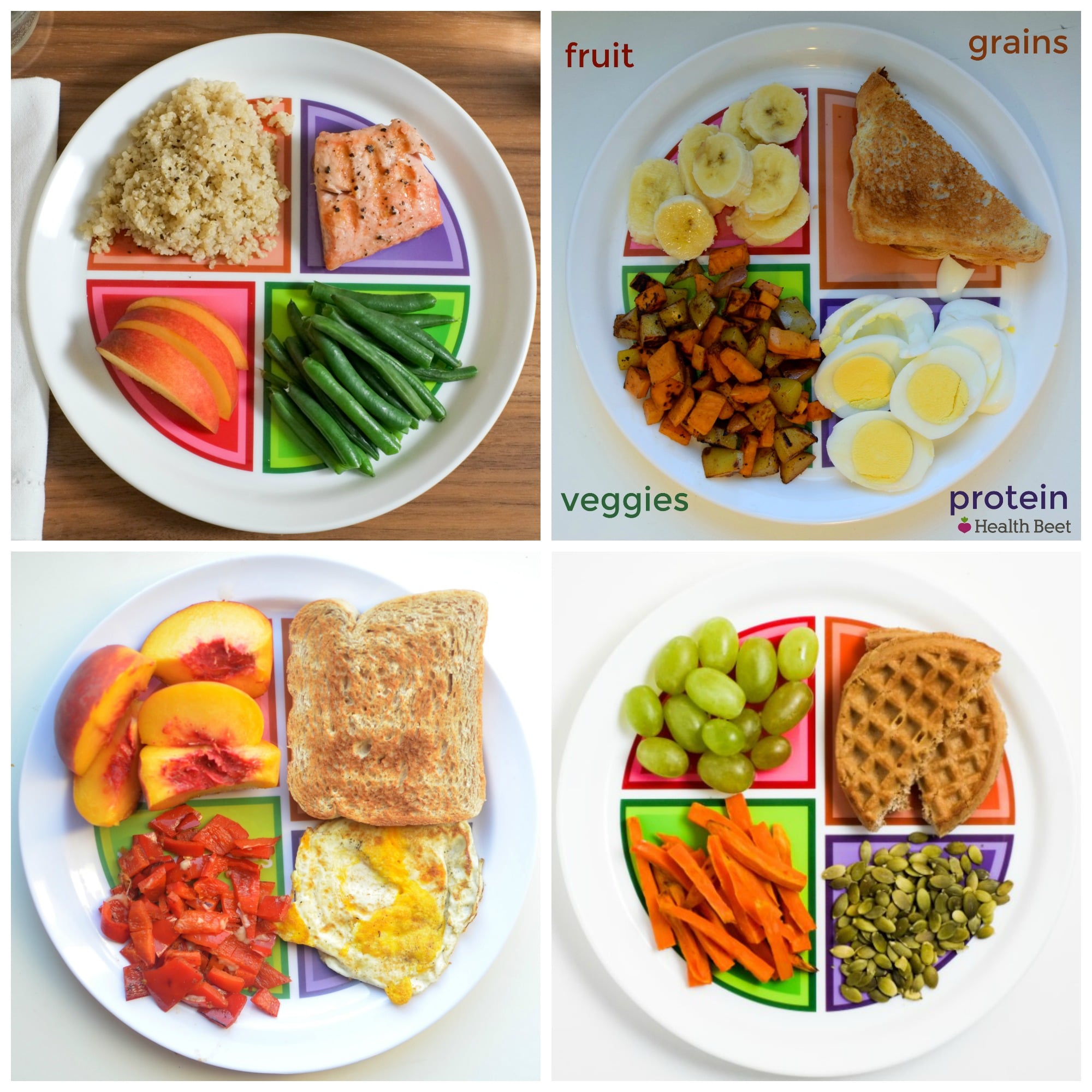
Portion Control and Food Labels: Reading Tips for Healthy Eating
Maintaining a balanced diet is crucial for overall health and well-being. One important aspect of healthy eating is portion control. It’s easy to overindulge when we don’t pay attention to how much we eat, leading to weight gain and other health issues. Understanding portion sizes and reading food labels can help us make informed choices about the foods we consume. In this article, we will provide some useful tips on portion control and how to effectively read food labels.
1. Understanding Portion Sizes:
Portion sizes have significantly increased over the years, which has contributed to the rise in obesity rates. To avoid consuming too many calories, it’s essential to understand what constitutes a proper portion size. Familiarize yourself with common measurements like cups, ounces, or tablespoons as mentioned on nutrition labels. Additionally, using visual cues such as comparing food portions with familiar objects (e.g., a deck of cards for meat) can be helpful in estimating appropriate serving sizes.
2. Practicing Mindful Eating:
Mindful eating involves paying full attention to the act of eating without distractions like television or smartphones. This practice encourages individuals to savor each bite and recognize their body’s hunger and fullness signals. By being more aware of our body’s needs, we can prevent overeating and promote healthier habits.
3. Reading Food Labels:
Food labels provide valuable information about nutritional content that can guide our food choices toward healthier options. Start by checking the serving size listed on the label; this helps determine if you’re consuming more or less than what is recommended per serving.
Next, evaluate key nutrients such as calories per serving, fats (including saturated fats), sodium levels, carbohydrates (including sugars), fiber content, vitamins, minerals – all of which impact our daily dietary requirements.
When comparing different products within a category (e.g., yogurts), use the “per 100g” or “per 100ml” column to make accurate comparisons. This allows you to see the relative nutritional value of similar products.
4. Be Wary of Hidden Ingredients:
Food labels often contain hidden ingredients, such as added sugars and artificial additives, which can be harmful in excessive amounts. To ensure you’re making a healthier choice, scan the ingredient list for any unfamiliar or unpronounceable items. Opting for foods with fewer ingredients and more natural components is generally a safer bet.
5. Seek Professional Guidance:
If portion control proves challenging or if there are specific dietary concerns, consulting with a registered dietitian or nutritionist can provide individualized advice tailored to your needs. These professionals can help decipher food labels, recommend appropriate portion sizes based on your goals, and develop personalized meal plans that promote healthy eating habits.
By practicing portion control and effectively reading food labels, we can make informed decisions about what and how much we eat. Remember that small changes in our eating habits can have significant long-term benefits for our health and well-being. So start incorporating these tips into your daily routine today!

Leave a Reply