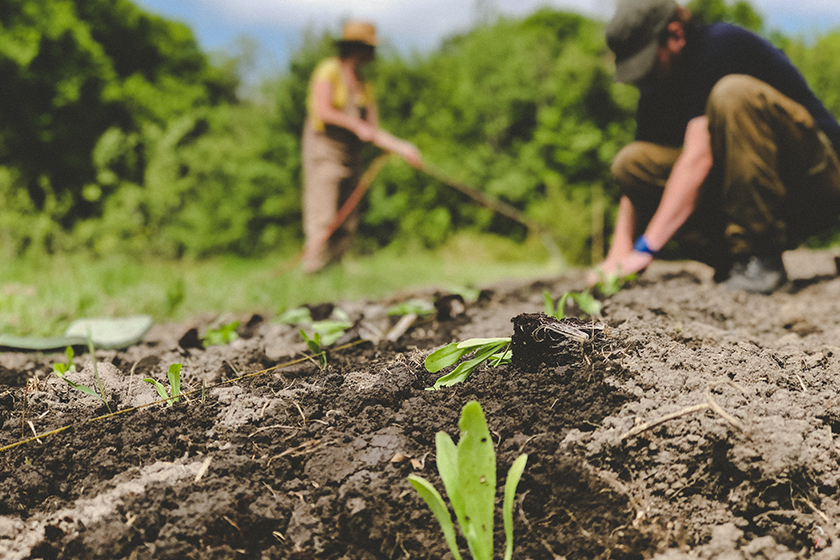
Biodiversity Conservation in Agriculture: Promoting a Healthy and Sustainable Future
Introduction:
In recent years, there has been an increasing concern about the impact of modern agricultural practices on the environment and biodiversity. As we strive to feed a growing global population, it is crucial that we find ways to balance agricultural production with the preservation of our planet’s diverse ecosystems. Biodiversity conservation in agriculture offers a solution that not only protects the natural environment but also ensures long-term food security and supports sustainable farming practices.
What is Biodiversity Conservation?
Biodiversity refers to the variety of life on Earth, including different species of plants, animals, and microorganisms, as well as their genetic diversity within each species. Biodiversity conservation focuses on maintaining or restoring this variety by protecting habitats, promoting sustainable land use practices, and minimizing human impact on ecosystems.
The Importance of Biodiversity in Agriculture:
1. Enhancing Ecosystem Services:
Biodiverse agricultural systems support various ecosystem services such as pollination, nutrient cycling, soil fertility maintenance, pest regulation, and water purification. For example, bees and other pollinators play a vital role in crop production by transferring pollen between flowers. By conserving biodiversity within farms or creating habitat corridors around them, farmers can enhance these ecosystem services naturally without relying heavily on chemical inputs.
2. Genetic Diversity:
Crop genetic diversity is critical for breeding new varieties that are resistant to pests and diseases while adapting to changing environmental conditions like climate change. Traditional farming systems that embrace biodiversity often preserve native or heirloom crop varieties with unique traits such as drought tolerance or disease resistance. Maintaining this genetic diversity helps safeguard food security by ensuring a constant supply of resilient crops.
3. Soil Health:
Healthy soils are essential for productive agriculture. A biodiverse system encourages beneficial soil organisms like earthworms and decomposers that improve soil structure while enhancing nutrient availability for plants. Diverse plant cover reduces erosion risks, conserves moisture, and contributes to soil fertility. By adopting agroecological practices like cover cropping and crop rotation, farmers can protect their soils while diversifying their income sources.
Strategies for Biodiversity Conservation in Agriculture:
1. Agroforestry:
Integrating trees into agricultural landscapes offers numerous benefits for both biodiversity and farming communities. Agroforestry systems provide shade, prevent soil erosion, promote water retention, enhance carbon sequestration, and create habitats for wildlife. Furthermore, they offer additional income streams through timber production or non-timber forest products such as fruits or medicinal plants.
2. Organic Farming:
Organic farming practices avoid the use of synthetic pesticides and fertilizers that harm beneficial insects and contribute to water pollution. Instead, organic farmers rely on natural alternatives like companion planting or biological control methods to manage pests effectively. Additionally, organic agriculture emphasizes building healthy soils through composting, cover cropping, and crop rotation.
3. Wildlife-Friendly Farming:
Creating wildlife-friendly habitats within agricultural landscapes can support a diverse array of species that play crucial roles in ecosystem functioning. Farmers can implement measures such as leaving field margins uncultivated or establishing hedgerows with native plants to provide corridors for wildlife movement while promoting pollination services and natural pest control.
4. Seed Saving Initiatives:
Seed saving is an essential practice to preserve traditional crop varieties that have adapted over generations to specific local conditions. By participating in seed saving initiatives or supporting local seed banks, farmers not only conserve genetic diversity but also gain access to regionally adapted seeds that are well-suited for their specific environments.
Conclusion:
Biodiversity conservation in agriculture is vital for building resilient food systems capable of withstanding environmental challenges while ensuring long-term sustainability. By embracing strategies such as agroforestry, organic farming techniques,
wildlife-friendly practices ,and seed-saving initiatives ,we can foster the coexistence of thriving ecosystems alongside productive and healthy farms. As consumers, we also play a crucial role in supporting biodiversity conservation by choosing sustainably produced food and advocating for policies that promote environmentally friendly farming practices. Together, we can create a future where agriculture flourishes while safeguarding the planet’s incredible biodiversity for generations to come.

Leave a Reply