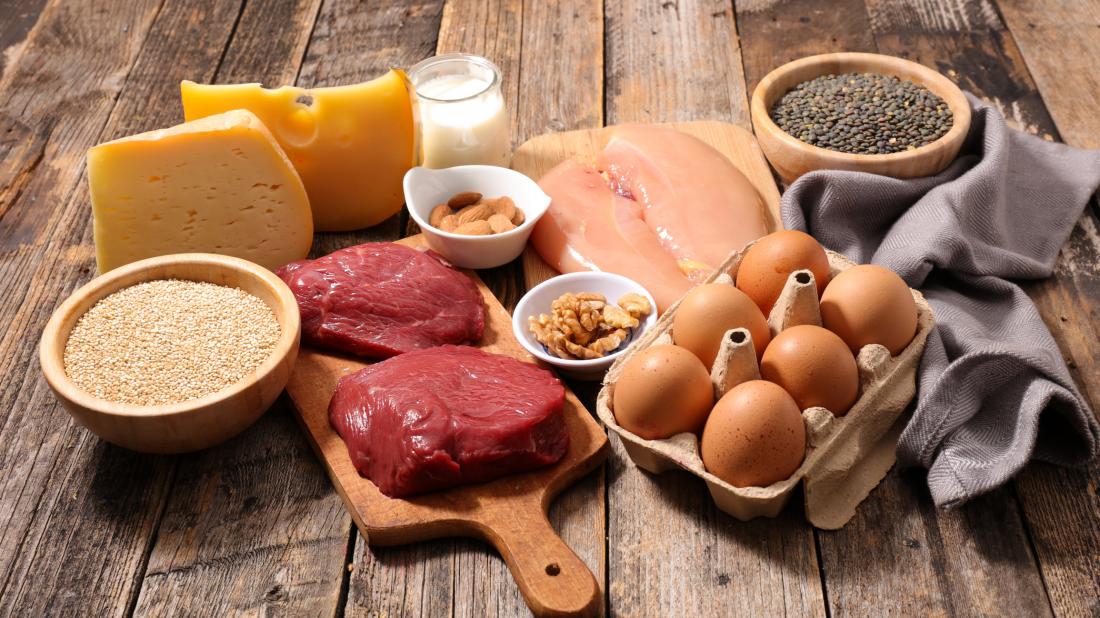
Organic Meat and Dairy: The Healthier Choice
When it comes to maintaining a healthy diet, many people focus on incorporating organic fruits and vegetables into their meals. However, the importance of consuming organic meat and dairy products should not be overlooked. While they may come at a slightly higher price tag, the benefits they offer in terms of nutrition and overall well-being make them worth considering.
What Does “Organic” Mean?
To understand why organic meat and dairy are considered healthier choices, it is essential to grasp what the term “organic” actually means. Organic farming involves the use of natural fertilizers, such as compost or manure, instead of synthetic chemicals. It also prohibits the use of genetically modified organisms (GMOs), pesticides, hormones, antibiotics, or any other artificial substances.
Higher Nutritional Value
One significant advantage that organic meat and dairy hold over their conventional counterparts is their superior nutritional value. Studies have shown that organically raised animals have higher levels of certain nutrients compared to conventionally raised ones.
For instance, research published in the British Journal of Nutrition found that organic milk contains significantly higher levels of omega-3 fatty acids compared to non-organic milk. Omega-3 fatty acids are essential for brain health and can help reduce inflammation in the body.
Similarly, another study conducted by scientists from Newcastle University discovered that organically farmed meat has up to 50% more beneficial omega-3 fatty acids than conventionally produced meat. These omega-3 fats play a crucial role in cardiovascular health by reducing blood pressure and lowering cholesterol levels.
Reduced Exposure to Hormones and Antibiotics
Conventionally raised livestock often receive growth hormones and antibiotics to promote faster growth and prevent disease outbreaks due to crowded living conditions. However, these practices can have negative implications for human health when consumed through meat or dairy products.
Consuming hormone-treated animal products may disrupt our own hormonal balance and potentially lead to various health issues, including reproductive problems and certain types of cancer. Additionally, the overuse of antibiotics in conventional farming practices contributes to the rise of antibiotic-resistant bacteria, posing a threat to public health.
By choosing organic meat and dairy products, you minimize your exposure to such hormones and antibiotics. Organic livestock is raised without routine administration of growth hormones, which means you can enjoy meat and dairy that is free from artificial additives.
Improved Animal Welfare
One important aspect often overlooked when discussing organic meat and dairy is animal welfare. Organic farming standards prioritize the well-being of animals by providing them with access to outdoor spaces for grazing or roaming freely. The animals are not subjected to confined spaces or overcrowded conditions typical in conventional factory farms.
Organic certification ensures that animals are treated ethically throughout their lives, with particular attention given to their comfort, diet, and living conditions. By supporting organically raised livestock through your purchasing choices, you contribute to creating a more compassionate world for animals.
Environmental Impact
Opting for organic meat and dairy also has positive implications for our environment. Organic farming methods focus on sustainable practices that promote soil health, preserve biodiversity, conserve water resources, and reduce pollution.
Unlike conventional agriculture systems that heavily rely on synthetic fertilizers and pesticides harmful to ecosystems both on land and in water bodies like rivers or lakes – organic farming employs natural alternatives that minimize negative environmental impacts. This approach helps protect wildlife habitats while ensuring long-term sustainability for future generations.
Making the Switch
While it’s clear that there are numerous benefits associated with consuming organic meat and dairy products compared to conventionally produced ones, it’s essential to acknowledge that everyone’s circumstances are different. Cost considerations may play a significant role in decision-making processes since organic options tend to be pricier due to higher production costs involved.
However, making small changes can still make a difference. If switching entirely seems challenging at first due to budget constraints or availability issues in your area, consider gradually incorporating organic meat and dairy into your diet. Start by choosing a few key items, such as organic milk or eggs, and gradually expand from there.
Additionally, consider exploring local farmers’ markets or joining community-supported agriculture (CSA) programs in your area to access more affordable organic options directly from the source.
Final Thoughts
When it comes to healthy eating, we often focus on fruits, vegetables, and whole grains while neglecting the significance of consuming organic meat and dairy products. By opting for organically produced meat and dairy, you not only enhance your nutritional intake but also support animal welfare efforts and contribute to a more sustainable future.
While cost considerations may present challenges for some individuals, making conscious decisions about what goes onto our plates can have a positive impact on our health as well as the environment. So next time you’re making choices at the grocery store or selecting items for your meal plan, consider investing in the long-term benefits that come with choosing organic meat and dairy products.

Leave a Reply