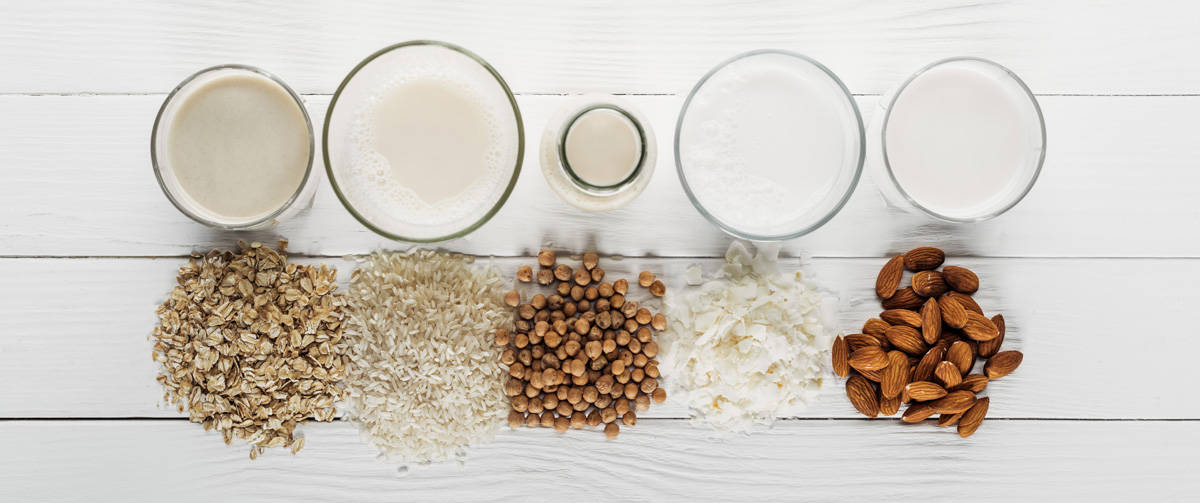
Plant-based Alternatives to Dairy Products
In recent years, the popularity of plant-based diets has been on the rise. People are becoming more conscious about their health and environmental impact, leading them to explore alternatives to traditional dairy products. Fortunately, there is a wide range of plant-based options available that not only mimic the taste and texture of dairy but also offer numerous health benefits. In this article, we will explore some popular plant-based alternatives to dairy products.
1. Soy Milk: Soy milk has long been a staple in the world of plant-based milk alternatives. Made from soybeans, it is rich in protein and often fortified with essential nutrients like calcium and vitamin D. It has a creamy texture that works well in beverages, cereals, and cooking applications.
2. Almond Milk: Derived from almonds, almond milk is another widely consumed dairy alternative. It offers a mild nutty flavor and a slightly thinner consistency compared to cow’s milk. Almond milk is low in calories and contains no saturated fats or cholesterol.
3. Oat Milk: Oat milk has gained significant popularity for its creamy texture and versatility in various recipes. Made by blending oats with water, it has a subtle sweetness that complements coffee, smoothies, or baked goods perfectly.
4. Coconut Milk: Coconut milk is made by extracting the liquid from grated coconut meat mixed with water. It adds richness to dishes due to its high-fat content but can be diluted for use as an everyday beverage or poured over cereal.
5. Cashew Milk: Although less common than other alternatives, cashew milk deserves attention for its velvety texture and creamy taste similar to whole dairy milk when used in drinks or recipes such as sauces or puddings.
6. Rice Milk: Rice milk is made by pressing boiled rice through milling machines until smooth consistency occurs; however many commercial brands enrich it with vitamins A,B12,D,E,Calcium,Iron,Zinc, and Omega 3. It is naturally sweet and suits those with allergies or intolerances as it is free from lactose, gluten, and soy.
7. Hemp Milk: Made from hemp seeds, this milk alternative offers a unique nutty flavor profile. Hemp milk contains essential fatty acids, including omega-3 and omega-6, which are beneficial for heart health.
8. Pea Milk: Pea milk has recently emerged as a popular option due to its high protein content. Made from yellow split peas, it provides a creamy texture that works well in coffee or baking recipes.
When choosing plant-based alternatives to dairy products, it’s essential to consider their nutritional value. Many brands fortify their products with vitamins and minerals like calcium and vitamin D to ensure they offer a comparable nutritional profile to cow’s milk. However, some options may be lower in certain nutrients naturally found in dairy such as protein or vitamin B12; therefore considering the overall balance of your diet is important.
In conclusion, plant-based alternatives provide an array of choices for individuals seeking dairy-free options without compromising taste or nutrition. Whether you prefer soy milk’s versatility or the creaminess of oat milk, there is something for everyone on the market today. By exploring these alternatives and incorporating them into your diet sensibly, you can enjoy delicious plant-based substitutes while reaping the many benefits they offer both for your health and the environment

Leave a Reply