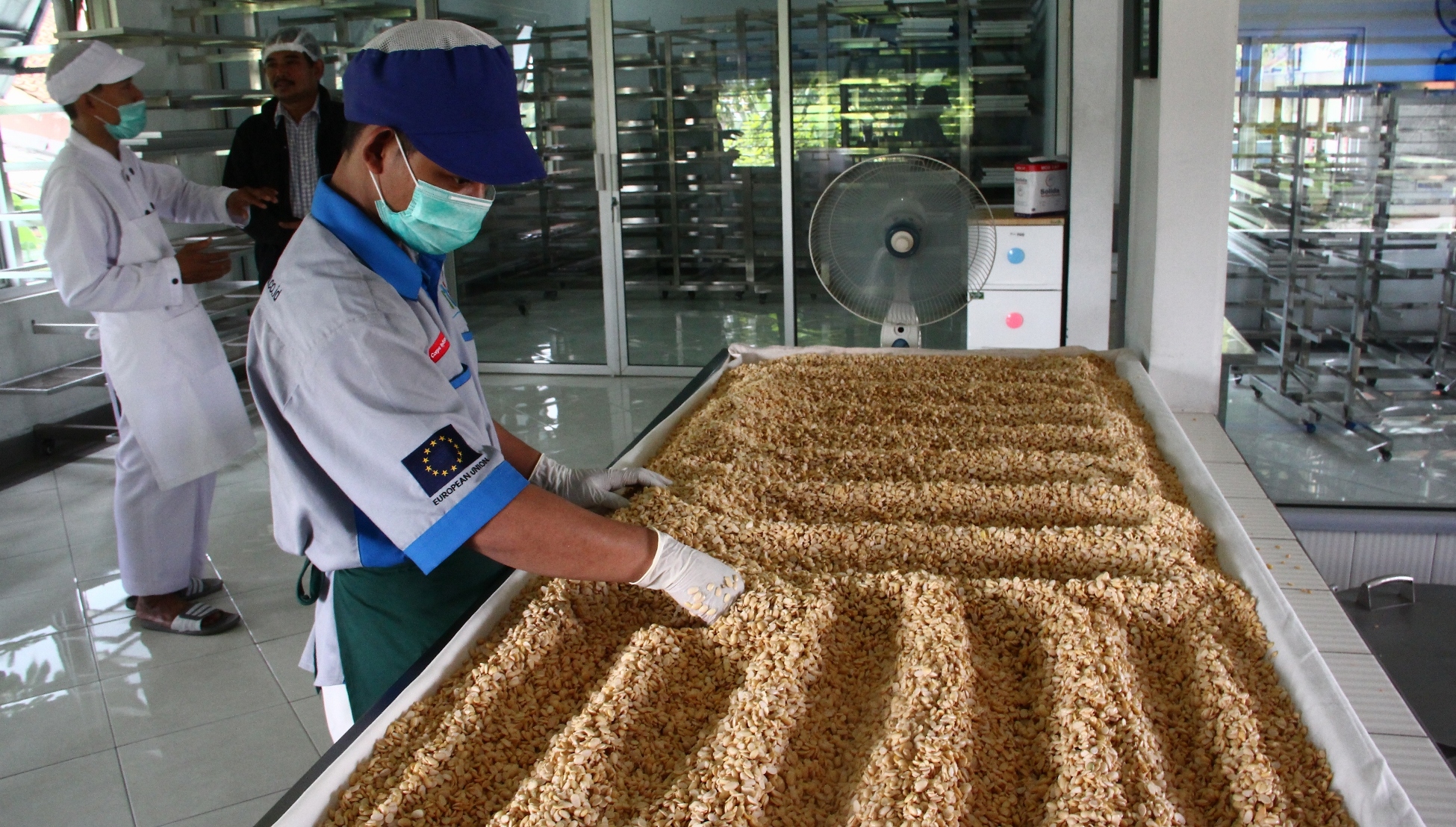
Tempeh Production in the United States: A Comprehensive Guide
Introduction:
In recent years, tempeh has gained popularity as a versatile and nutritious plant-based protein source. Originating from Indonesia, this fermented soybean product has made its way to the United States, where it has become a staple for many vegetarians and vegans. But how is tempeh produced? In this comprehensive guide, we will delve into the process of tempeh production in the United States.
What is Tempeh?
Tempeh is created by fermenting cooked soybeans with a specific type of mold called Rhizopus oligosporus or Rhizopus oryzae. This process results in a firm cake-like product with a nutty flavor. While soybeans are commonly used in traditional tempeh production, other legumes like chickpeas or black-eyed peas can also be used.
Step 1: Soaking and Cooking Soybeans
The first step in tempeh production involves soaking whole soybeans overnight to soften them and prepare them for cooking. Once soaked, they are drained and cooked until tender. This cooking process helps improve digestibility while enhancing the overall flavor of the final product.
Step 2: Cooling and Acidifying
After cooking, the soybeans are cooled down to room temperature before acidification begins. The acidification process involves adding an acidic agent like vinegar or lemon juice to lower the pH level of the beans’ surface. This creates an environment conducive to growing beneficial molds during fermentation while inhibiting harmful bacteria growth.
Step 3: Inoculation
Once acidified, starter culture containing spores of Rhizopus oligosporus or Rhizopus oryzae is added to inoculate the beans evenly throughout their mass. These spores will grow into mycelium—a network of fine white filaments that bind together all individual beans—during fermentation.
Step 4: Fermentation
The inoculated soybeans are placed in a controlled environment with optimal temperature and humidity, typically between 85°F-90°F (29°C-32°C) with a relative humidity of around 90%. This allows the spores to grow and develop into mycelium, forming a solid cake-like structure. The fermentation process usually takes around 24 to 48 hours.
Step 5: Packaging and Storage
Once fermented, the tempeh is carefully removed from its incubation container. It can be sold either fresh or pasteurized for extended shelf life. Fresh tempeh should ideally be consumed within a few days, while pasteurized tempeh has a longer shelf life of several weeks when refrigerated.
Commercial Tempeh Production:
In commercial production, large-scale operations use sophisticated equipment to ensure consistency and efficiency. Automated processes handle soaking, cooking, cooling, acidification, inoculation, fermentation, packaging, and storage under strict quality control measures.
Benefits of Tempeh:
Tempeh offers numerous health benefits that contribute to its growing popularity in the United States. Here are some key advantages:
1. High Nutritional Value:
Tempeh is packed with essential nutrients such as protein (providing all nine essential amino acids), dietary fiber, vitamins B6 and B3 (niacin), minerals like iron and calcium.
2. Improved Digestibility:
Fermentation breaks down complex carbohydrates present in soybeans into simpler forms which make them easier to digest compared to unfermented soy products.
3. Probiotic Properties:
During fermentation, beneficial bacteria develop alongside Rhizopus mold cultures in tempeh. These probiotics promote gut health by aiding digestion and enhancing nutrient absorption.
4. Lowered Antinutrient Content:
Phytic acid found in raw legumes can hinder mineral absorption in our bodies. The fermentation process significantly reduces phytic acid levels in tempeh, making the minerals it contains more bioavailable.
5. Versatility:
Tempeh’s firm texture and nutty flavor make it a versatile ingredient that can be used in various savory dishes. It can be marinated, grilled, stir-fried, crumbled for tacos or burgers, or sliced for sandwiches.
Conclusion:
As the demand for plant-based protein sources continues to rise, tempeh has become a popular choice among health-conscious individuals. Understanding the process of tempeh production in the United States sheds light on its nutritional value and benefits. Whether you choose to buy commercially produced tempeh or try your hand at making it yourself, incorporating this fermented soybean product into your diet can contribute to a healthier lifestyle. So why not give tempeh a try and explore its delicious possibilities?

Leave a Reply